Acceptance and Commitment (ACT) Therapists in Kitchener, ON
First Step Men's Therapy
Registered Psychotherapist
Disconnected. Isolated. Angry. Stuck. Many men we work with feel this way. You may be struggling with anxiety, depression, anger, shame, trauma, addiction, or relationship difficulties while trying to hold everything together alone. At First Step Men’s Therapy, we help men better understand themselves, build healthier coping strategies, and reconnect with the life they want to live.

Maytal Oziel
Registered Psychotherapist (Qualifying)
Maytal Oziel is a Registered Psychotherapist (Qualifying) based in Ontario, Canada. Before transitioning to psychotherapy, she spent 20+ years working as a certified teacher, where she developed a deep appreciation for the ways we grow, learn, and navigate challenges throughout our lives.

Johanna Benoit
Registered Psychotherapist
NIHB provider, specializing in CPTSD and trauma, perinatal grief and loss, PTSD, anxiety, depression and borderline personality disorder.

Sydney Tricand
Registered Psychotherapist
Are you navigating the tender seasons of family building, pregnancy, postpartum, or early parenthood? You might feel overwhelmed, unlike yourself, or wonder if you’re experiencing postpartum anxiety or depression. A tough birth, NICU stay, feeding issues, or grief may have shaken your sense of self, body, or relationships. Are you hoping to feel more seen and understood in this vulnerable time?
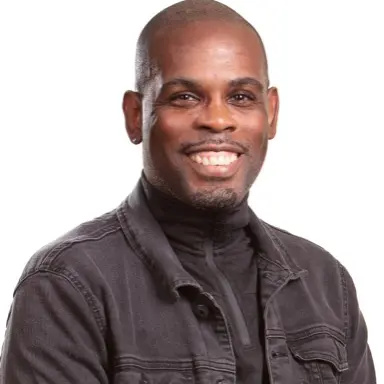
DeRoux Jones
Registered Psychotherapist
I’m DeRoux Jones, a Registered Psychotherapist in Ontario with a Master of Counselling Psychology specializing in Marriage & Family Therapy. I serve individuals, couples, and families, helping with anxiety, depression, grief, relationships, and Christian counselling. My approach is collaborative, evidence-based, and client-centered, creating a safe space for growth and healing.

Teodora Kostadinovska
Registered Psychotherapist (Qualifying)
I am dedicated to supporting youth, adults, and couples who may be feeling stuck, overwhelmed, or uncertain about their next steps in life. Reaching out for support can be a vulnerable and courageous decision, and my goal is to create a space where you feel safe, heard, and understood. Therapy is a journey, and I am here to offer a steady hand as you move toward growth and greater well-being.

Greg Clarke
Mental Health/Addiction Counsellor - RSSW, Psychotherapist , CCAC MATS CPGC
Hello, I’m Greg Clarke. I have spent the last 40 years working in the mental health and addiction field. Throughout my career, I have focused on providing compassionate support to individuals facing a variety of challenges, including addiction, problem gambling, chronic conditions, grief and bereavement, life changes and ageing, as well as anxiety and depression.

Sophie Cohen
Registered Psychotherapist (Qualifying)
Trauma-informed therapy available virtually

Margot Hovey
Counselling Therapy
About me I’m embracing Eldership in my counselling practice: individuals, dyads, and families through transitions and challenges. During our conversation your life story, influences, and challenges emerge. We’ll collaborate on how to best shape the life you want to lead. Integral counselling weaves mind, body, and spirit into healing. I bring a deep appreciation of wholeness to our work.

Ivana Stanic
Registered Social Worker
I'm Ivana Stanic, MSW, RSW, offering individual and couples therapy for anxiety, trauma, ADHD, and relationship patterns including communication, trust, emotional connection, and life transitions. My approach draws on Gottman Method, EFT, CBT, and EMDR, built on six years of experience in the mental health field. I see clients virtually across Ontario and in person in Hamilton.

Emma Laughlan
Registered Psychotherapist (Qualifying)
I work with children (10+), teens, and adults who feel anxious, overwhelmed, or exhausted by the pressure to get everything “right.” You may be stuck in overthinking, people‑pleasing, panic symptoms, health anxiety, or relationship patterns that leave you doubting yourself. On the outside, you might appear high‑achieving and capable. Inside, you feel tense, self‑critical, or never quite enough.

Chantelle Vaz
Registered Psychotherapist
I offer a warm and collaborative space where you can explore your experiences with curiosity and care. My approach is rooted in empathy and authenticity, supporting you in understanding your story, building self-compassion, and creating meaningful change. I draw from narrative, attachment, and emotion-focused therapies to meet your unique needs.

Jordanne Mulkewich
Registered Psychotherapist
I help adults and teens navigate anxiety, OCD, phobias (including emetophobia), perfectionism, and overthinking. My approach is evidence-based but never one-size-fits-all. We’ll work collaboratively to understand what’s keeping you stuck and build the confidence to move toward the life you want—at a pace that feels manageable.

Elliott McLarnon
Registered Psychotherapist
My name is Elliott, a Registered Psychotherapist in Toronto, Ontario. I practice from the Humanistic perspective, which emphasizes that (believe it or not) clients know what is best for themselves – not the therapist. With curiosity, an open-mind, and a non-judgmental stance, my hope is to help you reconnect with the most authentic parts of yourself.

Katharine De Santos
Registered Psychotherapist
Healthy Minds Psychotherapy was founded in 2018 with the mission of providing psychotherapeutic care to individuals from diverse backgrounds, fostering resilience in each person and our community as a whole.

Manisha Grewal
Registered Psychotherapist (Qualifying)
I offer a compassionate space to address both immediate struggles and deeper patterns. Together, we’ll build tools to manage symptoms in the present while exploring past experiences, identity, and meaning. My approach blends existential therapy, parts work (IFS), and ACT, and is inclusive, culturally sensitive, and LGBTQIA+/BIPOC affirming.

Denise Smith
Registered Social Worker, BSW, MSW, RSW
Are you feeling overwhelmed and anxious with balancing work, relationships and/or parenting? Maybe you’re feeling unmotivated, disconnected from yourself and your loved ones and find your mood up and down. You might be struggling with a big life decision or change. It can be difficult to know how to move forward. I’ve been there and I understand how stressful it can be.

Ukasha Malik
Registered Psychotherapist
Ukasha Psychotherapy is a private therapy practice focused on trauma-informed care, self-awareness, and empowerment. It offers a safe, supportive space for clients to work through challenges like anxiety, depression, and relationship issues. The practice emphasizes accessible mental health education, coping tools, and personal growth.

Mackenzie Fournier
Registered Psychotherapist
Hi, I’m Mackenzie! I’m a Psychotherapist who loves keeping therapy real, down-to-earth, and practical. I help people untangle patterns around anxiety, food, and self-trust using tools grounded in science. In sessions, I bring my authentic self—you can expect a mix of support, guidance, and maybe a little humour when it feels right—so we can tackle challenges together without the extra pressure.

Megan Gauthier
Registered Social Worker, Psychotherapist
*Accepting new client in-person in Guelph and virtually across Ontario* Therapy for people who struggle with self-doubt, overthinking, and repeating painful relationship patterns.
How do therapists in Kitchener, ON compare?
Number of therapists listed
Average years in practice
Currently accepting new clients
Therapists in Kitchener, ON who prioritize treating:
How therapists see their clients
Top therapy approaches used in Kitchener, ON:
Frequently Asked Questions About Acceptance and Commitment (ACT)
What is Acceptance and Commitment Therapy (ACT)?
ACT (pronounced as the word "act") is a modern, evidence-based form of CBT that focuses on psychological flexibility — the ability to be present with difficult thoughts and feelings without letting them dictate your behaviour, and to take action aligned with your values even in the presence of discomfort. Rather than trying to eliminate negative thoughts or feelings, ACT teaches you to change your relationship with them so they have less control over your life.
How is ACT different from traditional CBT?
Traditional CBT aims to identify and change unhelpful thoughts — replacing distorted thinking with more balanced thinking. ACT takes a different approach: rather than changing the content of your thoughts, it changes your relationship to them through defusion (learning to observe thoughts rather than being fused with them) and acceptance (making room for difficult feelings rather than fighting them). ACT also places significant emphasis on values clarification and committed action toward what matters most to you.
What conditions does ACT treat?
ACT has a strong evidence base across a wide range of conditions including anxiety, depression, OCD, chronic pain, substance use, eating disorders, PTSD, and workplace stress. It is particularly well-suited for people who have already tried to "think their way out" of mental health struggles without lasting success, and for chronic conditions where eliminating distress is not possible but improving quality of life is. ACT is also widely used for general personal growth and resilience building.
What does an ACT session involve?
ACT sessions use a combination of experiential exercises, metaphors, mindfulness practices, and values exploration. Common exercises include defusion techniques (creating distance from unhelpful thoughts, such as noticing "I'm having the thought that..."), acceptance practices (making room for difficult feelings without struggling against them), and values clarification (identifying what matters most and what you want your life to stand for). ACT is experiential rather than lecture-based — the work happens through doing, not just discussing.
How many ACT sessions are typically needed?
ACT is often delivered over 8–16 sessions for specific conditions, though it can be shorter or longer depending on the complexity of the presentation. Many people find ACT principles continue to deepen and benefit them long after formal therapy ends because the approach provides a general framework for living — not just a set of techniques for a specific problem. Between-session practice of ACT skills in daily life is an important part of the process.
