Domestic Violence Therapists in Calgary, AB

Verified by Theralist
Verified and in good standing. Last verified Nov 12, 2026
Verification confirms registration only, not fit or quality of care.
How verification worksRegistered Clinical Counsellor, Registered Social Worker, Psychotherapist, MACP, RSW, RCC, CCC
Denise Mansell is a registered clinical counsellor and therapist in Medicine Hat, Alberta, for complex grief, hospice loss, first responders and trauma.

Verified by Theralist
Verified and in good standing. Last verified Nov 17, 2026
Verification confirms registration only, not fit or quality of care.
How verification worksRegistered Social Worker
Nicole Rambadhan is a registered social worker and therapist in Alberta who works online with anxiety, depression, addiction and trauma, including CBT.

Verified by Theralist
Verified and in good standing. Last verified Nov 16, 2026
Verification confirms registration only, not fit or quality of care.
How verification worksRegistered Social Worker
Mackenzie Broomfield is a registered social worker and therapist in Calgary, Alberta, with grief counselling and relationship therapy for adults and elders.

Verified by Theralist
Verified and in good standing. Last verified Nov 17, 2026
Verification confirms registration only, not fit or quality of care.
How verification worksCounselling Therapist
Krista Hermanson is a counselling therapist in Calgary, Alberta, licensed by ACTA, working with adults on anxiety, codependency and domestic violence.

Verified by Theralist
Verified and in good standing. Last verified Nov 7, 2026
Verification confirms registration only, not fit or quality of care.
How verification worksRegistered Social Worker, Clinical MSW, ADHD-CCSP
Kyle Sobey is a registered social worker and therapist in Edmonton, Alberta, working with teens and adults on ADHD, trauma and PTSD using EMDR and CBT.

Verified by Theralist
Verified and in good standing. Last verified Nov 7, 2026
Verification confirms registration only, not fit or quality of care.
How verification worksRegistered Provisional Psychologist
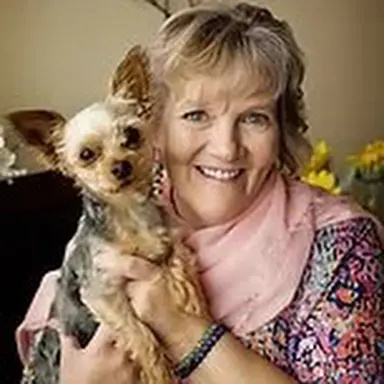
Elizaveta Eldysheva is a registered provisional psychologist and therapist in Calgary, Alberta, supporting teens and adults with anxiety and depression.
Verified by Theralist
Verified and in good standing. Last verified Nov 16, 2026
Verification confirms registration only, not fit or quality of care.
How verification worksRegistered Psychologist
Susan Grinder is a registered psychologist and therapist in Edmonton, Alberta, supporting adults and teens with anxiety, depression and grief.
Calgary Therapists at a Glance
Number of therapists listed
Average years in practice
Currently accepting new clients
Therapists in Calgary who prioritize treating:
How therapists see their clients
Top therapy approaches used in Calgary:
Frequently Asked Questions About Domestic Violence
What is domestic violence?
Domestic violence is a pattern of behaviour in an intimate relationship where one person seeks to maintain power and control over the other through physical violence, threats, sexual coercion, emotional abuse, isolation, or financial control. It affects people of all genders, sexualities, ages, and socioeconomic backgrounds, though women are disproportionately affected by severe and repeated violence. Domestic violence often follows a cycle — tension building, incident, reconciliation, calm — that can make it difficult for those experiencing it to leave or seek help.
How does therapy help survivors of domestic violence?
Therapy helps survivors process complex trauma — the neurological, emotional, and relational damage that results from sustained abuse. It supports survivors in rebuilding a sense of safety, self-trust, and self-worth that has often been systematically eroded. Therapy also addresses the complicated grief and ambivalence that many survivors feel about the relationship and their abuser, and helps people understand why leaving is difficult and what they need to move forward safely.
What is the cycle of violence and why do people stay?
People stay in abusive relationships for many reasons that are rarely about weakness: fear (leaving is statistically the most dangerous time), economic dependence, isolation from support networks, love for the abuser, children, hope that the person will change, and the intermittent reinforcement of the honeymoon phase. Trauma bonding — a strong emotional attachment formed under conditions of abuse — is a real psychological phenomenon. Effective therapy understands these dynamics and never blames the survivor for staying.
What evidence-based approaches help trauma from domestic violence?
Trauma-focused CBT and EMDR have strong evidence for treating PTSD resulting from intimate partner violence. Somatic approaches help survivors reconnect with their bodies in safe ways. Empowerment-based models that prioritize the survivor's autonomy, safety, and own goals are essential — approaches that are overly directive or ignore safety risks can cause harm. Therapy for domestic violence trauma often needs to be longer-term than standard trauma treatment due to the relational and complex nature of the harm.
What crisis resources are available for domestic violence in Canada?
If you are in immediate danger, call 911. The Assaulted Women's Helpline (1-866-863-0511) is available 24/7 nationwide. Local women's shelters and victim services provide crisis support, safety planning, emergency housing, legal advocacy, and referrals to counselling. The ShelterSafe website lists shelters across Canada. Many communities also offer culturally specific services for Indigenous women, newcomer women, and 2SLGBTQI+ survivors. Seeking help — even before you are ready to leave — is always a valid step.
Related Articles

How to Find a Therapist in Calgary: Your Complete 2026 Guide
Everything you need to know to find a qualified therapist in Calgary — from understanding credentials and costs to narrowing down the right specialty and fit for your situation.
Theralist Staff · Apr 10, 2026 · 9 min read

Mental Health Support for New Calgarians: 15 Essential Resources You Need to Know
Find free and affordable mental health resources for newcomers in Calgary. Access therapy in 70+ languages, crisis support 24/7, and culturally sensitive counselling. Complete guide to Calgary therapists who understand immigrant experiences.
Theralist Staff · Oct 26, 2025 · 19 min read

Cost of Therapy in Calgary: What to Expect in 2025
Learn the cost of therapy in Calgary in 2025. Find affordable options, sliding scale rates, and covered services with Theralist's local therapist directory.
Theralist Staff · Jul 30, 2025 · 3 min read