Interpersonal Therapists in Burnaby, BC
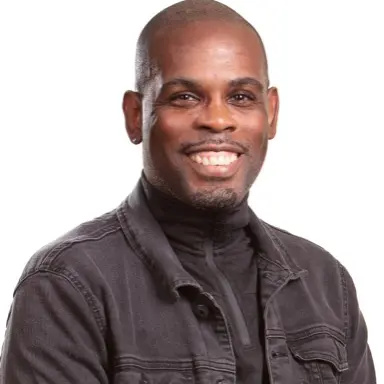
Registered Psychotherapist
I’m DeRoux Jones, a Registered Psychotherapist in Ontario with a Master of Counselling Psychology specializing in Marriage & Family Therapy. I serve individuals, couples, and families, helping with anxiety, depression, grief, relationships, and Christian counselling. My approach is collaborative, evidence-based, and client-centered, creating a safe space for growth and healing.

Registered, Clinical Counsellor, Registered Social Worker, Psychotherapist
Feeling stuck, numb or overwhelmed by the world right now? Are you facing issues like anxiety, depression, and relationship problems? I offer professional, in-person Clinical Counselling, Grief Therapy & Registered Social Work services. Contact me to arrange a brief, complimentary consultation. If you are ready to get started, I have both in-person and remote session openings available.

Registered Psychotherapist (Qualifying)
I help couples and individuals find growth, healing, and stronger connections. Using evidence-based and individualized approaches, I support those struggling with women's health concerns (e.g., pregnancy, postpartum, perimenopause, menopause), relationship concerns (e.g., resentment, infidelity), and life transitions (e.g., separation/divorce, parenting). I offer a free 15-minute consultation!
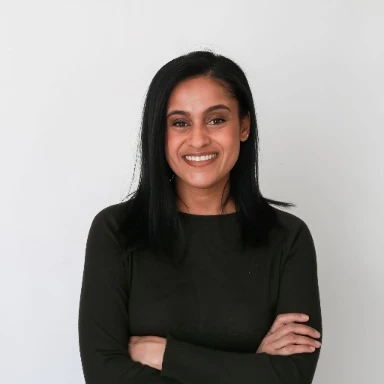
Registered Psychotherapist (Qualifying)
Are you feeling anxious, overwhelmed or stuck? Maybe something feels wrong? I help people navigate anxiety, depression, ADHD, trauma, and relationship struggles, with culturally sensitive care that honours your full background, including pressures others may miss. As a South Asian therapist who spent 15 years in the corporate world, I bring lived experience and real-world context to therapy.
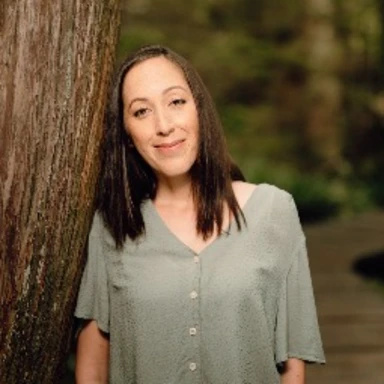
Counsellor, MA, MCP, RCC
I work with folks who long to break free from patterns that perhaps were once helpful but are now worn out or destructive, who wish to reclaim lost or forgotten parts of themselves, their ancestral lineages, and their communities; who are seeking autonomy, sovereignty, and a sense of purpose in a world that needs us to show up and participate in our own unique ways more than ever.

Registered Psychotherapist
Li offers relational psychoanalytic and trauma-informed somatic/EMDR/IFS/EFT therapy, to support individual, couples and families in communities such as immigrants, LGBTQ+, neurodivergent (ADHD), and professionals, whose experiences resonate with her own life journey the most. She holds a compassionate, culturally attuned space where clients can express freely and rediscover their authentic self.

Registered Psychotherapist
I am a BIPOC trauma therapist, and I work with a wide range of concerns including depression, anxiety, trauma, emotional dysregulation, self-esteem, life transitions, racial/cultural issues, new parenthood, identity, family and interpersonal relationships. I work eclectically, borrowing from several modalities to meet my client's needs.

Registered Social Worker, Mental Health Therapist, Clinical Educator
Registered Social Worker specializing in counselling for bipolar disorder, psychosis, depression and anxiety. I have 20 years of experience in mental health, specifically working for Provincial Health Authorities in Canada and for NHS in the UK, including 16+ years specializing in bipolar disorder and psychosis. Virtual counselling for adults, youth and families across BC, Alberta and Ontario.

Registered Art Therapist, Productivity Coach
I help women navigating change, chosen or unexpected, reclaim their time, rediscover purpose, and bring some joy into the process. Using my Time Core Strategy System and tools like my Time Recovery Assessment, we’ll build a customized program to help you move forward with confidence and intention. It's time to dust those goals off and make time your ally.”

Counselling Therapist, RTC • OCD & Anxiety
OCD can make life feel smaller—therapy should help you reclaim it. I use CBT and Exposure and Response Prevention (ERP) to help young adults and adults change patterns that keep them stuck. I also support anxiety, depression, ADHD, career transitions, and performance concerns through warm, focused, evidence-based therapy built for real-life change.
Burnaby, BC Therapists at a Glance
Number of therapists listed
Average years in practice
Currently accepting new clients
Therapists in Burnaby, BC who prioritize treating:
How therapists see their clients
Top therapy approaches used in Burnaby, BC:
Frequently Asked Questions About Interpersonal
What is Interpersonal Therapy (IPT)?
Interpersonal Therapy (IPT) is a structured, time-limited psychotherapy developed by Gerald Klerman and Myrna Weissman in the 1970s, originally for depression. It is based on the observation that psychological symptoms occur in an interpersonal context — and that improving the quality of a person's relationships and social functioning produces improvement in symptoms. IPT focuses on four specific interpersonal problem areas: grief and loss, role transitions (life changes), role disputes (conflicts in key relationships), and interpersonal deficits (social isolation or difficulty forming relationships).
What conditions does IPT treat?
IPT has strong evidence for major depression (comparable to CBT and antidepressants), postpartum depression, bipolar disorder (as maintenance therapy), bulimia nervosa, and social anxiety. It has been adapted for adolescents (IPT-A), the elderly, people with HIV/AIDS, and diverse cultural populations. IPT is recommended as a first-line treatment for depression by major clinical guidelines including those of the American Psychological Association and National Institute for Health and Care Excellence (NICE).
What does IPT involve?
Standard IPT is delivered over 12–16 sessions in three phases. The initial phase (sessions 1–3) involves assessment, psychoeducation about depression, completing an "interpersonal inventory" (mapping key relationships), and identifying the primary focus area. The middle phase works on the identified interpersonal problem area using specific strategies — communication analysis, role-playing, exploring options, and improving social support. The termination phase consolidates gains and prepares for managing future difficulties.
How is IPT different from other depression treatments?
CBT focuses on the relationship between thoughts, feelings, and behaviour. Psychodynamic therapy explores unconscious patterns and past relationships. IPT has a narrower, specific focus on current interpersonal functioning and its connection to mood. IPT does not explore early childhood experiences in depth or seek to change cognitive patterns — its focus is on improving current relationships and functioning in real-world social contexts. This makes it particularly practical and accessible for people who want concrete help with their current relationship situation.
Who is IPT best suited for?
IPT is particularly well-suited for people whose depression or other symptoms are clearly linked to a specific interpersonal event or challenge — a bereavement, a major role transition (new parent, retirement, job loss), a significant conflict in a key relationship, or social isolation. It is a good fit for people who prefer a practical, focused approach and are comfortable talking about their relationships directly. It may be less suited to people with complex trauma histories, personality difficulties, or those who want open-ended exploration of their inner life.