Trauma Focused Therapists in Burnaby, BC

Verified by Theralist
Verified and in good standing. Last verified Nov 6, 2026
Verification confirms registration only, not fit or quality of care.
How verification worksRegistered Psychotherapist (Qualifying), ADHD-CCSP, MS, HBA, BA
Eleni Anagnosti, a registered psychotherapist (qualifying) and therapist in Ontario, works online with adults on ADHD, anxiety and trauma.

Verified by Theralist
Verified and in good standing. Last verified Nov 12, 2026
Verification confirms registration only, not fit or quality of care.
How verification worksMaster Practitioner in Clinical Counselling- Provisional (MPCC-p), LPC
Alicia Buck is an MPCC-p and LPC therapist in British Columbia who works online with adults on anxiety, depression and grief, and offers a sliding scale.

Verified by Theralist
Verified and in good standing. Last verified Nov 11, 2026
Verification confirms registration only, not fit or quality of care.
How verification worksRegistered Psychotherapist (Qualifying), MACP, ADHD-SP, EMDR, HBSc (she, her)
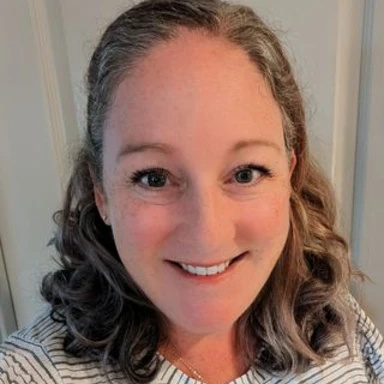
Maya Awad is a registered psychotherapist (qualifying) and therapist in Ontario who works online with teens, adults and couples on ADHD and anxiety.
Verified by Theralist
Verified and in good standing. Last verified Nov 12, 2026
Verification confirms registration only, not fit or quality of care.
How verification worksPsychiatric Nurse Practitioner, NP-PHC, ADHD-SP, MScN
Heather Wesselo is a psychiatric nurse practitioner and therapist in Alberta offering online ADHD and autism support for teens and adults.

Verified by Theralist
Verified and in good standing. Last verified Nov 11, 2026
Verification confirms registration only, not fit or quality of care.
How verification worksRegistered Clinical Counsellor (RCC)
Melissa Andrews is a registered clinical counsellor (RCC) and therapist in Langley, BC, helping preteens, teens and adults with anxiety, ADHD and autism.

Verified by Theralist
Verified and in good standing. Last verified Nov 7, 2026
Verification confirms registration only, not fit or quality of care.
How verification worksMPCC-Provisional
Ashley Johnson is a provisional MPCC and therapist in Calgary, Alberta who supports caregivers and first responders with trauma, grief and codependency.

Verified by Theralist
Verified and in good standing. Last verified Nov 12, 2026
Verification confirms registration only, not fit or quality of care.
How verification worksRegistered Clinical Counsellor, Registered Social Worker, Psychotherapist, MACP, RSW, RCC, CCC
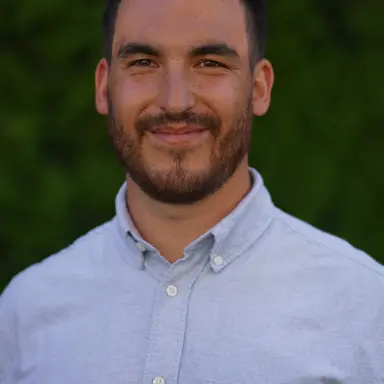
Denise Mansell is a registered clinical counsellor and therapist in Medicine Hat, Alberta, for complex grief, hospice loss, first responders and trauma.
Verified by Theralist
Verified and in good standing. Last verified Nov 6, 2026
Verification confirms registration only, not fit or quality of care.
How verification worksCanadian Certified Counsellor
Tyler Fong is a Canadian certified counsellor and therapist in Victoria, British Columbia, working with teens and adults on anxiety, depression and ADHD.

Verified by Theralist
Verified and in good standing. Last verified Nov 8, 2026
Verification confirms registration only, not fit or quality of care.
How verification worksRegistered Psychotherapist (Qualifying)
Tina Pirvali is a registered psychotherapist (qualifying) in Ontario offering online couples therapy and therapy for infidelity in English and Farsi.

Verified by Theralist
Verified and in good standing. Last verified Nov 6, 2026
Verification confirms registration only, not fit or quality of care.
How verification worksRegistered Psychotherapist (Qualifying), BA, PsiChi
Amelia Traer is a registered psychotherapist (qualifying) and therapist in Ontario who works online with ADHD, anxiety, OCD and depression using CBT and DBT.

Verified by Theralist
Verified and in good standing. Last verified Nov 5, 2026
Verification confirms registration only, not fit or quality of care.
How verification worksRegistered Psychotherapist, Recreation Therapist
Stacy Kirkbride is an Ontario registered psychotherapist and recreation therapist offering online therapy for chronic illness, chronic pain and anxiety.

Verified by Theralist
Verified and in good standing. Last verified Nov 20, 2026
Verification confirms registration only, not fit or quality of care.
How verification worksRegistered Therapeutic Counsellor (RTC) and Master Practitioner in Clinical Counselling (MPCC)
Sandra Daoust is a registered therapeutic counsellor (RTC) and therapist in North Vancouver, BC, working with men, teens and adults on anxiety and trauma.

Verified by Theralist
Verified and in good standing. Last verified Nov 11, 2026
Verification confirms registration only, not fit or quality of care.
How verification worksRegistered Psychotherapist (Qualifying), MA, BA
Hope Raine is a registered psychotherapist (qualifying) and therapist in Ontario, seeing adults online for anxiety, ADHD and postpartum concerns.

Verified by Theralist
Verified and in good standing. Last verified Nov 12, 2026
Verification confirms registration only, not fit or quality of care.
How verification worksRegistered Therapeutic Counsellor
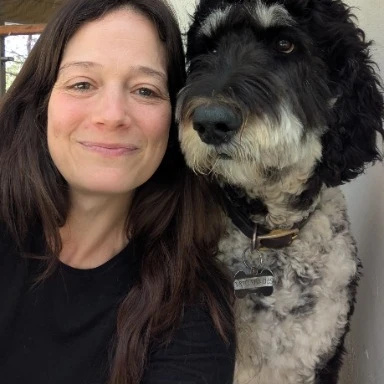
Tanya Vall is a registered therapeutic counsellor and therapist in Vancouver, British Columbia. Sessions are in person or online, with a sliding scale.
Verified by Theralist
Verified and in good standing. Last verified Nov 5, 2026
Verification confirms registration only, not fit or quality of care.
How verification worksRegistered Clinical Counsellor, Somatic Psychotherapist, EMDR, MA
Alexandra Goodall is a registered clinical counsellor and therapist in British Columbia who works with trauma, anxiety and grief, using EMDR.

Verified by Theralist
Verified and in good standing. Last verified Nov 12, 2026
Verification confirms registration only, not fit or quality of care.
How verification worksRegistered Psychotherapist (Qualifying), MACP, BA (she, her)
Emma Hartley is a registered psychotherapist (qualifying) and therapist in Ontario, seeing adults and teens online for anxiety, ADHD and stress.

Verified by Theralist
Verified and in good standing. Last verified Nov 17, 2026
Verification confirms registration only, not fit or quality of care.
How verification worksRegistered Psychotherapist (Qualifying), Canadian Certified Counsellor (CCC)
Hazel Diaz is a registered psychotherapist (qualifying) and therapist in Ontario who works online with adults and couples on anxiety and codependency.
Verified by Theralist
Verified and in good standing. Last verified Nov 11, 2026
Verification confirms registration only, not fit or quality of care.
How verification worksRegistered Clinical Counsellor, Somatic Experiencing Practitioner
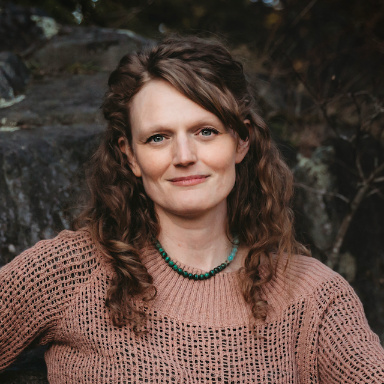
Helen Beynon is a registered clinical counsellor and therapist in Squamish, British Columbia, working with adults on trauma and anxiety.

Verified by Theralist
Verified and in good standing. Last verified Nov 6, 2026
Verification confirms registration only, not fit or quality of care.
How verification worksRegistered Psychotherapist (Qualifying), MACP, EMDR, ADHD-CCSP, BA
Erin Ibrahim is a registered psychotherapist (qualifying) and online therapist in Ontario, helping teens, adults and couples with anxiety, trauma and ADHD.

Verified by Theralist
Verified and in good standing. Last verified Nov 12, 2026
Verification confirms registration only, not fit or quality of care.
How verification worksMPCC-P, RTC-C
Zarifa Andani is an MPCC-P, RTC-C therapist in British Columbia who works online with teens, adults and couples on grief, trauma and PTSD.
Burnaby Therapists at a Glance
Number of therapists listed
Average years in practice
Currently accepting new clients
Therapists in Burnaby who prioritize treating:
How therapists see their clients
Top therapy approaches used in Burnaby:
Frequently Asked Questions About Trauma Focused
What is trauma-focused therapy?
Trauma-focused therapy refers to a family of therapeutic approaches specifically designed to address the psychological impact of traumatic experiences. Rather than only managing symptoms, these approaches help clients directly process traumatic memories, reduce their emotional intensity, and integrate them into a broader understanding of their lives. Trauma-focused therapy is indicated for PTSD, complex trauma, childhood abuse, sexual violence, accidents, grief, and many other trauma-related presentations.
How is trauma-focused therapy different from general therapy?
General therapy often addresses current functioning, coping, and emotions without directly engaging with traumatic memories. Trauma-focused therapy explicitly targets the memories, beliefs, and physiological responses connected to past trauma. It typically follows a phased approach: establishing safety and stabilization, processing traumatic material, and then integration and reconnection with life. This structure is important because jumping to trauma processing before a client has sufficient stability can be destabilizing rather than helpful.
What trauma-focused approaches are most evidence-based?
EMDR (Eye Movement Desensitization and Reprocessing), Cognitive Processing Therapy (CPT), and Prolonged Exposure (PE) therapy have the strongest research evidence for PTSD. Trauma-Focused CBT (TF-CBT) is the leading approach for children and adolescents. Somatic therapies such as Somatic Experiencing and Sensorimotor Psychotherapy, and phase-based models like EMDR-based FLASH and IFS, are also widely used for complex and developmental trauma where standard single-modality approaches may be insufficient.
How do I know if I need trauma-focused therapy rather than general therapy?
Signs that trauma-focused therapy may be particularly beneficial include: intrusive memories or flashbacks, nightmares, emotional numbness or avoidance of trauma-related reminders, hypervigilance, difficulty trusting others, significant shame, or the sense that you have tried general therapy without full resolution of symptoms. An assessment with a trauma-trained therapist can determine whether and what kind of trauma-focused work is appropriate for your presentation.
Is trauma-focused therapy safe?
When conducted by a trained therapist using an established protocol, trauma-focused therapy is safe and effective. Reputable approaches are designed to keep arousal within a manageable "window of tolerance" — avoiding both re-traumatization and emotional shutdown. Stabilization work done before processing ensures that clients have sufficient coping resources. If you feel unsafe at any point in trauma therapy, you can and should communicate this to your therapist, who will adjust the pace and approach.