Chronic Illness Therapists in Burnaby, BC

Bonnie Koehn
Registered Clinical Counsellor, Certified Canadian Counsellor
My practice is grounded in a holistic and non-pathologizing approach that is client-centered, trauma-informed, and strengths-based. I offer authentically compassionate and accepting therapy so you can feel free to be yourself. My clients attend virtual therapy from their preferred location- whether that’s the comfort of home, a walk in the park, or over lunch break at work.

Alexandra Kozikova
Registered Therapeutic Counsellor RTC
I am a client-centered, trauma-informed counsellor who uses evidence-based approaches such as CBT, alongside mindfulness and relaxation techniques. With a compassionate and practical style shaped by both my professional and life experience, I support clients in understanding challenges, building skills, and creating lasting, meaningful change.
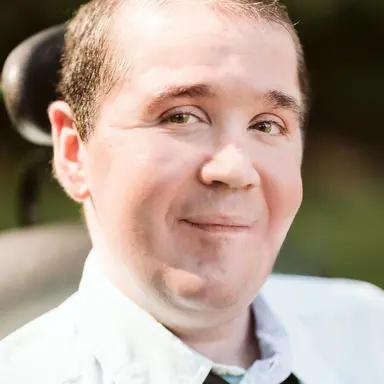
Ryan Yellowlees, MC, RCC
Registered Clinical Counsellor
I provide compassionate counselling that champions your strengths, honours your journey, and creates space where you feel truly seen and supported.

Eleni Anagnosti
Registered Psychotherapist (Qualifying), ADHD-CCSP, MS, HBA, BA
My approach is compassionate, culturally attuned, and collaborative. I draw from CBT, strengths-based, solution-focused, and trauma-informed approaches to support ADHD, anxiety, depression, burnout, grief, life transitions, and relationship patterns. Together, we focus on building practical tools, emotional balance, and a stronger sense of self-trust.

Kristy Brosz, MSW, RCSW
Registered Clinical Social Worker/Mental Health Therapist
*Chronic Illness/Rare Disease Therapist & Trauma/Grief Specialist* Kristy's practice focuses on the intersection between trauma and grief/loss. Kristy has a special interest in the areas of trauma, grief/loss, rare/chronic illness, palliative care, and adoption/foster/kinship care.
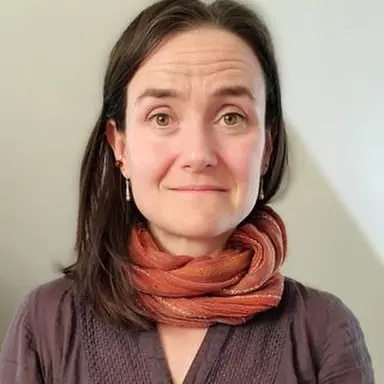
Stacy Kirkbride
Registered Psychotherapist, Recreation Therapist
I offer compassionate support for those living with chronic illness, pain, and post-injury life challenges. I specialize in helping you navigate the emotional and mental hurdles these bring. My goal is to help you reclaim your sense of self, cope with grief and loss, and rebuild your life with resilience and purpose. You're not alone--I'm here to support you every step of the way.

Jessica Kurucz
Registered Social Worker
I provide support to adults and couples. I have experience working with individuals experiencing trauma, depression, anxiety, relationship problems, gender issues, substance use, low self-esteem, stress-related issues, and chronic illness. I recognize that it takes a great deal of courage to make the decision to start counselling. I consider it a privilege to be invited into your life

Amelia Traer
Registered Psychotherapist (Qualifying), BA, PsiChi
My work is shaped by CBT, ACT, DBT, ERP, and trauma-informed, mindfulness-based approaches. I support clients with anxiety, burnout, OCD and phobias, ADHD, grief, life transitions, women's health, and chronic health concerns. Our therapy space adapts, with a focus on connection, emotional regulation, and practical strategies that fit your life.

Colombe Mazerolle
Licensed Counselling Therapist - C
Are you struggling with intense emotions that feel overwhelming, ongoing conflict or disconnection in relationships or feeling stuck in survival mode or repeating self-sabotaging patterns? I'm Colombe, therapist at Ember Counselling Therapy, and I help individuals and couples build emotional balance, heal from past pain, and create healthier relationships.
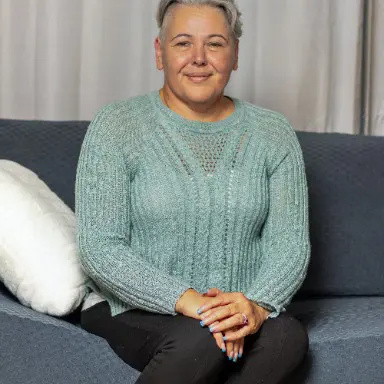
Debra (Debbie) Airth
Registered Therapeutic Counsellor
Come as you are. Let's begin from there. I support individuals and couples navigating grief, chronic illness, trauma, identity exploration, LGBTQ+ experiences, polyamory/ENM, and life transitions. My approach is warm, trauma-informed, and rooted in genuine human connection, helping you reconnect with your strengths and move forward with greater clarity and self-compassion.

Sawah Danniels
Certified Canadian Counsellor
I'm a person-centred therapist. I offer an eclectic approach, preferring to find ways to work with who you are, how you exist in the world, and what you hope to achieve. I aim to create a cozy, comfortable and safer space for you to be yourself and get curious about what is coming up for you.
How do therapists in Burnaby, BC compare?
Number of therapists listed
Average years in practice
Currently accepting new clients
Therapists in Burnaby, BC who prioritize treating:
How therapists see their clients
Top therapy approaches used in Burnaby, BC:
Frequently Asked Questions About Chronic Illness
How does chronic illness affect mental health?
Chronic illness and mental health are profoundly interconnected. Depression and anxiety affect approximately 25–30% of people living with serious chronic conditions — two to three times the rate in the general population. The physical symptoms, loss of function and role, disruption to life plans, unpredictability, and the medical system itself can all contribute to psychological distress. Conversely, untreated depression worsens pain, fatigue, and adherence to medical treatment — creating cycles that worsen both the illness and mental health.
What is adjustment disorder in the context of chronic illness?
Adjustment disorder is a clinical response to a significant life stressor — including a serious medical diagnosis — in which emotional symptoms develop in response to the stressor and significantly impair functioning. It is one of the most common mental health conditions following a new serious illness diagnosis. Therapy helps people move through the adjustment process — understanding, accepting, and adapting to a new reality — rather than remaining stuck in the acute distress of the initial impact.
What therapy approaches help with chronic illness?
CBT for chronic illness focuses on the thoughts, behaviours, and activity patterns that maintain distress and functional limitations. ACT addresses the psychological flexibility needed to live a meaningful life in the presence of ongoing illness. Mindfulness-Based Stress Reduction (MBSR) has strong evidence for improving quality of life with chronic illness and pain. Grief-informed approaches address the multiple losses that accompany chronic illness. Many therapists integrate elements of all these based on the person's specific illness and what they most need.
What is the grief of chronic illness?
People with chronic illness often grieve many losses — the self before illness, activities and roles that are no longer possible, the expected life trajectory, spontaneity and planning, and physical capacity. This grief is frequently disenfranchised — not recognized by others as "real" loss because the person is still alive. Effective therapy acknowledges and validates this grief, helps process it without being defined by it, and supports the construction of a meaningful life within the new reality.
How does therapy fit alongside medical treatment for chronic illness?
Therapy and medical treatment are complementary and mutually reinforcing. Better mental health is associated with improved medication adherence, better communication with the medical team, more effective pain management, and reduced disease burden. Therapy is not a replacement for medical care — it is a component of comprehensive care that addresses the whole person. Many chronic illness therapists are willing to collaborate with the medical team, with your consent, to ensure psychological and physical care are integrated.