Borderline Personality Disorder (BPD) Therapists in Burnaby, BC
Mohamad Shabib
Canadian Certified Counsellor
Mohamad Shabib is a trauma-informed counsellor specializing in PTSD, addiction, and complex trauma. He integrates CBT, EMDR, and evidence-based approaches with a culturally responsive lens shaped by refugee and public health experience. He supports vulnerable populations, including refugees and first responders, in healing, resilience, and recovery.
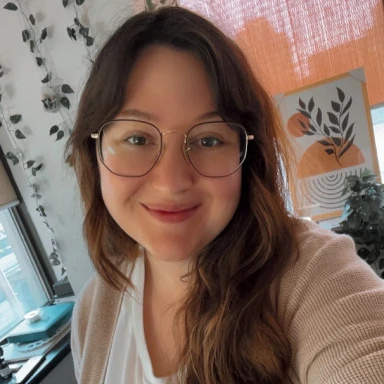
Colombe Mazerolle
Licensed Counselling Therapist - C
Are you struggling with intense emotions that feel overwhelming, ongoing conflict or disconnection in relationships or feeling stuck in survival mode or repeating self-sabotaging patterns? I'm Colombe, therapist at Ember Counselling Therapy, and I help individuals and couples build emotional balance, heal from past pain, and create healthier relationships.

Shadan Mosavat
Clinical Counsellor, M.A, CCC.
With over 9 years of clinical experience, I support adults navigating Adult ADHD, Borderline Personality Disorder (BPD), emotional dysregulation, anxiety, and relationship challenges in Vancouver & BC. As a Registered Clinical Counsellor (CCC), I provide a warm, neurodivergent-affirming space to move past chronic shame and build lasting emotional safety.

Ed Chen M.Ed, RCC-ACS, CCC
Registered Clinical Counsellor, Registered Clinical Supervisor, Canadian Certified Counsellor
Ed is a BCACC registered, CCPA certified clinical counsellor, and a BCACC Approved Clinical Supervisor. Ed has extensive experience in delivering Dialectical Behavior Therapy to high-risk adults, youths and families experiencing concerns such as suicidality, self-harm, impulsivity, depression, anxiety, trauma, and addictions.
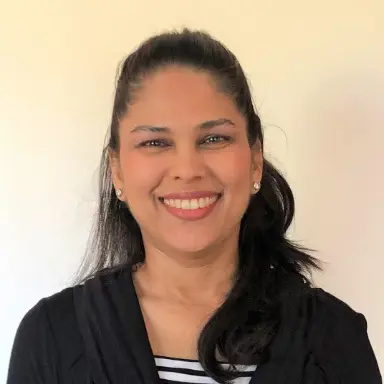
Karina Ramdath (she/her)
Registered Social Worker, Psychotherapist
Karina will honour your skills, values, and experiences to help you improve your personal mental health, overcome trauma, and/or improve relationships. Karina provides effective therapy to help you achieve your wellness goals.

Lisa Willow
Registered Social Worker
Lisa Willow is a Registered Social Worker (MSW, ADHD-CCSP) and founder of West Coast Adult ADHD and Coast to Coast ADHD. She specializes in ADHD, anxiety, emotional regulation, and women's wellness. Lisa offers compassionate, evidence-based care tailored to each client’s unique needs. Virtual sessions available across Canada.
How do therapists in Burnaby, BC compare?
Number of therapists listed
Average years in practice
Currently accepting new clients
Therapists in Burnaby, BC who prioritize treating:
How therapists see their clients
Top therapy approaches used in Burnaby, BC:
Frequently Asked Questions About Borderline Personality Disorder (BPD)
What is Borderline Personality Disorder (BPD)?
Borderline Personality Disorder (BPD) is a mental health condition characterized by intense emotional experiences, unstable sense of self, fear of abandonment, impulsive behaviours, and turbulent relationships. People with BPD often experience emotions more intensely and for longer than others, and may struggle to regulate or recover from distressing feelings. BPD affects approximately 1–2% of the population and is highly responsive to therapy — particularly Dialectical Behaviour Therapy (DBT).
What is the most effective therapy for BPD?
Dialectical Behaviour Therapy (DBT) is the gold-standard treatment for BPD, with the strongest research evidence. DBT builds skills in mindfulness, distress tolerance, emotional regulation, and interpersonal effectiveness. Other evidence-supported approaches include Mentalization-Based Treatment (MBT), Schema Therapy, and Transference-Focused Psychotherapy (TFP). Many therapists also integrate elements of these approaches based on the individual's specific presentation.
Can BPD be treated successfully?
Yes — BPD has a much better prognosis than was historically assumed. Research shows that with appropriate treatment, many people with BPD experience significant reduction in symptoms and improved functioning over time. Long-term follow-up studies suggest that the majority of people who engage in DBT or other evidence-based treatment no longer meet diagnostic criteria for BPD within 10 years. Recovery is achievable, and therapy plays a central role.
What should I look for in a therapist for BPD?
Look for a therapist with specific training and experience in BPD and evidence-based approaches — particularly DBT. Because BPD involves relational intensity, it is especially important to find a therapist you feel genuinely safe with and who has a non-judgmental, validating stance. Ask potential therapists about their experience with BPD, their theoretical approach, and how they handle crises between sessions. A good therapeutic relationship is a strong predictor of outcomes in BPD treatment.
How long does BPD treatment typically take?
BPD treatment is typically longer-term — standard DBT runs for at least one year, and many people benefit from extended therapy of two to three years or more, particularly when complex trauma is involved. Meaningful progress is often seen within the first year: reduced crisis frequency, improved relationships, and greater emotional stability. The process is gradual but cumulative, and many people find therapy for BPD to be profoundly transformative.