Spirituality Therapists in Burlington, ON
Verified by Theralist
Verified and in good standing. Last verified Nov 12, 2026
Verification confirms registration only, not fit or quality of care.
How verification worksRegistered Therapeutic Counsellor RTC
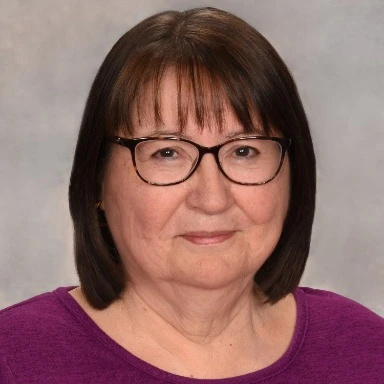
Edna Mitander is a registered therapeutic counsellor (RTC) and therapist in Yukon. Works online with adults and elders on grief and depression.

Verified by Theralist
Verified and in good standing. Last verified Nov 7, 2026
Verification confirms registration only, not fit or quality of care.
How verification worksRegistered Psychotherapist (Qualifying)
Wren Toombs is a registered psychotherapist (qualifying) and therapist in Ottawa for anxiety, depression and grief, in English and French.

Verified by Theralist
Verified and in good standing. Last verified Nov 12, 2026
Verification confirms registration only, not fit or quality of care.
How verification worksRegistered Therapeutic Counsellor, Registered Expressive Arts Therapist
Maiya Robbie is a registered expressive arts therapist in Kelowna, British Columbia, using art therapy with teens and adults for anxiety and grief.
Verified by Theralist
Verified and in good standing. Last verified Nov 9, 2026
Verification confirms registration only, not fit or quality of care.
How verification worksRegistered Psychotherapist (Qualifying)
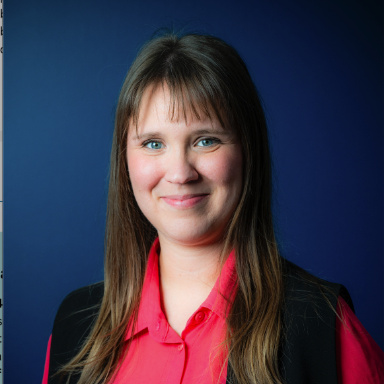
Caitlin Kemmett is a registered psychotherapist (qualifying) and therapist in Ottawa, working with couples and individuals on ADHD and relationship issues.

Verified by Theralist
Verified and in good standing. Last verified Nov 9, 2026
Verification confirms registration only, not fit or quality of care.
How verification worksRegistered Psychotherapist
Tina Bells is a registered psychotherapist and therapist in Toronto, Ontario, who supports adults, teens and elders with grief and trauma, including EMDR.
Verified by Theralist
Verified and in good standing. Last verified Nov 5, 2026
Verification confirms registration only, not fit or quality of care.
How verification worksRegistered Psychotherapist
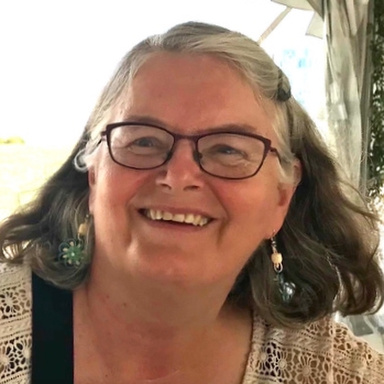
Signy Fridriksson is a registered psychotherapist and therapist in Ottawa, Ontario, offering couples therapy for infidelity and grief counselling.

Verified by Theralist
Verified and in good standing. Last verified Nov 11, 2026
Verification confirms registration only, not fit or quality of care.
How verification worksRegistered Psychotherapist
Daniel Wayow is a registered psychotherapist and online therapist in Ontario who works with men on addiction, depression and anxiety using CBT.

Verified by Theralist
Verified and in good standing. Last verified Nov 12, 2026
Verification confirms registration only, not fit or quality of care.
How verification worksMSc, Registered Psychotherapist (Qualifying), Canadian Certified Counsellor (CCC), EMDR-Trained Therapist, Member of Ontario Association of Mental Health Practitioners
Rose Pinghera is a registered psychotherapist (qualifying) and therapist in Hamilton, Ontario, helping adults and teens with anxiety, depression and trauma.
Verified by Theralist
Verified and in good standing. Last verified Nov 8, 2026
Verification confirms registration only, not fit or quality of care.
How verification worksRegistered Psychotherapist (Qualifying)
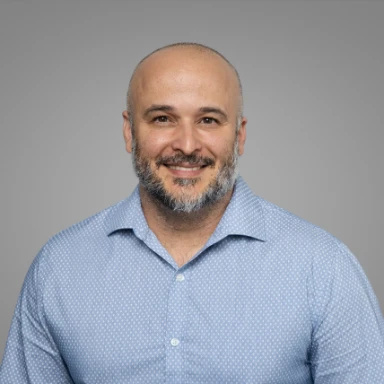
Lester Vega is a registered psychotherapist (qualifying) and therapist offering online sessions in Ontario for trauma, grief and relationship issues.
Verified by Theralist
Verified and in good standing. Last verified Nov 19, 2026
Verification confirms registration only, not fit or quality of care.
How verification worksRegistered Psychotherapist (Qualifying)
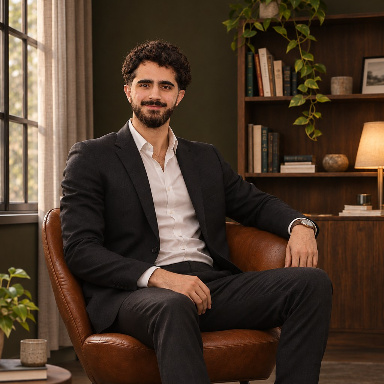
Khaled Albanna is a qualifying registered psychotherapist and online therapist in Ontario, working with teens and adults on anxiety and depression.

Verified by Theralist
Verified and in good standing. Last verified Nov 6, 2026
Verification confirms registration only, not fit or quality of care.
How verification worksRegistered Psychotherapist & Registered Art Therapist
Taylor Bourassa-Wilson is a registered psychotherapist and registered art therapist in Ontario, working with grief, stress and relationship issues.

Verified by Theralist
Verified and in good standing. Last verified Nov 17, 2026
Verification confirms registration only, not fit or quality of care.
How verification worksClinical Social Worker & Therapist
Cristal Hines is a clinical social worker and therapist in Ontario offering online help with trauma, PTSD and family therapy for teens, adults and elders.
Burlington Therapists at a Glance
Number of therapists listed
Average years in practice
Currently accepting new clients
Therapists in Burlington who prioritize treating:
How therapists see their clients
Top therapy approaches used in Burlington:
Frequently Asked Questions About Spirituality
How does spirituality intersect with mental health and therapy?
Spirituality — a sense of connection to something larger than oneself, whether through religion, nature, contemplative practice, community, or personal meaning-making — is a significant dimension of wellbeing for many people. Research consistently shows that spiritual or religious practice is associated with improved mental health outcomes, greater resilience, and lower rates of depression and anxiety. For many people, spirituality is not separate from their mental health — it is part of how they understand suffering, find meaning, and navigate life. Therapy that ignores this dimension misses something important.
What does spiritually sensitive therapy look like?
Spiritually sensitive therapy takes the client's spiritual framework seriously as a source of meaning, support, and identity rather than dismissing or pathologizing it. This means exploring how spirituality shows up in the client's life, how it helps or sometimes hinders, and how therapeutic work can engage with rather than work around spiritual beliefs and practices. It does not require the therapist to share the client's beliefs — only to approach them with genuine curiosity and respect.
Is spirituality different from religion in therapy?
Spirituality and religion overlap but are not identical. Religion typically refers to organized systems of belief, practice, and community — Christianity, Islam, Judaism, Hinduism, Buddhism, and others. Spirituality is broader — a personal sense of meaning, transcendence, or connection that may or may not be embedded in a religious tradition. Many people identify as spiritual but not religious. Therapy can engage meaningfully with both, as well as with the experience of deconstructing or leaving a religious tradition, which is its own significant psychological process.
When might spirituality be a central focus in therapy?
Spirituality may be particularly central in therapy during: spiritual crises or dark nights of the soul; deconstructing or leaving a faith tradition; religious trauma or spiritual abuse; navigating grief that raises questions of meaning and afterlife; integrating mystical or peak experiences; confronting moral injury; and for people for whom spiritual practice is a primary coping resource that has stopped working. For Indigenous clients, spirituality and culture are often inseparable dimensions that a culturally competent therapist must be able to hold.
Can therapy be harmful to someone's spiritual life?
Yes — therapy that dismisses, pathologizes, or subtly devalues a client's spiritual beliefs can cause real harm. It communicates that a core part of the person's identity and meaning-making is not welcome in the therapy room, which undermines the therapeutic relationship. A therapist who treats religious belief as a symptom of psychological difficulty — rather than exploring its functions and meanings — is not being helpful. Finding a therapist who can engage respectfully with your spiritual life, regardless of their own beliefs, is important.