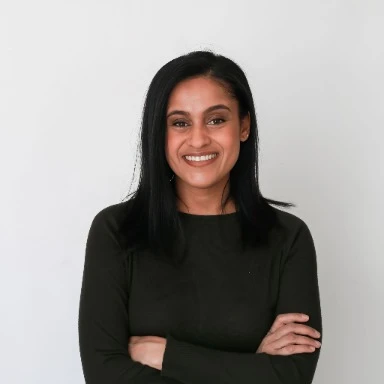
Mandeep Lalli
Registered Psychotherapist (Qualifying)
Mandeep Lalli is a registered psychotherapist (qualifying) and online therapist in Ontario, working with BIPOC adults and couples on anxiety and trauma.
Registered Psychotherapist (Qualifying)
Mandeep Lalli is a registered psychotherapist (qualifying) and online therapist in Ontario, working with BIPOC adults and couples on anxiety and trauma.
Registered Psychotherapist (Qualifying)
Emily Griffin is a qualifying registered psychotherapist and online therapist in Ontario who helps teens and adults with anxiety and eating disorders.
Registered Psychotherapist
Mackenzie Fournier, a registered psychotherapist and therapist in Ontario, works online with teens and adults on anxiety and eating disorders using CBT.
Registered Social Service Worker
Janice Lyons is a registered social service worker and therapist in Guelph, Ontario, working with adults on anxiety and relationship issues.
Registered Psychotherapist
Tracey Ropp is a registered psychotherapist and therapist in Ontario who works with teens and adults on ADHD and anxiety online.
Registered Psychotherapist (RP)
Shelley Sayle-Udall is a registered psychotherapist (RP) and therapist in Ontario offering online support for trauma, anxiety, grief and family conflict.
Registered Psychotherapist (Qualifying)
Katherine Koplov is a registered psychotherapist (qualifying) and therapist in Mississauga, Ontario, for anxiety and relationships in English and Russian.
Registered Psychotherapist
Regina Yakubov is a registered psychotherapist and therapist in Ontario offering online sessions for anxiety and depression, in English or Russian.
Therapist Intern
Mala Dorai is a therapist intern in Vaughan, Ontario, offering CBT, DBT and ACT for adults with anxiety, depression, grief or trauma, in person or online.
Registered Psychotherapist
Vrushalee Nachar is a registered psychotherapist and online therapist in Ontario, working with relational trauma and couples.
Registered Psychotherapist (Qualifying)
Caitlin Kemmett is a registered psychotherapist (qualifying) and therapist in Ottawa, working with couples and individuals on ADHD and relationship issues.
Registered Psychotherapist (Qualifying)
Josephine Loko is a registered psychotherapist (qualifying) and therapist in Ontario offering online couples counselling, grief and anxiety support.
Registered Psychotherapist
Signy Fridriksson is a registered psychotherapist and therapist in Ottawa, Ontario, offering couples therapy for infidelity and grief counselling.
Registered Psychotherapist (Qualifying)
Brock Vaughan is a registered psychotherapist (qualifying) and therapist in Cambridge, Ontario, helping teens and adults with anxiety and depression.
Registered Psychotherapist
DeRoux Jones is a registered psychotherapist and therapist in Ontario who works with adults and teens on grief, anxiety, depression and divorce.
Registered Social Worker
Haley Moore is a registered social worker and therapist in Ontario offering online sessions for anxiety, depression and relationship issues, using CBT and DBT.
Registered Psychotherapist (Qualifying)
Mara Behan is an online therapist in Ontario and registered psychotherapist (qualifying) focused on infidelity, divorce and infertility.
Registered Psychotherapist
Johanna Benoit is a registered psychotherapist and online therapist in Ontario, working with frontline workers and with pregnancy and infant loss.
Registered Psychotherapist
Amanda Rennick-Hazen is a registered psychotherapist and therapist in Ontario, offering online therapy to adults for anxiety, depression and grief.
Registered Psychotherapist(Q)
Hanadi Dar is a registered psychotherapist (qualifying) and therapist in Oakville, Ontario, working with anxiety, trauma, depression and ADHD.
Number of therapists listed
Average years in practice
Currently accepting new clients
Therapists in Burlington who prioritize treating:
How therapists see their clients
Top therapy approaches used in Burlington:
Positive psychology is the scientific study of what makes life worth living — examining wellbeing, strengths, meaning, engagement, and flourishing rather than focusing exclusively on illness and dysfunction. In therapy, positive psychology principles are applied through Positive Psychotherapy (PPT) and wellbeing-focused interventions that build psychological resources alongside addressing distress. It is not about toxic positivity or ignoring problems; it is about cultivating the positive conditions under which people can heal, grow, and thrive.
Traditional therapy tends to focus on identifying and resolving problems — reducing symptoms, challenging distorted thinking, or processing painful experiences. Positive psychology therapy adds a complementary focus: identifying and building on your existing strengths, cultivating positive emotions, developing meaning and purpose, and building relationships that nourish you. Research suggests that building the positive is not just a pleasant add-on but actively accelerates recovery from depression, anxiety, and burnout in ways that deficit-focused therapy alone may not achieve.
Positive psychology is particularly valuable for depression (where depleted positive affect is central), burnout and recovery from exhaustion, life transitions where identity and meaning are in question, people who are functioning but not flourishing ("languishing"), grief and post-traumatic growth, relationship enrichment, and general personal development. It is often integrated into CBT or other evidence-based approaches rather than used as a standalone therapy, allowing clients to address both symptoms and wellbeing simultaneously.
Sessions may include identifying and reflecting on your signature character strengths (using validated tools like the VIA Survey), gratitude practices and positive emotion cultivation, exploring what gives your life meaning and purpose, building positive relationships and social connections, reviewing and building on past successes, and setting goals aligned with your values. These are not surface-level exercises — they are delivered in a therapeutic context that holds the full complexity of your experience, including pain, alongside the work of building a life worth living.
Yes — positive psychology has a robust research foundation. Positive Psychotherapy (PPT) developed by Martin Seligman and colleagues has demonstrated effectiveness for depression in randomized controlled trials. Specific positive psychology interventions — gratitude exercises, strengths identification, best possible self visualization, and savoring practices — each have independent research support. Many therapists integrate evidence-based positive psychology techniques into broader treatment rather than using it as an exclusive approach.