Existential Therapists in Caledon, ON
Verified by Theralist
Verified and in good standing. Last verified Nov 5, 2026
Verification confirms registration only, not fit or quality of care.
How verification worksRegistered Psychotherapist, Recreation Therapist
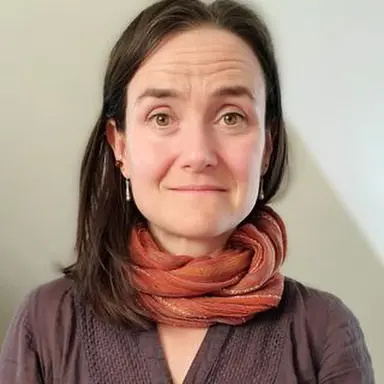
Stacy Kirkbride is an Ontario registered psychotherapist and recreation therapist offering online therapy for chronic illness, chronic pain and anxiety.

Verified by Theralist
Verified and in good standing. Last verified Nov 15, 2026
Verification confirms registration only, not fit or quality of care.
How verification worksRegistered Psychotherapist
Keren Mann is a registered psychotherapist and therapist in Mississauga, Ontario, working with anxiety, depression, trauma and PTSD for adults and teens.
Verified by Theralist
Verified and in good standing. Last verified Nov 17, 2026
Verification confirms registration only, not fit or quality of care.
How verification worksRegistered Psychotherapist
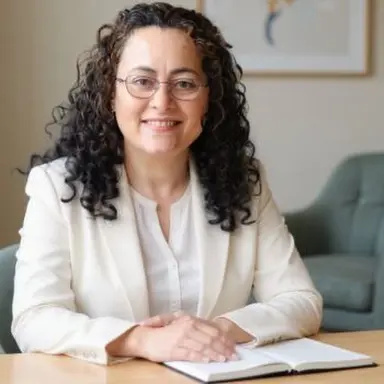
Shereen Ishag is a registered psychotherapist and therapist in Burlington, Ontario, who works with couples, families and teens on anxiety and trauma.
Verified by Theralist
Verified and in good standing. Last verified Nov 11, 2026
Verification confirms registration only, not fit or quality of care.
How verification worksRegistered Psychotherapist
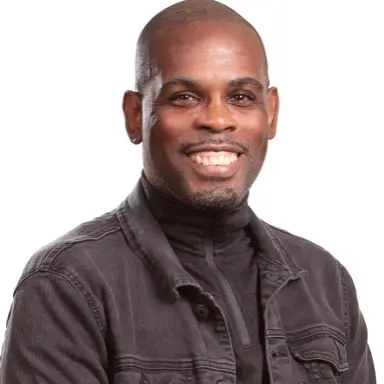
DeRoux Jones is a registered psychotherapist and therapist in Ontario who works with adults and teens on grief, anxiety, depression and divorce.

Verified by Theralist
Verified and in good standing. Last verified Nov 5, 2026
Verification confirms registration only, not fit or quality of care.
How verification worksRegistered Psychotherapist
Cayla Townes is a registered psychotherapist and therapist in Ontario offering online support for anxiety, trauma and depression to adults and elders.

Verified by Theralist
Verified and in good standing. Last verified Nov 12, 2026
Verification confirms registration only, not fit or quality of care.
How verification worksRegistered Psychotherapist (Qualifying), MACP, BA (she, her)
Emma Hartley is a registered psychotherapist (qualifying) and therapist in Ontario, seeing adults and teens online for anxiety, ADHD and stress.

Verified by Theralist
Verified and in good standing. Last verified Nov 11, 2026
Verification confirms registration only, not fit or quality of care.
How verification worksRegistered Psychotherapist (Qualifying)
Brock Vaughan is a registered psychotherapist (qualifying) and therapist in Cambridge, Ontario, helping teens and adults with anxiety and depression.

Verified by Theralist
Verified and in good standing. Last verified Nov 8, 2026
Verification confirms registration only, not fit or quality of care.
How verification worksRegistered Psychotherapist (Qualifying)
Joey Mercer is a registered psychotherapist (qualifying) and therapist in Hamilton, Ontario, helping adults with trauma, addiction and depression.
Verified by Theralist
Verified and in good standing. Last verified Nov 11, 2026
Verification confirms registration only, not fit or quality of care.
How verification worksRegistered Psychotherapist (Qualifying)
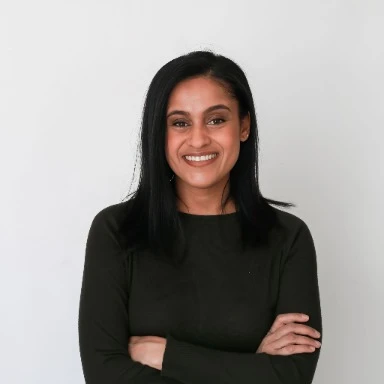
Mandeep Lalli is a registered psychotherapist (qualifying) and online therapist in Ontario, working with BIPOC adults and couples on anxiety and trauma.
Verified by Theralist
Verified and in good standing. Last verified Nov 11, 2026
Verification confirms registration only, not fit or quality of care.
How verification worksRegistered Psychotherapist (Qualifying)
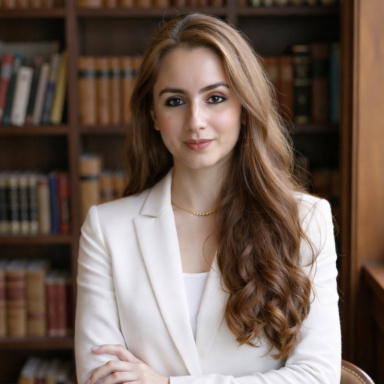
Manisha Grewal is a registered psychotherapist (qualifying) and therapist in Ontario, seeing adults for anxiety, depression and grief through online sessions.

Verified by Theralist
Verified and in good standing. Last verified Nov 16, 2026
Verification confirms registration only, not fit or quality of care.
How verification worksRegistered Psychotherapist, RP, MACP, BA (she, her)
Ashley Toogood is a registered psychotherapist and online therapist in Ontario offering CBT and DBT for anxiety, depression and insomnia.

Verified by Theralist
Verified and in good standing. Last verified Nov 11, 2026
Verification confirms registration only, not fit or quality of care.
How verification worksRegistered Psychotherapist (Qualifying), MACP, ADHD-SP, EMDR, HBSc (she, her)
Maya Awad is a registered psychotherapist (qualifying) and therapist in Ontario who works online with teens, adults and couples on ADHD and anxiety.

Verified by Theralist
Verified and in good standing. Last verified Nov 6, 2026
Verification confirms registration only, not fit or quality of care.
How verification worksRegistered Psychotherapist, MACP, B.Sc (Hons)
Jessica DeMille is a registered psychotherapist and therapist in Oshawa, Ontario, working with anxiety, depression, codependency and relationship issues.

Verified by Theralist
Verified and in good standing. Last verified Nov 11, 2026
Verification confirms registration only, not fit or quality of care.
How verification worksRegistered Psychotherapist (Qualifying)
Anastasia Berezowsky is a qualifying registered psychotherapist and therapist in Toronto, Ontario, seeing teens, adults and couples online or in person.

Verified by Theralist
Verified and in good standing. Last verified Nov 7, 2026
Verification confirms registration only, not fit or quality of care.
How verification worksRegistered Psychotherapist (Qualifying)
Jodi Evers is a registered psychotherapist (qualifying) and therapist in Ontario, helping teens and adults with anxiety, trauma and PTSD.

Verified by Theralist
Verified and in good standing. Last verified Nov 11, 2026
Verification confirms registration only, not fit or quality of care.
How verification worksRegistered Psychotherapist
Li Li is a registered psychotherapist and therapist in Toronto, Ontario, helping adults with trauma, anxiety, depression and ADHD through EMDR and EFT.
Verified by Theralist
Verified and in good standing. Last verified Nov 9, 2026
Verification confirms registration only, not fit or quality of care.
How verification worksRegistered Psychotherapist (Qualifying)
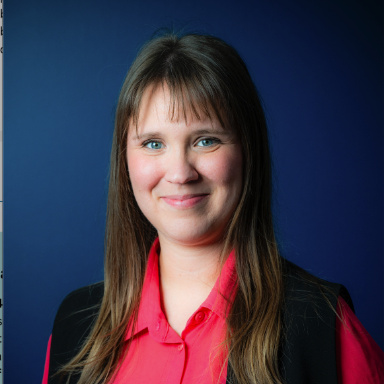
Caitlin Kemmett is a registered psychotherapist (qualifying) and therapist in Ottawa, working with couples and individuals on ADHD and relationship issues.

Verified by Theralist
Verified and in good standing. Last verified Nov 11, 2026
Verification confirms registration only, not fit or quality of care.
How verification worksRegistered Psychotherapist, Canadian Certified Counsellor (CCC)
Lylla Goheen is a registered psychotherapist and therapist in Etobicoke, offering couples therapy, sex therapy and anxiety support, in person or online.
Verified by Theralist
Verified and in good standing. Last verified Nov 5, 2026
Verification confirms registration only, not fit or quality of care.
How verification worksRegistered Psychotherapist, Sandalwood Psychotherapy
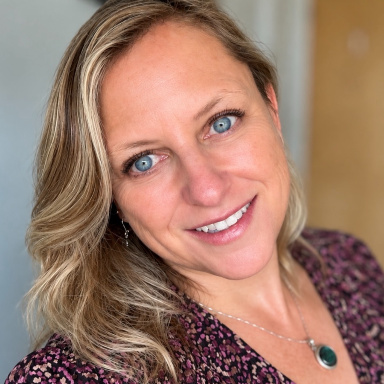
Allison Mundle is a registered psychotherapist and therapist in Etobicoke, Ontario, working with women on anxiety, codependency and trauma.
Verified by Theralist
Verified and in good standing. Last verified Nov 7, 2026
Verification confirms registration only, not fit or quality of care.
How verification worksRegistered Psychotherapist
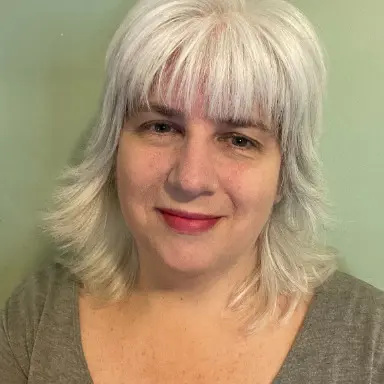
Jennifer Oakley is a registered psychotherapist and online therapist in Ontario focused on adoption loss, reunion, grief and trauma.
Caledon Therapists at a Glance
Number of therapists listed
Average years in practice
Currently accepting new clients
Therapists in Caledon who prioritize treating:
How therapists see their clients
Top therapy approaches used in Caledon:
Frequently Asked Questions About Existential
What is existential therapy?
Existential therapy is a philosophical approach to psychotherapy that focuses on the fundamental concerns of human existence — freedom and responsibility, the search for meaning, the inevitability of death, and existential isolation (the unbridgeable gap between self and others). Rather than viewing psychological suffering as a symptom of disorder, existential therapy understands it as arising from the encounter with the inescapable realities of being human. The goal is not to eliminate suffering but to develop an authentic relationship with one's own existence — living with greater freedom, meaning, and responsibility.
What issues does existential therapy address?
Existential therapy is particularly suited to questions of meaning and purpose, fear of death and mortality, the experience of meaninglessness or emptiness, major life transitions, chronic illness and confronting one's finitude, grief, questions of freedom and self-determination, inauthenticity and the feeling of living according to others' expectations rather than one's own values, and existential anxiety that does not fit neatly into diagnostic categories. It complements rather than replaces other approaches for conditions like depression and anxiety.
What does an existential therapy session look like?
Existential therapy sessions are typically open-ended and dialogical — exploring the client's lived experience through genuine philosophical dialogue rather than structured techniques. The therapist engages with the client's fundamental questions about life, meaning, death, freedom, and relationship with curiosity and depth. There is no fixed protocol or technique set; the quality of the relationship and the depth of the inquiry are the primary vehicles of change. Existential therapy requires therapists with genuine philosophical grounding and personal depth.
Who are the key figures in existential therapy?
Existential therapy draws on existentialist philosophy (Sartre, Heidegger, Kierkegaard, Camus) and was developed clinically by figures including Viktor Frankl (logotherapy, focused on meaning), Irvin Yalom (four ultimate concerns: death, freedom, isolation, meaninglessness), Rollo May, and Ludwig Binswanger. Emmy van Deurzen and Ernesto Spinelli developed the British tradition of existential therapy. These approaches share a philosophical orientation but differ in emphasis and technique.
Who benefits most from existential therapy?
Existential therapy tends to resonate with people who are philosophically inclined, who are wrestling with questions of meaning and identity rather than (or in addition to) specific symptoms, and who find reductive or technique-focused approaches unsatisfying. It is particularly valuable during major life transitions (retirement, serious illness, bereavement, midlife questioning), for people who feel their suffering is a response to real existential challenges rather than a "disorder," and for those who want a therapy that engages the whole of their humanity rather than specific pathology.