Grief Therapists in North Bay, ON
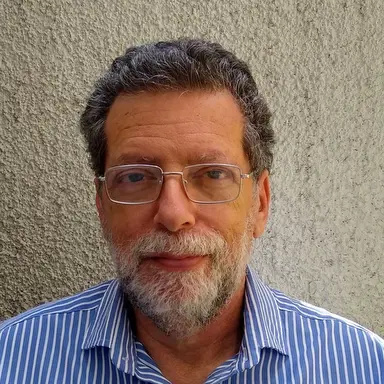
David Mibashan
Psychologist
We cannot lie to ourselves: realizing that something is bothering us is the first step towards understanding our present situation. Coming to therapy is a positive second step. It allows us to see where we come from, where we are now and where we would like to be. We should also keep in mind that once we know something, we cannot unknow it.
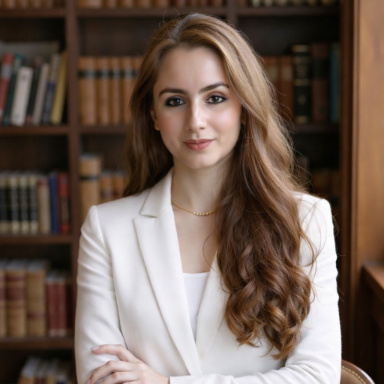
Manisha Grewal
Registered Psychotherapist (Qualifying)
I offer a compassionate space to address both immediate struggles and deeper patterns. Together, we’ll build tools to manage symptoms in the present while exploring past experiences, identity, and meaning. My approach blends existential therapy, parts work (IFS), and ACT, and is inclusive, culturally sensitive, and LGBTQIA+/BIPOC affirming.
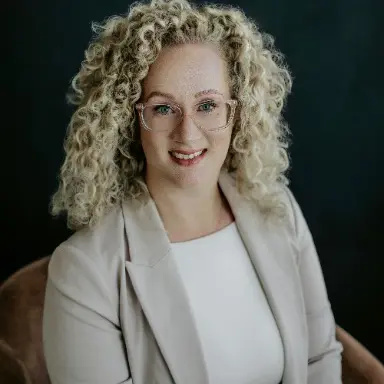
Michelle Keough
Master of Clinical Social Work, Registered Social Worker
Feeling disconnected from your partner has got you feeling discouraged and frustrated in your relationship. You're tired of having the same arguments continue to happen in your relationship with no understanding. Being stuck in conflict has lead to you feeling disconnected from your partner and is holding you back from creating a secure loving bond. You no longer need to feel alone in your rela...

Brock Vaughan
Registered Psychotherapist (Qualifying)
Brains are messy. Therapy doesn't have to be.
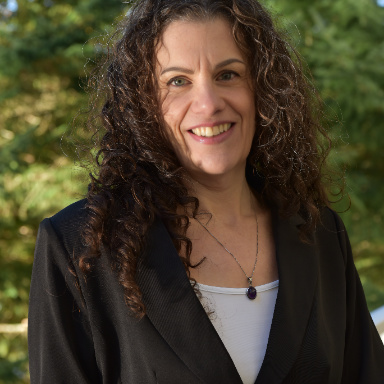
Renee Crossan (she/her)
Registered Social Worker (MSW, RSW)
I know how important it is to find a therapist that who truly understands you. As a trauma-informed therapist, I understand that a strong therapeutic relationship is essential for healing and personal growth. I strive to create a safe and nurturing space where you can openly share your experiences, allowing us to work collaboratively on your journey toward resilience and self-discovery.

Gulrukh Khan
Registered Psychotherapist, Qualifying
Helping South Asians, immigrants, and BIPOC individuals break free from cultural pressures, heal from trauma, people-pleasing, anxiety, guilt, and perfectionism as they embrace their true identity, and build a life that honours both heritage and personal well-being. At Empowering Roots in Brampton, Ontario, we offer culturally sensitive therapy tailored to your unique experiences.
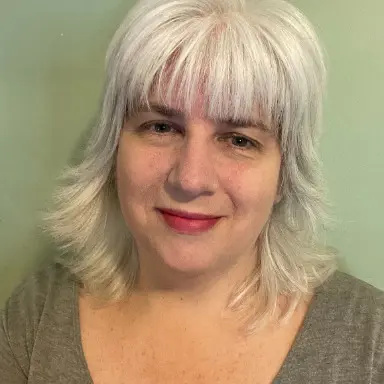
Jennifer Oakley
Registered Psychotherapist
I am a therapist honoured to support individuals looking for harmony and clarity in their life. I specialize in Grief, Anxiety, Depression, Early Childhood Trauma, Abandonment, PTSD, with a special interest in Adoption Loss and Reunion, Family Separation, and Family Conflict.
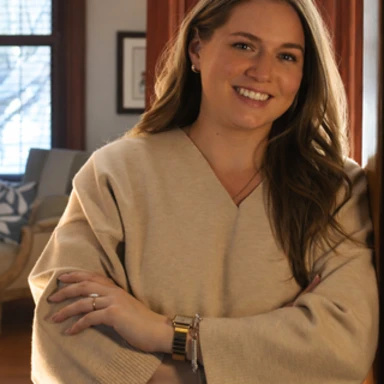
Jillian Ivany
Registered Psychotherapist
Life can feel overwhelming, leaving you anxious, disconnected, or stuck in painful patterns. I offer Internal Family Systems (IFS) therapy in a warm, non-judgmental space where all parts of you are welcome. Together we explore your inner world with curiosity to support healing, clarity, and connection to yourself and others. I offer virtual/in person session. Free 15min consultations available.
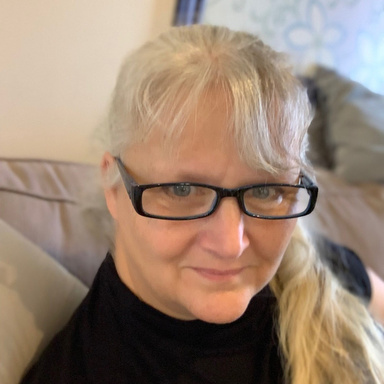
Myra Meier
Registered Social Worker
My aspiration as a therapist is to create a safe environment in which work can be collaborative, address the impacts of trauma, stress, anxiety, depression and/or grief and make the changes necessary to live the healthy and fulfilling life that my clients want.

Sanja Dejanovic, RP PhD
Registered Psychotherapist
Hi there! I'm Sanja. I support people seeking individual and couple or relational therapy. Here to assist you to move through difficult, challenging, or stress inducing experiences. We will work collaboratively to make sense of how past happenings impact your present while growing your capacity to navigate situations and relationships.
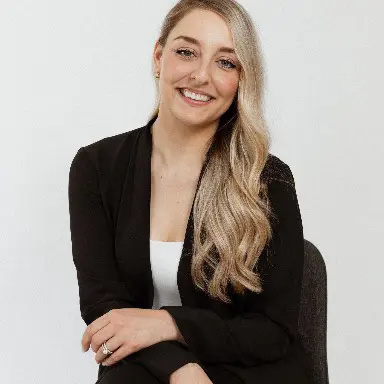
Sabrina Lacasse
Registered Psychotherapist
My theory of change is founded on the premise that healing and growth can emerge through nurturing interpersonal connections. I stand by the belief that we are relational beings, meaning that our interactions with others influence our mood, sense of self, and well-being.

Erin Rehmann
Therapist
It takes strength to recognize when you need support and even more courage to take action. Choosing to enroll in therapy is a significant step toward nurturing your well-being and investing in your own growth and happiness. I aim to provide the guidance and unwavering support that you deserve as you navigate the challenges and obstacles that life throws at you.

Carolyn Holmes
Registered Psychotherapist (Qualifying)
Offering affordable virtual sessions for infertility, ADHD, PMDD, grief/loss, stress, anxiety, and depression. Trained in DBT, CBT, humanistic/client led, solution focused, narrative therapy approaches. A warm, open counsellor to help with immediate availability.

Wren Toombs
Registered Psychotherapist (Qualifying)
I offer depth-oriented, trauma-informed psychotherapy to adults (18+) of all genders and backgrounds using primarily a psychodynamic approach but also drawing on emotion-focussed, behavioural, and body-based techniques as needed. I provide therapy in-person and virtually, in French and English. I am accepting new clients.

Renata Roma
Registered Psychotherapist (Qualifying)
I offer support for individuals dealing with anxiety, including high-functioning anxiety, OCD, intrusive thoughts, and phobias, including animal-related fears. Many of my clients come in with relationship struggles. I also specialize in pet loss, and anxiety related to pets.
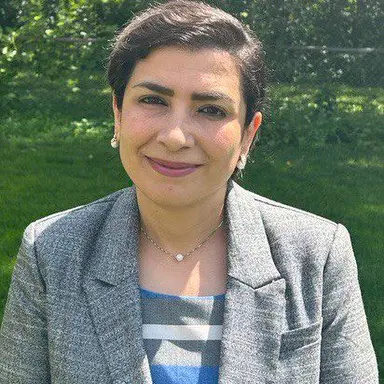
Somayyeh Kamalou
Psychologist (Supervised Practice)
By processing the nature of your psychological struggles and seeking adaptive strategies to cope with difficult situations, you can find relief from pain. You deserve to seek out the best possible psychological care as a crucial step towards self-care and self-advocacy. I value your courage, and I believe that together we can embark on a journey of self-exploration and insight.
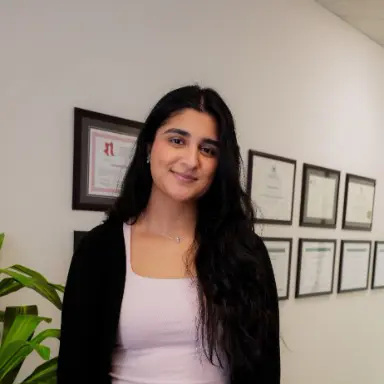
Navkiran Bajwa
Registered Psychotherapist (Qualifying)
Hi! My name is Nav and I am a Registered Psychotherapist (Qualifying) in Ontario! I currently practice in Vaughan and offer in-person & virtual sessions! Feel free to contact me for a free 15 minute consultation to see if I'd be a good fit for your needs!

Christina Hong
Registered Provisional Psychologist
Hello there! I am Christina, I have a genuine love and care for connecting with people. I’m here to support you if anxiety has been making life feel heavy or overwhelming. I believe that, counselling at its core is the genuine collaborative connection of individuals coming together to navigate this wonderfully bizarrely life of ours. In my role, my mission is to create a warm, supportive, and j…

Mahum Ahmed
Registered Social Worker
Struggling with anxiety, depression, trauma, or PTSD? You may feel overwhelmed or stuck and want deeper understanding—not just symptom relief. I offer compassionate, tailored therapy using evidence-based approaches like CBT. Together, we’ll build emotional regulation, stronger relationships, and a more fulfilling, empowered future.

Sarah Flanagan
Registered Psychotherapist (RP)
Whether you're navigating the emotional complexities of infertility, struggling with self-worth, processing grief, feeling lost in a life transition, or disconnected in your relationships, you are not alone, and you don't have to go through it alone. I strive to create a collaborative, non-judgmental space where you can show up as you are and where we can make sense of things together.
How do therapists in North Bay, ON compare?
Number of therapists listed
Average years in practice
Currently accepting new clients
Therapists in North Bay, ON who prioritize treating:
How therapists see their clients
Top therapy approaches used in North Bay, ON:
Frequently Asked Questions About Grief
What is grief and when does it need professional support?
Grief is the natural emotional response to loss — most commonly the death of a loved one, but also the loss of a relationship, a job, health, or a major life change. While grief is a normal human experience, professional support is helpful when grief is prolonged, intense, or significantly interfering with daily life, relationships, or the ability to function. A therapist offers a safe space to process loss at your own pace, without judgment.
What types of loss can grief therapy help with?
Grief therapy addresses a wide range of losses: the death of a parent, partner, child, sibling, or friend; pregnancy loss and infertility; the end of a significant relationship; loss of identity following illness, injury, or retirement; and disenfranchised grief — losses that may not be widely recognized, such as the death of a pet or estrangement from family. No loss is too small or too large to deserve support.
What is complicated grief and how is it treated?
Complicated grief (also called prolonged grief disorder) occurs when acute grief does not ease over time and persists with significant intensity for six months or more after a loss. It may involve intense longing, difficulty accepting the death, bitterness, or an inability to engage with life. Complicated grief is treated with specialized approaches such as Complicated Grief Treatment (CGT), which combines exposure work with strategies for rebuilding a meaningful life.
What does a grief therapy session look like?
Grief sessions are generally less structured than approaches like CBT — they are guided by what feels most present and necessary for you in each session. You might talk about the person or thing you lost, explore memories, work through difficult emotions like guilt or anger, or discuss what life looks like going forward. Your therapist's role is to witness, support, and gently help you integrate the loss into your ongoing life.
How long does grief counselling take?
There is no set timeline for grief — it is as individual as the relationship that was lost. Some people find 6–12 sessions sufficient to process a loss and find their footing; others benefit from longer-term support, particularly after sudden, traumatic, or multiple losses. Grief does not follow a linear path, and your therapist will meet you where you are rather than expecting you to follow a predictable sequence.