Compassion Focused Therapists in Saskatchewan
View all cities in Saskatchewan

Vrushalee N
Registered Psychotherapist
I’m a Registered Psychotherapist specializing in relational trauma, narcissistic abuse, attachment wounds, identity, self-worth, and emotional regulation. My approach is trauma-informed, integrative, culturally responsive, and deeply collaborative, helping clients move beyond survival patterns toward self-trust, healthier boundaries, and meaningful change.
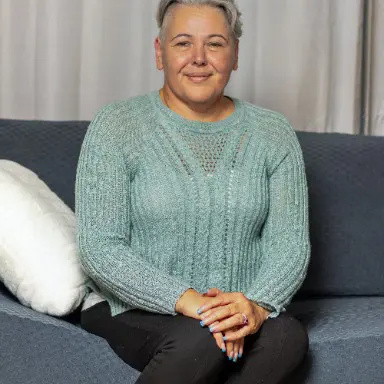
Debra (Debbie) Airth
Registered Therapeutic Counsellor
Come as you are. Let's begin from there. I support individuals and couples navigating grief, chronic illness, trauma, identity exploration, LGBTQ+ experiences, polyamory/ENM, and life transitions. My approach is warm, trauma-informed, and rooted in genuine human connection, helping you reconnect with your strengths and move forward with greater clarity and self-compassion.

Annie Szalkai
Registered Psychotherapist
I work with adults from diverse backgrounds, supporting those navigating anxiety, stress, and self-esteem challenges. My approach is client-centred and integrative, drawing from CBT, ACT, EFIT, Solution-Focused Therapy, and more to meet each person’s unique needs.

Emma Hartley
Registered Psychotherapist (Qualifying), MACP, BA (she, her)
Are you looking for a therapist that knows what it's like to feel lost or overwhelmed and how to find your footing again? Noticing yourself feeling more anxious, "just tired", and craving a space to slow down and reconnect with a sense of meaning or purpose? Trying to make sense of shifts in mood, questioning careers, exploring relationships, parenting and identity, or a major life transition?
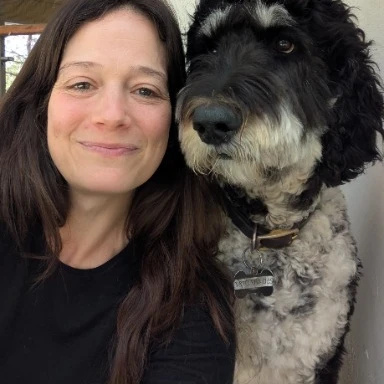
Alexandra Goodall
MA, Registered Clinical Counsellor, Somatic Psychotherapist, EMDR
Somatic. Relational. Neurobiological. I am an integrative, somatically-oriented therapist. I support clients who find themselves facing change and growth, be that in relationships, contribution/vocation, trauma recovery, intergenerational legacy, sexuality or spirituality. More at www.alexandragoodalltherapy.com and www.redkitehealing.com
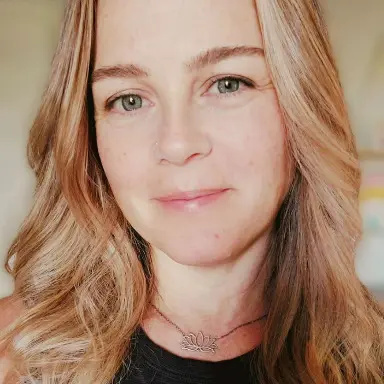
Bonnie Koehn
Registered Clinical Counsellor, Certified Canadian Counsellor
My practice is grounded in a holistic and non-pathologizing approach that is client-centered, trauma-informed, and strengths-based. I offer authentically compassionate and accepting therapy so you can feel free to be yourself. My clients attend virtual therapy from their preferred location- whether that’s the comfort of home, a walk in the park, or over lunch break at work.

Emma Laughlan
Registered Psychotherapist (Qualifying)
I work with children (10+), teens, and adults who feel anxious, overwhelmed, or exhausted by the pressure to get everything “right.” You may be stuck in overthinking, people‑pleasing, panic symptoms, health anxiety, or relationship patterns that leave you doubting yourself. On the outside, you might appear high‑achieving and capable. Inside, you feel tense, self‑critical, or never quite enough.
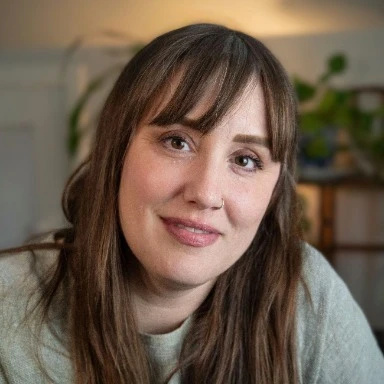
Laura Shaw
Registered Psychotherapist
Do you have high expectations or a brain that won’t shut off? I specialize in supporting women (20s-40s) navigating anxiety, life transitions, and suspected (or confirmed) neurodivergence (ADHD or AuDHD). My approach is neuro-affirming, mind-body centered, and specifically tailored to help you stop overthinking and start living authentically. Let's build a life that actually feels like you!

Maya Awad
Registered Psychotherapist (Qualifying), MACP, ADHD-SP, HBSc (she, her)
Accepting NEW clients - Are you feeling overwhelmed or like you’re carrying a lot on your own? Feel like you're doing everything you’re “supposed to do,” but something still doesn’t feel right? Have a desire to better understand your thoughts, emotions, or patterns, work on building confidence or self-esteem, or find support for your relationship?

Sarah Perone
Registered Psychotherapist (Qualifying)
I help individuals and couples break painful relationship cycles so they can feel more connected, secure, and confident. I support concerns like recurrent conflict, relationship anxiety (and ROCD), limerence, and resentment. Using an attachment- and evidence-based approach, I offer warm, non-judgmental virtual therapy across Ontario. Book a free 15-minute consultation to get started.
Denise Mansell, MACP, RSW, RCC, CCC
Registered, Clinical Counsellor, Registered Social Worker, Psychotherapist
Feeling stuck, numb or overwhelmed by the world right now? Are you facing issues like anxiety, depression, and relationship problems? I offer professional, in-person Clinical Counselling, Grief Therapy & Registered Social Work services. Contact me to arrange a brief, complimentary consultation. If you are ready to get started, I have both in-person and remote session openings available.

Hazel Diaz
Registered Psychotherapist (Qualifying), Canadian Certified Counsellor (CCC)
You may look like you have things together, but internally you’re overthinking, questioning yourself, or finding yourself stuck in the same relationship patterns. I work with adults and couples navigating anxiety, attachment, relationship difficulties, betrayal or infidelity, neurodiversity, identity, and life transitions. Together, we’ll understand what’s beneath the patterns and work toward rel…

Abby Tait
Registered Psychotherapist (Qualifying)
You might come to therapy feeling stuck in familiar patterns - ways of coping, thinking, or relating that once made sense but now feel hard to shift. You may be thoughtful and self-aware, yet find yourself overthinking, avoiding certain emotions, or feeling disconnected from who you are or where you’re headed. Questions about identity, values, and purpose often sit quietly underneath these experi…
Mara Behan
Registered Psychotherapist (Qualifying)
I help couples and individuals find growth, healing, and stronger connections. Using evidence-based and individualized approaches, I support those struggling with women's health concerns (e.g., pregnancy, postpartum, perimenopause, menopause), relationship concerns (e.g., resentment, infidelity), and life transitions (e.g., separation/divorce, parenting). I offer a free 15-minute consultation!
Julia Finetti
Registered Clinical Counsellor & Couples Therapist
Julia Finetti (MA, CCC, RCC) is a compassionate therapist specializing in relationships, life transitions, and emotional healing. She creates a warm, grounded space where clients finally feel at ease. With a practical, insight-driven approach, Julia helps people set boundaries, break old patterns, and reconnect with themselves - delivering real, lasting change.

Katharine De Santos
Registered Psychotherapist
Healthy Minds Psychotherapy was founded in 2018 with the mission of providing psychotherapeutic care to individuals from diverse backgrounds, fostering resilience in each person and our community as a whole.

Eleni Anagnosti
Registered Psychotherapist (Qualifying), ADHD-CCSP, MS, HBA, BA
My approach is compassionate, culturally attuned, and collaborative. I draw from CBT, strengths-based, solution-focused, and trauma-informed approaches to support ADHD, anxiety, depression, burnout, grief, life transitions, and relationship patterns. Together, we focus on building practical tools, emotional balance, and a stronger sense of self-trust.
How do therapists in Saskatchewan compare?
Number of therapists listed
Average years in practice
Currently accepting new clients
Therapists in Saskatchewan who prioritize treating:
How therapists see their clients
Top therapy approaches used in Saskatchewan:
Frequently Asked Questions About Compassion Focused
What is Compassion-Focused Therapy (CFT)?
Compassion-Focused Therapy (CFT) is a form of psychotherapy developed by Paul Gilbert that integrates evolutionary psychology, neuroscience, cognitive therapy, and Buddhist psychology. CFT targets what Gilbert identified as a core feature of many people's psychological suffering: intense, chronic shame and self-criticism. It aims to cultivate compassion — for oneself and others — as a means of reducing shame-based suffering, regulating threat-based emotional systems, and activating the soothing-affiliation system associated with warmth, care, and psychological security.
What does CFT treat?
CFT is particularly suited to people with high levels of self-criticism and shame — which are common across depression, anxiety, eating disorders, personality disorders, trauma, and addictions. It was originally developed for people with severe, complex presentations who had not responded adequately to CBT. Research supports its effectiveness for depression, anxiety, eating disorders, and borderline personality disorder. CFT is also used in oncology settings, chronic pain, and with people experiencing psychosis, where self-compassion is an important resource.
What does a CFT session look like?
CFT sessions involve psychoeducation about the evolved nature of our emotional systems (threat, drive, and soothing/affiliation), exploration of how early experiences shaped the person's particular patterns of self-criticism and shame, and practices specifically designed to cultivate the compassionate self — including compassionate imagery (imagining a deeply wise and compassionate figure), compassionate letter writing, and mindfulness practice focused on warmth and care. The emphasis is on experiential rather than purely cognitive work.
Why is self-compassion so important in CFT?
Gilbert's research showed that changing the content of self-critical thoughts (as in CBT) was often insufficient for people with deep shame — because the problem was not just the thoughts but the hostile, contemptuous tone in which they were delivered to oneself. Cultivating a warm, compassionate inner voice — one that responds to one's own pain the way a deeply caring person would — produces psychological change that thought-challenging alone does not. Many people initially find self-compassion very difficult, which is itself part of the therapeutic work.
How long does CFT take?
CFT is typically delivered over 12–20 sessions for focused presentations, but longer-term work is common for complex trauma or personality difficulties. The time needed to establish a compassionate self-relationship and overcome resistance to self-compassion (which is often strong) varies significantly between individuals. CFT can also be integrated into longer-term psychodynamic or CBT work as a specific intervention for shame and self-criticism rather than used as a complete standalone therapy.