Coping Skills Therapists in Regina, SK

Verified by Theralist
Verified and in good standing. Last verified Nov 5, 2026
Verification confirms registration only, not fit or quality of care.
How verification worksRegistered Social Worker & DBT Therapist
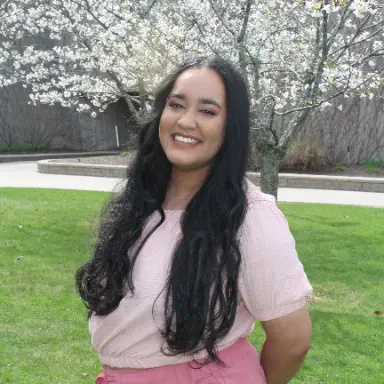
Mabel Reimer is a registered social worker and DBT therapist in Calgary, Alberta, working with teens, adults and families, including neurodivergent clients.
Verified by Theralist
Verified and in good standing. Last verified Nov 6, 2026
Verification confirms registration only, not fit or quality of care.
How verification worksRegistered Psychotherapist
Ariel Dasrath is a registered psychotherapist and online therapist in Ontario for teens and adults on family conflict and peer relationships.

Verified by Theralist
Verified and in good standing. Last verified Nov 16, 2026
Verification confirms registration only, not fit or quality of care.
How verification worksRegistered Clinical Counsellor
Leah Dhahan is a registered clinical counsellor and therapist in British Columbia offering online and in-person help with anxiety and relationship issues.

Student Therapist
Joshua Dhanaraj is a student therapist in Calgary, Alberta, offering CBT for anxiety and grief to teens, adults and seniors, in person or online.

Verified by Theralist
Verified and in good standing. Last verified Nov 9, 2026
Verification confirms registration only, not fit or quality of care.
How verification worksRegistered Psychotherapist (Qualifying)
Abby Tait, a registered psychotherapist (qualifying) and online therapist in British Columbia, works with adults on grief, caregiver burnout and anxiety.

Verified by Theralist
Verified and in good standing. Last verified Nov 8, 2026
Verification confirms registration only, not fit or quality of care.
How verification worksEMDR Therapist
Delia Bagi is an EMDR therapist in Ontario, working online with teen and adult clients on trauma, anxiety and depression.

Verified by Theralist
Verified and in good standing. Last verified Nov 16, 2026
Verification confirms registration only, not fit or quality of care.
How verification worksCertified Counsellor
Erika Thebeau is a certified counsellor and therapist in New Brunswick who works online with adults and elders on anxiety, stress, and coping skills.

Verified by Theralist
Verified and in good standing. Last verified Nov 6, 2026
Verification confirms registration only, not fit or quality of care.
How verification worksRegistered Psychotherapist
Annie Szalkai is a registered psychotherapist and online therapist in Ontario, helping adults with anxiety and depression using CBT and DBT.

Verified by Theralist
Verified and in good standing. Last verified Nov 12, 2026
Verification confirms registration only, not fit or quality of care.
How verification worksRegistered Psychotherapist (Qualifying)
Abby Tait is a registered psychotherapist (qualifying) and therapist in Ontario who works online with adults on grief and addiction, using ACT and DBT.
Verified by Theralist
Verified and in good standing. Last verified Nov 16, 2026
Verification confirms registration only, not fit or quality of care.
How verification worksRegistered Clinical Social Worker
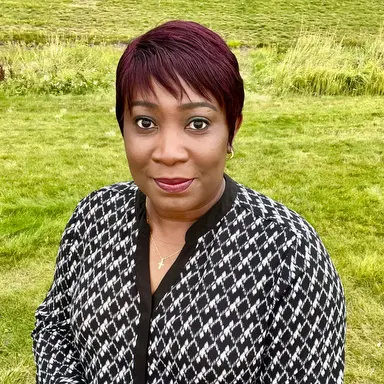
Jane Chukwujekwu is a registered clinical social worker and therapist in Regina, Saskatchewan, helping teens and adults with anxiety, depression and grief.

Verified by Theralist
Verified and in good standing. Last verified Nov 6, 2026
Verification confirms registration only, not fit or quality of care.
How verification worksRegistered Canadian Art Therapist (RCAT), Master Practitioner of Clinical Counselling (MPCC)
Julie Vacca is a registered Canadian art therapist (RCAT) and therapist in Prince Albert, Saskatchewan who works with trauma, addiction and anxiety.
Verified by Theralist
Verified and in good standing. Last verified Nov 9, 2026
Verification confirms registration only, not fit or quality of care.
How verification worksCanadian Certified Counsellor
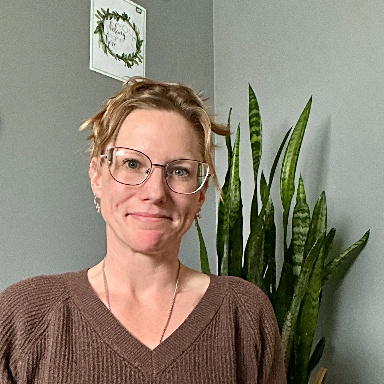
Tabitha Brown is a Canadian certified counsellor and therapist in Alberta offering online counselling for trauma and PTSD, using EMDR and DBT.
Regina Therapists at a Glance
Number of therapists listed
Average years in practice
Currently accepting new clients
Therapists in Regina who prioritize treating:
How therapists see their clients
Top therapy approaches used in Regina:
Frequently Asked Questions About Coping Skills
What are coping skills and why do they matter?
Coping skills are the strategies we use to manage stress, difficult emotions, and challenging situations. Some coping strategies are adaptive — exercise, seeking support, problem-solving, mindfulness — while others are maladaptive — avoidance, substance use, self-harm, rumination — providing short-term relief but creating longer-term problems. Therapy focused on coping skills helps you identify which strategies you currently use, understand their effects, and build a broader, more effective toolkit for managing life's difficulties.
What therapy approaches build coping skills?
DBT is one of the most skills-intensive therapy approaches, explicitly teaching four modules of coping skills: mindfulness, distress tolerance, emotional regulation, and interpersonal effectiveness. CBT builds problem-solving, cognitive restructuring, and behavioural activation skills. ACT develops psychological flexibility. Mindfulness-Based Stress Reduction (MBSR) teaches mindfulness as a core coping tool. Many therapists integrate skills from multiple approaches based on what is most relevant for your specific challenges.
Who benefits most from coping skills therapy?
Coping skills work benefits almost anyone experiencing stress, anxiety, depression, emotional dysregulation, or difficult life circumstances. It is particularly valuable for people who feel overwhelmed by their emotions, who rely on avoidance or unhealthy behaviours to get through hard times, who are managing chronic illness or pain, or who are going through significant life transitions. Children and adolescents also benefit greatly from learning coping skills early, before maladaptive patterns become entrenched.
What is the difference between coping skills and deeper therapy work?
Coping skills address the how of managing distress — the practical tools and strategies. Deeper therapy work addresses the why — the root causes, unresolved experiences, and underlying patterns that create the distress in the first place. Both are important: coping skills provide the stability needed to engage in deeper work, while deeper work reduces the need to rely heavily on coping strategies over time. Many effective treatments integrate both levels.
How quickly can I expect to benefit from coping skills therapy?
Coping skills can produce relatively rapid benefits — many people notice improvements in their ability to manage distress within the first few sessions as they begin applying new tools. The key is consistent practice between sessions: skills that are learned but not practised tend to be unavailable in moments of high distress. Most coping-focused therapies are short to medium term, ranging from 6 to 16 sessions, with the option to continue if deeper exploration is indicated.