Menopause Therapists in Victoria, BC
Verified by Theralist
Verified and in good standing. Last verified Nov 17, 2026
Verification confirms registration only, not fit or quality of care.
How verification worksPsychotherapist
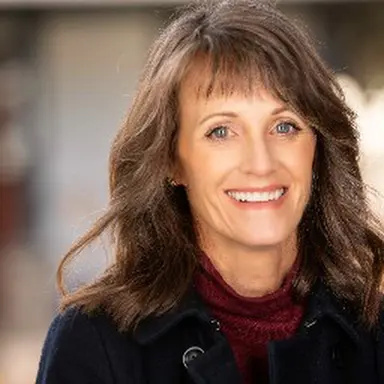
Michele Dolan is a psychotherapist and therapist in Victoria, British Columbia, working with neurodivergent adults on anxiety and trauma using EMDR.
Verified by Theralist
Verified and in good standing. Last verified Nov 6, 2026
Verification confirms registration only, not fit or quality of care.
How verification worksRegistered Social Worker (MSW, RSW)
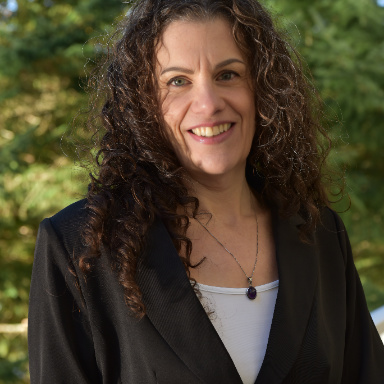
Renee Crossan is a registered social worker and therapist in Ontario offering online counselling for adults on anxiety, depression, grief and menopause.
Verified by Theralist
Verified and in good standing. Last verified Nov 12, 2026
Verification confirms registration only, not fit or quality of care.
How verification worksRegistered Clinical Counsellor (RCC), Psy.D, MACP, RTC
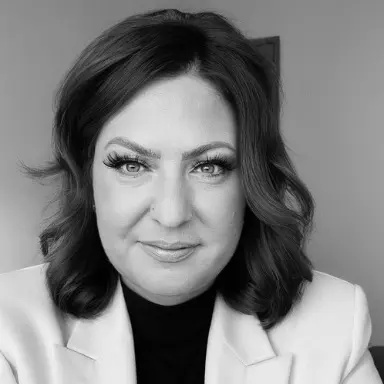
Dr. Erinn Bailey-Sawatzky is a registered clinical counsellor (RCC) and online therapist in Alberta, helping with anxiety, depression, ADHD and couples issues.

Verified by Theralist
Verified and in good standing. Last verified Nov 11, 2026
Verification confirms registration only, not fit or quality of care.
How verification worksRegistered Clinical Counsellor & Certified EMDR Therapist, M.Ed, RCC, CCC
Carole Boivin, a registered clinical counsellor and EMDR therapist in Courtenay, BC, works with anxiety, depression and trauma in English or French.

Verified by Theralist
Verified and in good standing. Last verified Nov 12, 2026
Verification confirms registration only, not fit or quality of care.
How verification worksRegistered Therapeutic Counsellor, Registered Expressive Arts Therapist
Maiya Robbie is a registered expressive arts therapist in Kelowna, British Columbia, using art therapy with teens and adults for anxiety and grief.
Victoria Therapists at a Glance
Number of therapists listed
Average years in practice
Currently accepting new clients
Therapists in Victoria who prioritize treating:
How therapists see their clients
Top therapy approaches used in Victoria:
Frequently Asked Questions About Menopause
How does menopause affect mental health?
Menopause is associated with significant mental health changes for many people. The perimenopause and menopause transition involves hormonal fluctuations that directly affect mood regulation, anxiety, and sleep — common experiences include irritability, mood swings, anxiety, depression, brain fog, and disrupted sleep. For some people, these represent new mental health challenges; for others, pre-existing conditions are significantly worsened during this period. Research suggests that the perimenopause transition is a window of heightened risk for depression, even for people with no prior history.
What does therapy for menopause-related mental health concerns involve?
Therapy during menopause addresses mood and anxiety symptoms, sleep difficulties, the psychological experience of this life transition (including identity, aging, and changing body), and any grief related to fertility or the end of the reproductive phase for people for whom that is significant. It may also address relationship changes, sexual health and libido changes, and navigating medical systems that sometimes dismiss menopause symptoms. CBT for menopausal symptoms, particularly for sleep and mood, has good evidence.
What is the relationship between hormonal changes and mood during menopause?
Estrogen and progesterone influence neurotransmitter systems involved in mood regulation — including serotonin, dopamine, and GABA. The fluctuating and then declining levels of these hormones during perimenopause and menopause directly affect mood stability, anxiety, and sleep architecture. This is why some people who have never experienced significant depression or anxiety find themselves struggling during this transition. The biological basis does not make the experience less real — and does not mean therapy cannot help alongside or instead of hormonal treatment.
Can therapy and hormone therapy (HRT) work together?
Yes — therapy and hormone therapy (HRT or menopausal hormone therapy) address different aspects of the menopause transition and can be used together. HRT addresses the hormonal substrate — reducing hot flashes, improving sleep, and stabilizing mood by addressing the underlying hormonal fluctuations. Therapy addresses the psychological, relational, and life-transition dimensions that hormones alone do not touch. Many people benefit from both; the decision about HRT is a medical one to make with your physician.
How do I find a therapist who understands menopause and mental health?
Not all therapists have specific training in menopause-related mental health, so it is worth asking directly whether they have experience with this area. Therapists who specialize in women's health, midlife transitions, or perinatal mental health often have relevant expertise. Theralist allows you to search by speciality — filtering for women's issues or menopause will show therapists who have identified this as an area of practice.