Compassion Focused Therapists in Victoria, BC

Verified by Theralist
Verified and in good standing. Last verified Nov 12, 2026
Verification confirms registration only, not fit or quality of care.
How verification worksPsychiatric Nurse Practitioner, NP-PHC, ADHD-SP, MScN
Heather Wesselo is a psychiatric nurse practitioner and therapist in Alberta offering online ADHD and autism support for teens and adults.

Verified by Theralist
Verified and in good standing. Last verified Nov 12, 2026
Verification confirms registration only, not fit or quality of care.
How verification worksRegistered Psychotherapist (Qualifying), MACP, BA (she, her)
Emma Hartley is a registered psychotherapist (qualifying) and therapist in Ontario, seeing adults and teens online for anxiety, ADHD and stress.
Verified by Theralist
Verified and in good standing. Last verified Nov 9, 2026
Verification confirms registration only, not fit or quality of care.
How verification worksRegistered Therapeutic Counsellor (Candidate), RTCc
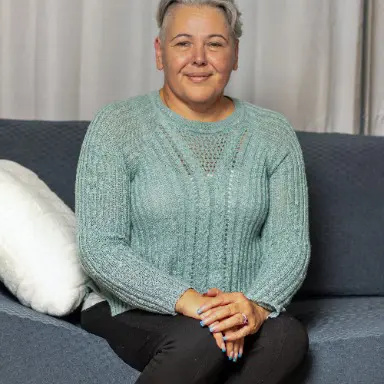
Debbie Airth is a registered therapeutic counsellor candidate (RTCc) and therapist in British Columbia, working with grief, anxiety and depression.

Verified by Theralist
Verified and in good standing. Last verified Nov 11, 2026
Verification confirms registration only, not fit or quality of care.
How verification worksRegistered Psychotherapist (Qualifying)
Emma Laughlan is a qualifying registered psychotherapist and therapist in Ontario who works online with teens and adults on anxiety, using IFS and DBT.

Verified by Theralist
Verified and in good standing. Last verified Nov 5, 2026
Verification confirms registration only, not fit or quality of care.
How verification worksRegistered Psychotherapist
Maya Dousti is a registered psychotherapist and therapist in Ontario who works online with teens and adults on anxiety and trauma.

Verified by Theralist
Verified and in good standing. Last verified Nov 6, 2026
Verification confirms registration only, not fit or quality of care.
How verification worksRegistered Psychotherapist
Annie Szalkai is a registered psychotherapist and online therapist in Ontario, helping adults with anxiety and depression using CBT and DBT.

Verified by Theralist
Verified and in good standing. Last verified Nov 12, 2026
Verification confirms registration only, not fit or quality of care.
How verification worksRegistered Clinical Counsellor, Registered Social Worker, Psychotherapist, MACP, RSW, RCC, CCC
Denise Mansell is a registered clinical counsellor and therapist in Medicine Hat, Alberta, for complex grief, hospice loss, first responders and trauma.

Verified by Theralist
Verified and in good standing. Last verified Nov 11, 2026
Verification confirms registration only, not fit or quality of care.
How verification worksRegistered Psychotherapist (Qualifying)
Emily Griffin is a qualifying registered psychotherapist and online therapist in Ontario who helps teens and adults with anxiety and eating disorders.

Verified by Theralist
Verified and in good standing. Last verified Nov 16, 2026
Verification confirms registration only, not fit or quality of care.
How verification worksCounselling Therapist, RTC • OCD & Anxiety
Sanaa Sanjad is an RTC counselling therapist in Alberta focused on OCD and anxiety, using CBT and ERP with teens and adults online or in person.

Verified by Theralist
Verified and in good standing. Last verified Nov 7, 2026
Verification confirms registration only, not fit or quality of care.
How verification worksRegistered Social Worker (RSW)
Hoi Shuen (Kasey) Chung is a registered social worker and therapist in British Columbia. Works online with teens and adults on anxiety and depression.

Verified by Theralist
Verified and in good standing. Last verified Nov 11, 2026
Verification confirms registration only, not fit or quality of care.
How verification worksRegistered Psychotherapist & Registered Clinical Counsellor
Krista Huyer is a registered psychotherapist and online therapist in British Columbia, working with adult women on trauma and anxiety using Brainspotting.

Verified by Theralist
Verified and in good standing. Last verified Nov 11, 2026
Verification confirms registration only, not fit or quality of care.
How verification worksRegistered Psychotherapist (Qualifying), MACP, ADHD-SP, EMDR, HBSc (she, her)
Maya Awad is a registered psychotherapist (qualifying) and therapist in Ontario who works online with teens, adults and couples on ADHD and anxiety.
Verified by Theralist
Verified and in good standing. Last verified Nov 16, 2026
Verification confirms registration only, not fit or quality of care.
How verification worksRegistered Therapeutic Counsellor (RTC)
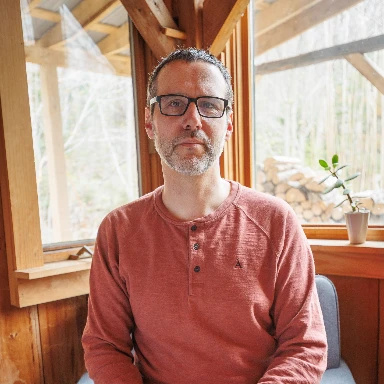
Heron Payne is a registered therapeutic counsellor (RTC) and therapist in British Columbia, working online with adults and elders on trauma and PTSD.

Clinician - Doctoral Student
Kristin Buckley is a clinician, doctoral student and therapist in British Columbia offering online sessions for anxiety and chronic pain with CBT and DBT.

Verified by Theralist
Verified and in good standing. Last verified Nov 12, 2026
Verification confirms registration only, not fit or quality of care.
How verification worksRegistered Psychotherapist (Qualifying)
Abby Tait is a registered psychotherapist (qualifying) and therapist in Ontario who works online with adults on grief and addiction, using ACT and DBT.

Verified by Theralist
Verified and in good standing. Last verified Nov 11, 2026
Verification confirms registration only, not fit or quality of care.
How verification worksRegistered Psychotherapist
Li Li is a registered psychotherapist and therapist in Toronto, Ontario, helping adults with trauma, anxiety, depression and ADHD through EMDR and EFT.

Verified by Theralist
Verified and in good standing. Last verified Nov 17, 2026
Verification confirms registration only, not fit or quality of care.
How verification worksRegistered Psychotherapist (Qualifying)
Mara Behan is an online therapist in Ontario and registered psychotherapist (qualifying) focused on infidelity, divorce and infertility.

Verified by Theralist
Verified and in good standing. Last verified Nov 5, 2026
Verification confirms registration only, not fit or quality of care.
How verification worksRegistered Psychotherapist
Mackenzie Fournier, a registered psychotherapist and therapist in Ontario, works online with teens and adults on anxiety and eating disorders using CBT.

Verified by Theralist
Verified and in good standing. Last verified Nov 11, 2026
Verification confirms registration only, not fit or quality of care.
How verification worksRegistered Psychotherapist (Qualifying), MA, BA
Hope Raine is a registered psychotherapist (qualifying) and therapist in Ontario, seeing adults online for anxiety, ADHD and postpartum concerns.

Verified by Theralist
Verified and in good standing. Last verified Nov 17, 2026
Verification confirms registration only, not fit or quality of care.
How verification worksRegistered Psychotherapist (Qualifying)
Sarah Perone is a registered psychotherapist (qualifying) and therapist in Ontario who works online with couples on infidelity and codependency.
Victoria Therapists at a Glance
Number of therapists listed
Average years in practice
Currently accepting new clients
Therapists in Victoria who prioritize treating:
How therapists see their clients
Top therapy approaches used in Victoria:
Frequently Asked Questions About Compassion Focused
What is Compassion-Focused Therapy (CFT)?
Compassion-Focused Therapy (CFT) is a form of psychotherapy developed by Paul Gilbert that integrates evolutionary psychology, neuroscience, cognitive therapy, and Buddhist psychology. CFT targets what Gilbert identified as a core feature of many people's psychological suffering: intense, chronic shame and self-criticism. It aims to cultivate compassion — for oneself and others — as a means of reducing shame-based suffering, regulating threat-based emotional systems, and activating the soothing-affiliation system associated with warmth, care, and psychological security.
What does CFT treat?
CFT is particularly suited to people with high levels of self-criticism and shame — which are common across depression, anxiety, eating disorders, personality disorders, trauma, and addictions. It was originally developed for people with severe, complex presentations who had not responded adequately to CBT. Research supports its effectiveness for depression, anxiety, eating disorders, and borderline personality disorder. CFT is also used in oncology settings, chronic pain, and with people experiencing psychosis, where self-compassion is an important resource.
What does a CFT session look like?
CFT sessions involve psychoeducation about the evolved nature of our emotional systems (threat, drive, and soothing/affiliation), exploration of how early experiences shaped the person's particular patterns of self-criticism and shame, and practices specifically designed to cultivate the compassionate self — including compassionate imagery (imagining a deeply wise and compassionate figure), compassionate letter writing, and mindfulness practice focused on warmth and care. The emphasis is on experiential rather than purely cognitive work.
Why is self-compassion so important in CFT?
Gilbert's research showed that changing the content of self-critical thoughts (as in CBT) was often insufficient for people with deep shame — because the problem was not just the thoughts but the hostile, contemptuous tone in which they were delivered to oneself. Cultivating a warm, compassionate inner voice — one that responds to one's own pain the way a deeply caring person would — produces psychological change that thought-challenging alone does not. Many people initially find self-compassion very difficult, which is itself part of the therapeutic work.
How long does CFT take?
CFT is typically delivered over 12–20 sessions for focused presentations, but longer-term work is common for complex trauma or personality difficulties. The time needed to establish a compassionate self-relationship and overcome resistance to self-compassion (which is often strong) varies significantly between individuals. CFT can also be integrated into longer-term psychodynamic or CBT work as a specific intervention for shame and self-criticism rather than used as a complete standalone therapy.