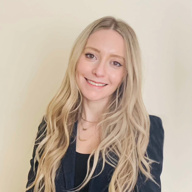
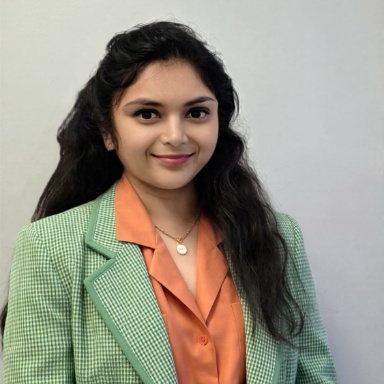
Dr. Ashley Mlotek
Clinical Psychologist
Dr. Ashley Mlotek is a clinical psychologist and therapist in Ontario who works online with adults on anxiety, OCD, stress and relationship issues.
Clinical Psychologist
Dr. Ashley Mlotek is a clinical psychologist and therapist in Ontario who works online with adults on anxiety, OCD, stress and relationship issues.
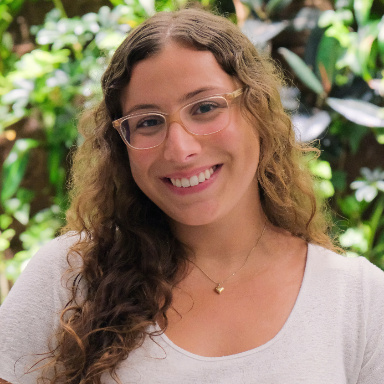
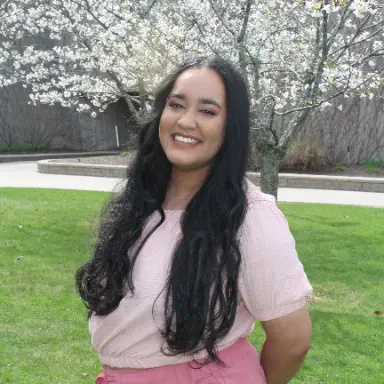
Registered Social Worker, BSW, MSW, RSW
Denise Smith is a registered social worker and therapist in Ontario offering online sessions for adults with anxiety, OCD and relationship issues.
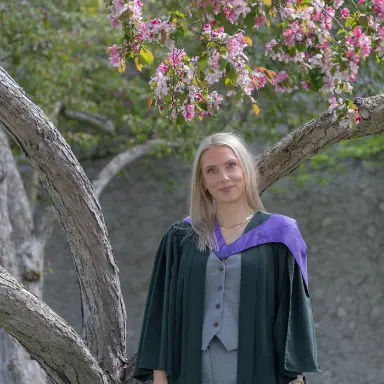
Registered Psychotherapist (Qualifying)
Mackenzie Howard is a registered psychotherapist (qualifying) and online therapist in Ontario, helping with anxiety, depression and stress using CBT.
Registered Social Worker
Lisa Willow is a registered social worker and therapist in British Columbia offering online support for adults with ADHD, anxiety and depression.
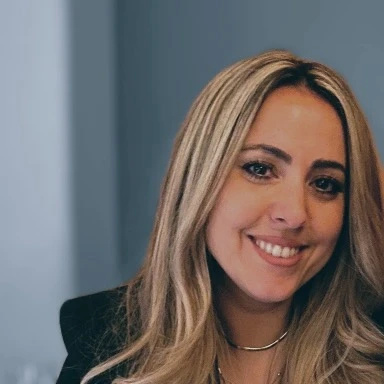
Registered Psychotherapist (Qualifying)
Sophie Cohen is a registered psychotherapist (qualifying) and therapist in Ontario offering online sessions for anxiety, depression and stress.
Registered Psychotherapist
Geneviève Fontaine is a registered psychotherapist and therapist in Ottawa, working with adults on anxiety and trauma, in English or French.
Registered Psychotherapist
Regina Yakubov is a registered psychotherapist and therapist in Ontario offering online sessions for anxiety and depression, in English or Russian.
Registered Psychotherapist
Rosita Ratnarajah is a registered psychotherapist and therapist in Ontario who works online with anxiety, depression and trauma. Tamil is spoken.
Registered Psychotherapist (Qualifying)
Maytal Oziel is a registered psychotherapist (qualifying) and online therapist in Ontario, working with adults on anxiety, depression and grief using CBT.
Registered Psychotherapist (Qualifying)
Namita Patel is a registered psychotherapist (qualifying) and therapist in Ontario offering online sessions for anxiety, depression and grief.
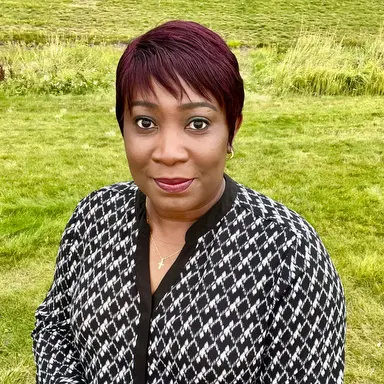
Registered Clinical Social Worker
Jane Chukwujekwu is a registered clinical social worker and therapist in Regina, Saskatchewan, helping teens and adults with anxiety, depression and grief.
Registered Psychotherapist (Qualifying)
Haley Dodd is a registered psychotherapist (qualifying) and online therapist in Ontario for adults with anxiety, depression and stress, using CBT and DBT.
Licensed Counselling Therapist
Sudeshna Ghosh is a licensed counselling therapist in Ontario offering online sessions in English, Hindi and Bengali for anxiety, grief and stress.
Registered Psychotherapist
Ariel Dasrath is a registered psychotherapist and online therapist in Ontario for teens and adults on family conflict and peer relationships.
Registered Psychotherapist
Tracey Ropp is a registered psychotherapist and therapist in Ontario who works with teens and adults on ADHD and anxiety online.
Registered Psychotherapist
Amanda Rout is a registered psychotherapist and therapist in Vaughan, Ontario, who works with adults on anxiety, depression and stress using CBT and ACT.
Registered Psychotherapist (Qualifying)
Abby Tait, a registered psychotherapist (qualifying) and online therapist in British Columbia, works with adults on grief, caregiver burnout and anxiety.
Registered Psychotherapist
Khysandra Lee is a registered psychotherapist and therapist in Ontario who helps adults with anxiety, depression and trauma using CBT and DBT online.
Registered Psychotherapist (Qualifying)
Jordan Best is a registered psychotherapist (qualifying) and therapist in Burlington, Ontario. Helps teens and adults with anxiety and OCD.
Registered Social Worker/ Psychotherapist
Janalyn Dodds is a registered social worker and psychotherapist, a therapist in Ontario, offering online CBT for adults with trauma or depression.
Number of therapists listed
Average years in practice
Currently accepting new clients
Therapists in Mississauga who prioritize treating:
How therapists see their clients
Top therapy approaches used in Mississauga:
Coping skills are the strategies we use to manage stress, difficult emotions, and challenging situations. Some coping strategies are adaptive — exercise, seeking support, problem-solving, mindfulness — while others are maladaptive — avoidance, substance use, self-harm, rumination — providing short-term relief but creating longer-term problems. Therapy focused on coping skills helps you identify which strategies you currently use, understand their effects, and build a broader, more effective toolkit for managing life's difficulties.
DBT is one of the most skills-intensive therapy approaches, explicitly teaching four modules of coping skills: mindfulness, distress tolerance, emotional regulation, and interpersonal effectiveness. CBT builds problem-solving, cognitive restructuring, and behavioural activation skills. ACT develops psychological flexibility. Mindfulness-Based Stress Reduction (MBSR) teaches mindfulness as a core coping tool. Many therapists integrate skills from multiple approaches based on what is most relevant for your specific challenges.
Coping skills work benefits almost anyone experiencing stress, anxiety, depression, emotional dysregulation, or difficult life circumstances. It is particularly valuable for people who feel overwhelmed by their emotions, who rely on avoidance or unhealthy behaviours to get through hard times, who are managing chronic illness or pain, or who are going through significant life transitions. Children and adolescents also benefit greatly from learning coping skills early, before maladaptive patterns become entrenched.
Coping skills address the how of managing distress — the practical tools and strategies. Deeper therapy work addresses the why — the root causes, unresolved experiences, and underlying patterns that create the distress in the first place. Both are important: coping skills provide the stability needed to engage in deeper work, while deeper work reduces the need to rely heavily on coping strategies over time. Many effective treatments integrate both levels.
Coping skills can produce relatively rapid benefits — many people notice improvements in their ability to manage distress within the first few sessions as they begin applying new tools. The key is consistent practice between sessions: skills that are learned but not practised tend to be unavailable in moments of high distress. Most coping-focused therapies are short to medium term, ranging from 6 to 16 sessions, with the option to continue if deeper exploration is indicated.