Sexual Addiction Therapists in Toronto, ON
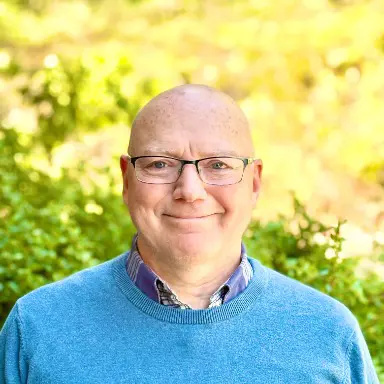
Chris Graham
Professional Counsellor, MPCC-Provisional designation with the Canadian Professional Counsellors Association (CPCA).
I work with pilots and men in high-pressure careers who are navigating anxiety, burnout, identity challenges, or major life transitions. Many of the people I support are looking for counselling that is practical, confidential, and respectful of their professional context. For pilots concerns about career impact, medical implications often create hesitation around seeking support.

Anya Rameshwar
Therapist
In our first session, my priority is our connection. A positive initial connection will help the therapy relationship flourish. Through therapy, we will examine different parts of your life, your memories, past experiences and where you are at present.

Alexander Vasilovsky
Psychologist
Therapy can provide opportunities to reflect on the aspects of your life you’d like to change, as well as to explore new ways of seeing and being seen, of connecting and responding to yourself and others. This sort of change can expose us to feeling vulnerable, so I commend you on your courage to consider this next step.
How do therapists in Toronto, ON compare?
Number of therapists listed
Average years in practice
Currently accepting new clients
Therapists in Toronto, ON who prioritize treating:
How therapists see their clients
Top therapy approaches used in Toronto, ON:
Frequently Asked Questions About Sexual Addiction
What is sexual addiction and is it a recognized condition?
Sexual addiction — also called compulsive sexual behaviour or hypersexual disorder — refers to an ongoing pattern of sexual thoughts, urges, or behaviours that feel out of control and cause significant distress or harm to relationships, work, finances, or wellbeing. While not currently listed in the DSM-5, it is recognized in the ICD-11 as "compulsive sexual behaviour disorder." Debate exists in the clinical field about terminology, but the experience of those affected is real, and effective treatment is available.
What kinds of behaviours does sexual addiction counselling address?
Counselling addresses a range of compulsive sexual behaviours including compulsive pornography use, excessive masturbation, repeated affairs or serial infidelity, compulsive use of sex work, risky sexual encounters, and online sexual behaviour that has become time-consuming and unmanageable. The focus is not on the specific behaviour in isolation but on the compulsive cycle driving it, the underlying emotional needs it serves, and its impact on the person's life and relationships.
What therapy approaches are used for sexual addiction?
CBT is commonly used to identify triggers, interrupt compulsive cycles, and build healthier coping strategies. Trauma-informed therapy is often central, as compulsive sexual behaviour frequently develops as a coping mechanism for unresolved trauma, shame, or attachment wounds. ACT, motivational interviewing, and twelve-step facilitation (Sex Addicts Anonymous, Sex and Love Addicts Anonymous) are also used. Partners who have been betrayed by the behaviour may be included in therapy once the individual has established some stability.
How is sexual addiction different from a healthy interest in sex?
A healthy interest in sex becomes a concern when the behaviour feels compulsive rather than chosen, when it continues despite negative consequences, when it is used to cope with negative emotions rather than to connect and enjoy, and when it causes significant distress or harm. The key markers are loss of control, continued behaviour despite consequences, and the behaviour serving an emotional regulation function. A therapist can help you assess whether what you are experiencing falls into this category.
How long does treatment for sexual addiction take?
Treatment for compulsive sexual behaviour is typically longer-term, particularly when trauma underlies the behaviour. Initial stabilization — interrupting the compulsive cycle and building alternative coping — may occur over the first 3–6 months; deeper trauma work and relapse prevention extend the process further. Many people engage in both individual therapy and peer support groups concurrently. Partners, if involved, often benefit from their own separate therapeutic support.
Related Articles

How to Find a Therapist in Toronto: Your Complete 2026 Guide
Finding the right therapist in Toronto can feel overwhelming. The city has thousands of registered mental health professionals, dozens of therapy approaches, and a wide range of fees. Narrowing things down is hard when you are already struggling. This guide gives you a clear, practical path forward. Whether you are dealing with anxiety, burnout, relationship stress, or just a persistent sense that something feels off, you deserve support that fits your life. Why Toronto Has Unique Mental Heal

How to Find a Therapist in Toronto: Your Complete Guide to Mental Health Support
Find the right therapist in Toronto with our comprehensive guide. Learn about OHIP coverage, private options, specialties, and Toronto-specific resources for mental health support.

Finding Effective ADHD Support in Toronto: A Complete Guide to Resources and Treatment Options
Complete guide to ADHD diagnosis, treatment, and support services in Toronto. Discover public healthcare options, private services, therapy resources, and community support for ADHD management.