Phobias Therapists in Toronto, ON

Kristina Founk
Registered Clinical Hypnotherapist, Counselling Therapist
Hi! I’m Kristina, and I specialize in guiding individuals through the challenges of anxiety, phobias, and panic attacks. I am an ARCH registered clinical hypnotherapist with specialized training in supporting individuals with PTSD/CPTSD. I would be honoured to help you achieve lasting relief through the transformative power of hypnotherapy. Together, we'll embark on a journey towards inner peac...
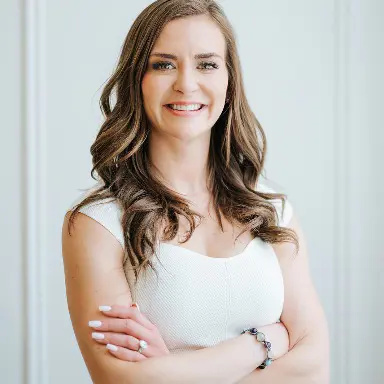
Melilssa Donohue
Registered Social Worker/Psychotherapist
Hi, I’m Melissa — it is lovely to (virtually) meet you. I am a Registered Social Worker and the proud founder of Striving for Synergy Psychotherapy and Counselling Clinic. I offer individual psychotherapy for adults navigating trauma, anxiety, OCD, and attachment-related concerns. If what you read here resonates, I would be more than happy to connect for a free 20-minute consultation call. If yo…
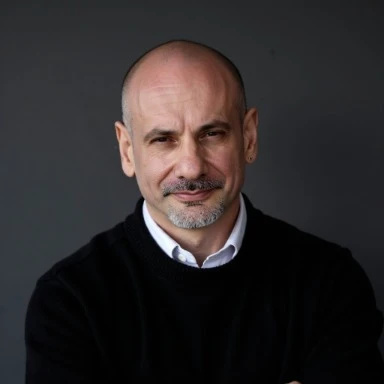
Fanis Makrigiannis
Hypnotherapist
Mind Spirit Body Hypnosis is a virtual practice based in Oshawa, Ontario, serving clients across Ontario and the US. Founded by Fanis Makrigiannis — Certified Hypnotherapist, NLP Master Practitioner & EMDR Practitioner — offering support for anxiety, trauma, weight loss, sleep, confidence, smoking cessation, and habit change. Fully virtual. Ages 10 and up.
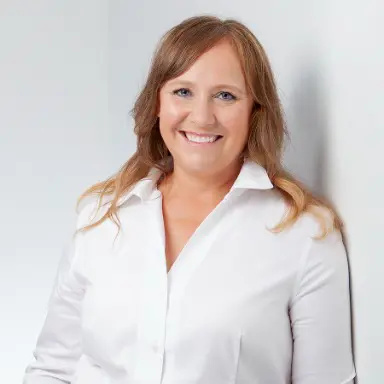
Lori Schledewitz
MACP, RP
A Compassionate Space Psychotherapy uses the principles of ACT (Acceptance and Commitment Therapy) and EMDR (Eye-Movement Desensitization and Reprocessing) to help clients reconnect with their inner voice and strength—supporting their healing and growth while managing anxiety, chronic pain, grief, loss, and traumatic experiences. Therapy is client-centred and compassion-focused.

Jordan Best
Registered Psychotherapist (Qualifying)
Anxiety can make your world feel smaller. Whether you're struggling with OCD, panic, health anxiety, social anxiety, an overwhelming phobia or constant worry, therapy can help you break free from the cycle. I provide compassionate, evidence-based therapy using ERP, CBT, and ACT to help you face fear, build confidence, and reconnect with the life you want to live.

Renata Roma
Registered Psychotherapist (Qualifying)
I offer support for individuals dealing with anxiety, including high-functioning anxiety, OCD, intrusive thoughts, and phobias, including animal-related fears. Many of my clients come in with relationship struggles. I also specialize in pet loss, and anxiety related to pets.
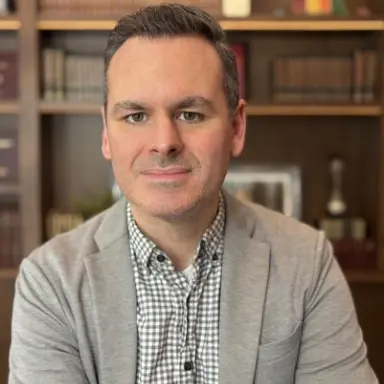
Mike Thibodeau
Registered Clinical Psychologist (PhD)
Dr. Michel (Mike) Thibodeau has helped over a hundred adults with obsessive-compulsive disorder and anxiety-related disorders. He offers efficient treatment using cognitive behavioural therapy and exposure and response prevention guided by current research on best practices. His pragmatic skills-based approach is paired with a collaborative therapeutic style to promote lasting changes.
How do therapists in Toronto, ON compare?
Number of therapists listed
Average years in practice
Currently accepting new clients
Therapists in Toronto, ON who prioritize treating:
How therapists see their clients
Top therapy approaches used in Toronto, ON:
Frequently Asked Questions About Phobias
What is a specific phobia?
A specific phobia is an intense, irrational fear of a particular object, situation, or activity that is out of proportion to any real danger it poses. Common specific phobias include fear of animals (spiders, dogs, snakes), heights, flying, blood or needles, enclosed spaces, vomiting, and the natural environment (storms, water). A phobia becomes a clinical concern when it causes significant distress or limits your life — when you organize your activities around avoiding the feared thing, or when anticipated exposure causes intense anxiety or panic.
How does therapy treat phobias?
Exposure therapy — specifically graduated exposure — is the gold-standard treatment for specific phobias and is among the most effective interventions in all of psychotherapy. The therapist helps you construct a hierarchy of feared situations, from mildly anxiety-provoking to most feared, and guides you through gradual exposure to each level until anxiety decreases. This process teaches the nervous system that the feared object is not actually dangerous. Over time, the fear response extinguishes. Exposure therapy for phobias is not about willpower — it is a structured neurological relearning process.
How quickly do phobias respond to treatment?
Specific phobias are among the most rapidly treatable mental health conditions. Many people with circumscribed specific phobias (as opposed to more complex anxiety disorders) experience substantial relief in just 1–5 sessions of intensive exposure therapy. Even standard weekly therapy typically produces clinically significant improvement within 6–12 sessions. This is in contrast to many other mental health conditions where treatment unfolds over months or years — phobia treatment is an area where focused, evidence-based work can produce dramatic, lasting change quickly.
Can phobia therapy help with blood and needle phobia specifically?
Yes — blood-injection-injury (BII) phobia is common and very treatable, though it requires a slightly modified approach. Unlike most phobias where the physical response is escalating anxiety, BII phobia often causes a vasovagal response (a sudden drop in blood pressure and heart rate that can lead to fainting). Treatment includes a technique called applied tension — deliberately tensing the muscles to raise blood pressure — combined with graduated exposure. This modification makes treatment highly effective and prevents fainting during exposures.
Is medication helpful for phobias?
Medication is not typically recommended as a primary treatment for specific phobias. Benzodiazepines can reduce anxiety in the moment but can also interfere with the extinction learning that makes exposure therapy effective. Therapy alone produces durable change in ways medication cannot. Some people use medication short-term for unavoidable high-stakes exposures (such as dental work or a required flight) while they are building their tolerance through therapy — this decision is made in consultation with a physician.
Related Articles

How to Find a Therapist in Toronto: Your Complete 2026 Guide
Finding the right therapist in Toronto can feel overwhelming. The city has thousands of registered mental health professionals, dozens of therapy approaches, and a wide range of fees. Narrowing things down is hard when you are already struggling. This guide gives you a clear, practical path forward. Whether you are dealing with anxiety, burnout, relationship stress, or just a persistent sense that something feels off, you deserve support that fits your life. Why Toronto Has Unique Mental Heal

How to Find a Therapist in Toronto: Your Complete Guide to Mental Health Support
Find the right therapist in Toronto with our comprehensive guide. Learn about OHIP coverage, private options, specialties, and Toronto-specific resources for mental health support.

Finding Effective ADHD Support in Toronto: A Complete Guide to Resources and Treatment Options
Complete guide to ADHD diagnosis, treatment, and support services in Toronto. Discover public healthcare options, private services, therapy resources, and community support for ADHD management.