Applied Behavioural Analysis (ABA) Therapists in Toronto, ON

Feel Your Way Therapy
Registered Psychotherapist
Feel Your Way Therapy is a Toronto-based psychotherapy clinic offering individual, couples, child, and family therapy. Our diverse team of therapists provides support for anxiety, trauma, ADHD, depression, stress, and relationship issues, using evidence-based approaches in a compassionate and client-centered way.

Katherine McNichol
Registered Psychotherapist
Katherine is a Registered Psychotherapist with 8 years of experience supporting adults, couples, and teens through anxiety, trauma, depression, burnout and relationship issues. Trained in EFT, CBT, and EMDR, she takes a direct and compassionate approach to help clients move from surviving to thriving. She offers virtual psychotherapy across Canada and is current accepting clients.
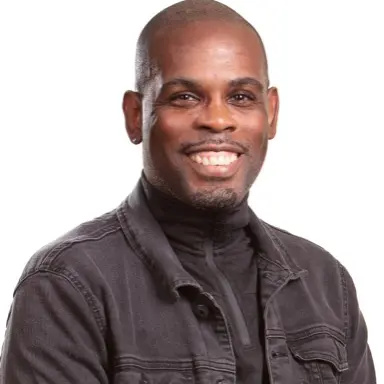
DeRoux Jones
Registered Psychotherapist
I’m DeRoux Jones, a Registered Psychotherapist in Ontario with a Master of Counselling Psychology specializing in Marriage & Family Therapy. I serve individuals, couples, and families, helping with anxiety, depression, grief, relationships, and Christian counselling. My approach is collaborative, evidence-based, and client-centered, creating a safe space for growth and healing.

Paris Moaf
Registered Psychotherapist, M Psy, MSc, RP
As the founder and clinical director of Paris Mind Clinic, Paris Parastoo Moaf specializes in helping clients manage and overcome depression, anxiety, PTSD, emotional disorders, grief, and relationship issues. Using CBT, DBT, MBCT, ACT, EFT, and Adlerian Therapy, Paris Parastoo Moaf tailors sessions to your unique needs.

Bethany Richer
Registered Psychotherapist (Qualifying)
I am a Registered Psychotherapist (Qualifying) who works with individuals navigating challenges such as anxiety, depression, anger, self-esteem, ADHD, emotional regulation, school stress, sleep difficulties, relationship concerns and more. I aim to create a space where clients feel safe, respected, and understood, and where therapy moves at a pace that feels right for them.
How do therapists in Toronto, ON compare?
Number of therapists listed
Average years in practice
Currently accepting new clients
Therapists in Toronto, ON who prioritize treating:
How therapists see their clients
Top therapy approaches used in Toronto, ON:
Frequently Asked Questions About Applied Behavioural Analysis (ABA)
What is Applied Behaviour Analysis (ABA)?
Applied Behaviour Analysis (ABA) is a scientific approach to understanding and changing behaviour, rooted in the principles of learning and conditioning developed by B.F. Skinner and others. It analyzes the relationship between behaviour and the environment — what comes before (antecedents) and after (consequences) a behaviour — to understand why behaviours occur and how to change them. ABA is most commonly used with autistic children to develop communication, social, self-care, and adaptive skills and to reduce behaviours that cause harm or limit functioning.
Who is ABA most commonly used with?
ABA is most widely used with autistic children, and in many Canadian provinces, ABA-based intervention is publicly funded for autistic children under a certain age. It is also used with children and adults with intellectual disabilities, developmental disorders, and other neurodevelopmental conditions. ABA principles are applied in organizational behaviour management, sports coaching, and animal training — but in clinical contexts, the focus is primarily on supporting autistic people and those with developmental disabilities.
What does ABA involve?
ABA involves individualized assessment of the person's skills and needs, identification of target behaviours to increase (communication, social skills, daily living skills) and decrease (self-injurious behaviour, aggressive behaviour), and systematic application of behavioural strategies — including reinforcement of desired behaviours, prompting, shaping, and task analysis — in structured and natural settings. Modern ABA (often called "naturalistic" or "play-based" ABA) emphasizes child-led, positive, and intrinsically motivating approaches rather than rigid drilling.
Is ABA controversial?
ABA is the subject of genuine controversy within the autistic community. Critics — including many autistic adults — argue that historical and some current ABA practices focused on normalizing autistic behaviour (suppressing stimming, enforcing eye contact, compliance training) caused psychological harm and prioritized appearing neurotypical over wellbeing. Proponents argue that modern, naturalistic ABA focused on building meaningful skills and quality of life is genuinely beneficial. Families considering ABA are encouraged to look for approaches that are child-directed, strengths-based, and genuinely focused on the child's wellbeing rather than compliance and normalization.
How do I access ABA services in Canada?
ABA services for autistic children are funded in most Canadian provinces through provincial autism programs — funding levels, eligibility criteria, and wait times vary significantly. Behaviour consultants and behaviour therapists who provide ABA are found in private practice and through agencies. A diagnosis of autism is typically required to access publicly funded ABA in Canada. Board Certified Behaviour Analysts (BCBAs) are the recognized credentialing standard for ABA providers.
Related Articles

How to Find a Therapist in Toronto: Your Complete 2026 Guide
Finding the right therapist in Toronto can feel overwhelming. The city has thousands of registered mental health professionals, dozens of therapy approaches, and a wide range of fees. Narrowing things down is hard when you are already struggling. This guide gives you a clear, practical path forward. Whether you are dealing with anxiety, burnout, relationship stress, or just a persistent sense that something feels off, you deserve support that fits your life. Why Toronto Has Unique Mental Heal

How to Find a Therapist in Toronto: Your Complete Guide to Mental Health Support
Find the right therapist in Toronto with our comprehensive guide. Learn about OHIP coverage, private options, specialties, and Toronto-specific resources for mental health support.

Finding Effective ADHD Support in Toronto: A Complete Guide to Resources and Treatment Options
Complete guide to ADHD diagnosis, treatment, and support services in Toronto. Discover public healthcare options, private services, therapy resources, and community support for ADHD management.