Substance Use Therapists in Toronto, ON
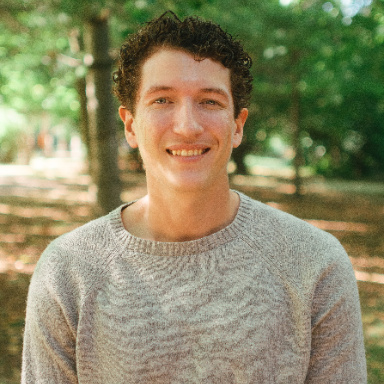
Verified by Theralist
Verified and in good standing. Last verified Nov 8, 2026
Verification confirms registration only, not fit or quality of care.
How verification worksRegistered Psychotherapist (Qualifying)
Parker Willis is a registered psychotherapist (qualifying) and therapist in Brantford, Ontario, working on anxiety, addiction and trauma.

Verified by Theralist
Verified and in good standing. Last verified Nov 11, 2026
Verification confirms registration only, not fit or quality of care.
How verification worksClinical Psychologist
James Watson-Gaze is a clinical psychologist and therapist in Toronto who works with adults on anxiety, depression and OCD using CBT and DBT.

Verified by Theralist
Verified and in good standing. Last verified Nov 16, 2026
Verification confirms registration only, not fit or quality of care.
How verification worksRegistered Psychotherapist
Synthia Satkunarajah is a registered psychotherapist and therapist in Ontario who works online with teens and adults on anxiety and grief.

Verified by Theralist
Verified and in good standing. Last verified Nov 11, 2026
Verification confirms registration only, not fit or quality of care.
How verification worksMSW, RSW
Catherine Sullivan is an RSW and therapist in Ottawa offering trauma therapy with CPT and EMDR for adults, including 2SLGBTQI+ and neurodivergent clients.

Verified by Theralist
Verified and in good standing. Last verified Nov 17, 2026
Verification confirms registration only, not fit or quality of care.
How verification worksPsychologist
Megan Dann is a psychologist and therapist in Toronto, Ontario, working with adults and couples on trauma and PTSD, grief, infertility and chronic pain.
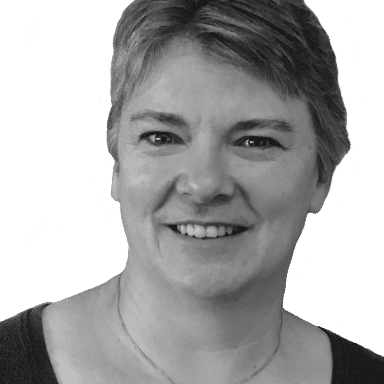
Verified by Theralist
Verified and in good standing. Last verified Nov 12, 2026
Verification confirms registration only, not fit or quality of care.
How verification worksNurse Practitioner
Nathalie Héloïse Graveline is a nurse practitioner and therapist in Ontario who sees teens and adults online for anxiety, depression and substance use.

Verified by Theralist
Verified and in good standing. Last verified Nov 17, 2026
Verification confirms registration only, not fit or quality of care.
How verification worksRegistered Psychotherapist
April Cockshutt is an Ontario therapist and registered psychotherapist who works online with adults on anxiety, depression and trauma in English or French.
Verified by Theralist
Verified and in good standing. Last verified Nov 17, 2026
Verification confirms registration only, not fit or quality of care.
How verification worksPsychologist
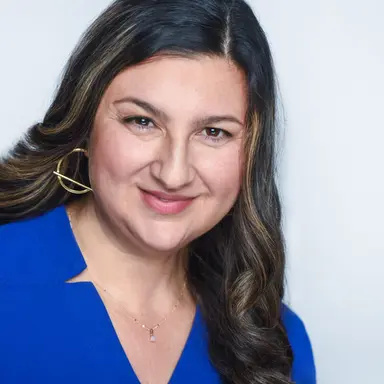
Lila Z. Hakim is a psychologist and therapist in Toronto, Ontario, working with adults, couples and families on grief, trauma and anger.

Verified by Theralist
Verified and in good standing. Last verified Nov 16, 2026
Verification confirms registration only, not fit or quality of care.
How verification worksRegistered Social Worker
Lisa Cross is a registered social worker and therapist in Ontario who works online with anxiety, depression, addiction and anger, using CBT and DBT.

Verified by Theralist
Verified and in good standing. Last verified Nov 12, 2026
Verification confirms registration only, not fit or quality of care.
How verification worksRegistered Psychotherapist (Qualifying)
Abby Tait is a registered psychotherapist (qualifying) and therapist in Ontario who works online with adults on grief and addiction, using ACT and DBT.
Registered Social Worker
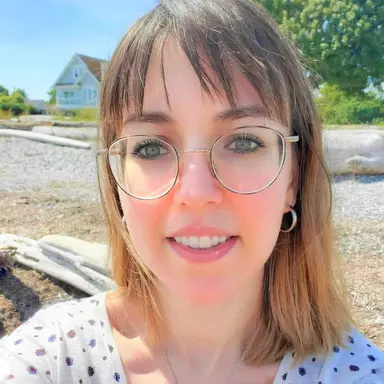
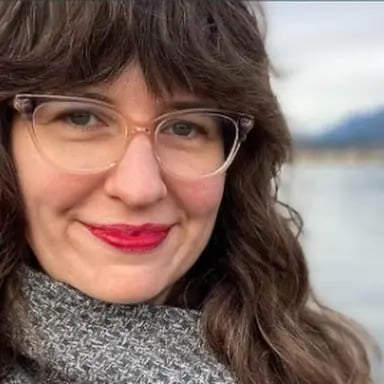
Jessica Kurucz is a registered social worker and therapist in Ontario who works online with adults and couples on anxiety, depression and trauma.
Verified by Theralist
Verified and in good standing. Last verified Nov 5, 2026
Verification confirms registration only, not fit or quality of care.
How verification worksRegistered Social Worker
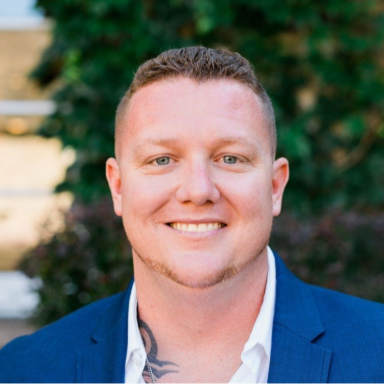
Justine Little is a registered social worker and therapist in Vancouver, BC, supporting 2SLGBTQI+ adults and teens with trauma, anxiety and PTSD.
Verified by Theralist
Verified and in good standing. Last verified Nov 12, 2026
Verification confirms registration only, not fit or quality of care.
How verification worksRegistered Social Service Worker
Scott Menzies is a registered social service worker and therapist in Ontario focused on addiction, anxiety and ADHD, using CBT, DBT and EMDR.

Verified by Theralist
Verified and in good standing. Last verified Nov 9, 2026
Verification confirms registration only, not fit or quality of care.
How verification worksRegistered Psychotherapist, Registered Social Worker
Iryna Dutko is a registered psychotherapist and registered social worker, a therapist in Ontario seeing clients online for anxiety, depression and trauma.
Toronto Therapists at a Glance
Number of therapists listed
Average years in practice
Currently accepting new clients
Therapists in Toronto who prioritize treating:
How therapists see their clients
Top therapy approaches used in Toronto:
Frequently Asked Questions About Substance Use
What is substance use disorder and how does it differ from occasional use?
Substance use disorder is diagnosed when substance use causes significant impairment or distress — affecting work, relationships, health, or safety — and when the person continues using despite these consequences, or has difficulty controlling or stopping use. The DSM-5 conceptualizes substance use on a spectrum from mild to severe, rather than as a binary "addict/not addict." Many people have problematic substance use that causes harm without meeting criteria for full dependence. Therapy is appropriate and beneficial across the full spectrum.
What therapy approaches are most effective for substance use?
Motivational Interviewing (MI) is foundational — it meets people where they are in terms of readiness for change without pressure or confrontation, and strengthens intrinsic motivation. CBT for substance use addresses the triggers, cravings, and thought patterns driving use and builds coping skills. ACT and Mindfulness-Based Relapse Prevention (MBRP) help people change their relationship to cravings. Twelve-step facilitation supports engagement with community programs. For opioid or alcohol use disorder, therapy is often combined with medication-assisted treatment (buprenorphine, naltrexone, methadone) for best outcomes.
Do I have to be abstinent to benefit from therapy for substance use?
No — many effective approaches, including harm reduction therapy, work with people who are actively using or who have not yet committed to abstinence as a goal. Harm reduction recognizes that reducing harm is a valid and meaningful goal, even if abstinence is not immediately achievable or desired. Abstinence-based approaches are also offered, and some people pursue both harm reduction initially and abstinence later. A good therapist will support the goals that align with your values and readiness, without imposing a single pathway.
What is the connection between substance use and mental health?
Substance use and mental health conditions co-occur at very high rates — trauma, anxiety, depression, ADHD, and PTSD are all strongly associated with problematic substance use. Substance use often begins as a way of managing emotional pain, anxiety, or trauma symptoms. Treating only one without addressing the other leads to poorer outcomes. Integrated treatment — addressing both substance use and co-occurring mental health conditions simultaneously — is recognized as best practice. Look for a therapist with experience in both areas.
How long does therapy for substance use typically take?
Recovery from substance use disorder is typically a longer process, often measured in years rather than months — though meaningful change begins earlier. Many people engage in intensive treatment initially (more frequent sessions or day programs) and then step down to weekly therapy and community support. Relapse is a common and often necessary part of the recovery process, not a sign of failure. Long-term engagement with therapy and/or peer support communities significantly improves outcomes.
Related Articles

How to Find a Therapist in Toronto: Your Complete 2026 Guide
A practical guide to finding the right therapist in Toronto. Learn about types of therapists, costs, insurance coverage, and how to use Theralist to find your match.
Theralist Staff · Apr 13, 2026 · 8 min read
How to Find a Therapist in Toronto: Your Complete Guide to Mental Health Support
Find the right therapist in Toronto with our comprehensive guide. Learn about OHIP coverage, private options, specialties, and Toronto-specific resources for mental health support.
Theralist Staff · Sep 6, 2025 · 12 min read

Finding Effective ADHD Support in Toronto: A Complete Guide to Resources and Treatment Options
Complete guide to ADHD diagnosis, treatment, and support services in Toronto. Discover public healthcare options, private services, therapy resources, and community support for ADHD management.
Theralist Staff · Aug 21, 2025 · 19 min read