Positive Psychology Therapists in Toronto, ON

Verified by Theralist
Verified and in good standing. Last verified Nov 12, 2026
Verification confirms registration only, not fit or quality of care.
How verification worksRegistered Psychotherapist
Katelyn Matias is a registered psychotherapist and online therapist in Mississauga, Ontario, who works with couples on attachment and trauma.

Verified by Theralist
Verified and in good standing. Last verified Nov 11, 2026
Verification confirms registration only, not fit or quality of care.
How verification worksRegistered Social Worker
Ritushaa Rajendram is a registered social worker and therapist in Ontario who offers online couples therapy, in English or Tamil.
Verified by Theralist
Verified and in good standing. Last verified Nov 17, 2026
Verification confirms registration only, not fit or quality of care.
How verification worksRegistered Social Worker
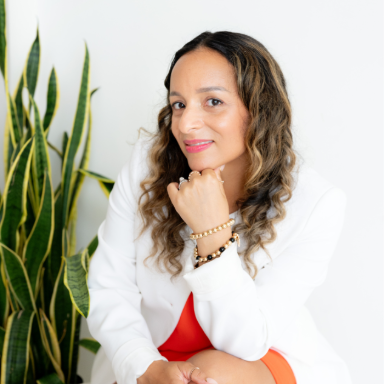
Jodi Tingling is a registered social worker and therapist in Ajax, Ontario, offering in-person career counselling to adults, including BIPOC clients.

Verified by Theralist
Verified and in good standing. Last verified Nov 17, 2026
Verification confirms registration only, not fit or quality of care.
How verification worksRegistered Social Worker
Haley Moore is a registered social worker and therapist in Ontario offering online sessions for anxiety, depression and relationship issues, using CBT and DBT.

Verified by Theralist
Verified and in good standing. Last verified Nov 8, 2026
Verification confirms registration only, not fit or quality of care.
How verification worksRegistered Psychotherapist (Qualifying)
Katherine Koplov is a registered psychotherapist (qualifying) and therapist in Mississauga, Ontario, for anxiety and relationships in English and Russian.

Verified by Theralist
Verified and in good standing. Last verified Nov 5, 2026
Verification confirms registration only, not fit or quality of care.
How verification worksRegistered Psychotherapist
Signy Fridriksson is a registered psychotherapist and therapist in Ottawa, Ontario, offering couples therapy for infidelity and grief counselling.

Verified by Theralist
Verified and in good standing. Last verified Nov 5, 2026
Verification confirms registration only, not fit or quality of care.
How verification worksRegistered Psychotherapist
Johanna Benoit is a registered psychotherapist and online therapist in Ontario, working with frontline workers and with pregnancy and infant loss.

Verified by Theralist
Verified and in good standing. Last verified Nov 11, 2026
Verification confirms registration only, not fit or quality of care.
How verification worksRegistered Psychotherapist (RP)
Shelley Sayle-Udall is a registered psychotherapist (RP) and therapist in Ontario offering online support for trauma, anxiety, grief and family conflict.
Verified by Theralist
Verified and in good standing. Last verified Nov 11, 2026
Verification confirms registration only, not fit or quality of care.
How verification worksRegistered Psychotherapist
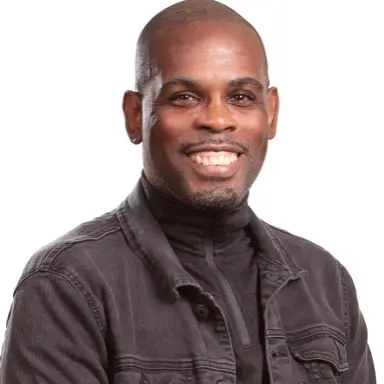
DeRoux Jones is a registered psychotherapist and therapist in Ontario who works with adults and teens on grief, anxiety, depression and divorce.

Verified by Theralist
Verified and in good standing. Last verified Nov 11, 2026
Verification confirms registration only, not fit or quality of care.
How verification worksRegistered Psychotherapist, M Psy, MSc, RP
Paris Moaf is a registered psychotherapist and therapist in Ontario who sees couples and families online for anxiety, depression and anger.
Verified by Theralist
Verified and in good standing. Last verified Nov 11, 2026
Verification confirms registration only, not fit or quality of care.
How verification worksRegistered Psychotherapist (Qualifying)
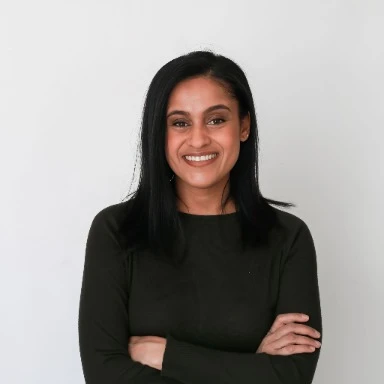
Mandeep Lalli is a registered psychotherapist (qualifying) and online therapist in Ontario, working with BIPOC adults and couples on anxiety and trauma.

Verified by Theralist
Verified and in good standing. Last verified Nov 7, 2026
Verification confirms registration only, not fit or quality of care.
How verification worksRegistered Social Service Worker
Janice Lyons is a registered social service worker and therapist in Guelph, Ontario, working with adults on anxiety and relationship issues.

Verified by Theralist
Verified and in good standing. Last verified Nov 9, 2026
Verification confirms registration only, not fit or quality of care.
How verification worksRegistered Psychotherapist (Qualifying)
Caitlin Kemmett is a registered psychotherapist (qualifying) and therapist in Ottawa, working with couples and individuals on ADHD and relationship issues.

Verified by Theralist
Verified and in good standing. Last verified Nov 11, 2026
Verification confirms registration only, not fit or quality of care.
How verification worksRegistered Psychotherapist
Vrushalee Nachar is a registered psychotherapist and online therapist in Ontario, working with relational trauma and couples.

Registered Psychotherapist
Now + Next Psychotherapy & Neurofeedback: a registered psychotherapist and therapist in Toronto, Ontario, for teens and adults with trauma, ADHD or anxiety.

Verified by Theralist
Verified and in good standing. Last verified Nov 11, 2026
Verification confirms registration only, not fit or quality of care.
How verification worksRegistered Psychotherapist
Tracey Ropp is a registered psychotherapist and therapist in Ontario who works with teens and adults on ADHD and anxiety online.

Verified by Theralist
Verified and in good standing. Last verified Nov 11, 2026
Verification confirms registration only, not fit or quality of care.
How verification worksRegistered Psychotherapist (Qualifying)
Mackenzie Howard is a registered psychotherapist (qualifying) and online therapist in Ontario, helping with anxiety, depression and stress using CBT.

Verified by Theralist
Verified and in good standing. Last verified Nov 11, 2026
Verification confirms registration only, not fit or quality of care.
How verification worksRegistered Psychotherapist (Qualifying)
Anastasia Berezowsky is a qualifying registered psychotherapist and therapist in Toronto, Ontario, seeing teens, adults and couples online or in person.

Verified by Theralist
Verified and in good standing. Last verified Nov 17, 2026
Verification confirms registration only, not fit or quality of care.
How verification worksRegistered Psychotherapist (Qualifying)
Sarah Perone is a registered psychotherapist (qualifying) and therapist in Ontario who works online with couples on infidelity and codependency.

Verified by Theralist
Verified and in good standing. Last verified Nov 5, 2026
Verification confirms registration only, not fit or quality of care.
How verification worksRegistered Psychotherapist
Mackenzie Fournier, a registered psychotherapist and therapist in Ontario, works online with teens and adults on anxiety and eating disorders using CBT.
Toronto Therapists at a Glance
Number of therapists listed
Average years in practice
Currently accepting new clients
Therapists in Toronto who prioritize treating:
How therapists see their clients
Top therapy approaches used in Toronto:
Frequently Asked Questions About Positive Psychology
What is positive psychology and how is it used in therapy?
Positive psychology is the scientific study of what makes life worth living — examining wellbeing, strengths, meaning, engagement, and flourishing rather than focusing exclusively on illness and dysfunction. In therapy, positive psychology principles are applied through Positive Psychotherapy (PPT) and wellbeing-focused interventions that build psychological resources alongside addressing distress. It is not about toxic positivity or ignoring problems; it is about cultivating the positive conditions under which people can heal, grow, and thrive.
How is positive psychology therapy different from traditional approaches?
Traditional therapy tends to focus on identifying and resolving problems — reducing symptoms, challenging distorted thinking, or processing painful experiences. Positive psychology therapy adds a complementary focus: identifying and building on your existing strengths, cultivating positive emotions, developing meaning and purpose, and building relationships that nourish you. Research suggests that building the positive is not just a pleasant add-on but actively accelerates recovery from depression, anxiety, and burnout in ways that deficit-focused therapy alone may not achieve.
What issues is positive psychology well-suited for?
Positive psychology is particularly valuable for depression (where depleted positive affect is central), burnout and recovery from exhaustion, life transitions where identity and meaning are in question, people who are functioning but not flourishing ("languishing"), grief and post-traumatic growth, relationship enrichment, and general personal development. It is often integrated into CBT or other evidence-based approaches rather than used as a standalone therapy, allowing clients to address both symptoms and wellbeing simultaneously.
What does a positive psychology session look like?
Sessions may include identifying and reflecting on your signature character strengths (using validated tools like the VIA Survey), gratitude practices and positive emotion cultivation, exploring what gives your life meaning and purpose, building positive relationships and social connections, reviewing and building on past successes, and setting goals aligned with your values. These are not surface-level exercises — they are delivered in a therapeutic context that holds the full complexity of your experience, including pain, alongside the work of building a life worth living.
Is positive psychology therapy evidence-based?
Yes — positive psychology has a robust research foundation. Positive Psychotherapy (PPT) developed by Martin Seligman and colleagues has demonstrated effectiveness for depression in randomized controlled trials. Specific positive psychology interventions — gratitude exercises, strengths identification, best possible self visualization, and savoring practices — each have independent research support. Many therapists integrate evidence-based positive psychology techniques into broader treatment rather than using it as an exclusive approach.
Related Articles

How to Find a Therapist in Toronto: Your Complete 2026 Guide
A practical guide to finding the right therapist in Toronto. Learn about types of therapists, costs, insurance coverage, and how to use Theralist to find your match.
Theralist Staff · Apr 13, 2026 · 8 min read
How to Find a Therapist in Toronto: Your Complete Guide to Mental Health Support
Find the right therapist in Toronto with our comprehensive guide. Learn about OHIP coverage, private options, specialties, and Toronto-specific resources for mental health support.
Theralist Staff · Sep 6, 2025 · 12 min read

Finding Effective ADHD Support in Toronto: A Complete Guide to Resources and Treatment Options
Complete guide to ADHD diagnosis, treatment, and support services in Toronto. Discover public healthcare options, private services, therapy resources, and community support for ADHD management.
Theralist Staff · Aug 21, 2025 · 19 min read