Coping Skills Therapists in Waterloo, ON
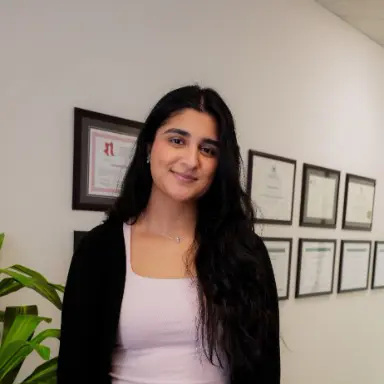
Navkiran Bajwa
Registered Psychotherapist (Qualifying)
Hi! My name is Nav and I am a Registered Psychotherapist (Qualifying) in Ontario! I currently practice in Vaughan and offer in-person & virtual sessions! Feel free to contact me for a free 15 minute consultation to see if I'd be a good fit for your needs!

Monica Natalia
Registered Psychotherapist
Do you constantly judge yourself harshly and worry about how others perceive you? You’re someone who puts everyone else first, making sure the people around you are comfortable and happy. Yet even with all that effort, you still feel anxious, overwhelmed, and never “good enough.” You may hold back from changing because you fear conflict, disappointment, or losing the people you care about. But d…
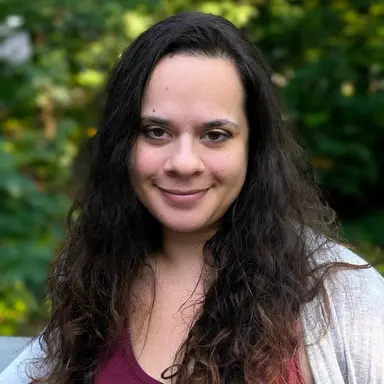
Stephanie Neshcov
Registered Psychotherapist (Qualifying)
ACCEPTING NEW CLIENTS. Hi I’m Steph. I’m a Registered Psychotherapist (Qualifying) with a passion for helping others navigate life’s challenges. I offer virtual services in a confidential space to couples and individuals 16+ years old living in Ontario.

Annie Szalkai
Registered Psychotherapist
I work with adults from diverse backgrounds, supporting those navigating anxiety, stress, and self-esteem challenges. My approach is client-centred and integrative, drawing from CBT, ACT, EFIT, Solution-Focused Therapy, and more to meet each person’s unique needs.
Dr. Ashley Mlotek
Clinical Psychologist
I work with adult clients with a variety of presenting concerns including but not limited to anxiety disorders, obsessive-compulsive disorder, perfectionism, life transitions, and difficulties in interpersonal relationships. I approach therapy within the context of a safe therapeutic relationship based on empathy and compassion. My therapeutic approach draws on several evidence-based modalities...

Maria Yaglovski
Registered Psychotherapist/ Canadian Certified Counsellor
Hi, I’m Maria, a Registered Psychotherapist and Canadian Certified Counsellor. I provide a supportive, non-judgmental space to explore patterns, beliefs, and challenges. Through mindfulness and evidence-based approaches, I help you gain clarity, shift perspective, and create meaningful, lasting change.

Denise Smith
Registered Social Worker, BSW, MSW, RSW
Are you feeling overwhelmed and anxious with balancing work, relationships and/or parenting? Maybe you’re feeling unmotivated, disconnected from yourself and your loved ones and find your mood up and down. You might be struggling with a big life decision or change. It can be difficult to know how to move forward. I’ve been there and I understand how stressful it can be.

Khysandra Lee
Registered Psychotherapist

Lisa Cross
Registered Social Worker
In our work together, I will draw from mindfulness-based strategies, cognitive behavioural therapy (CBT), dialectical behavioural therapy (DBT), motivational interviewing, strengths-based, solution-focused, and various other counselling modalities and techniques in a welcoming, accepting, and supportive environment to help you advance towards your goals.
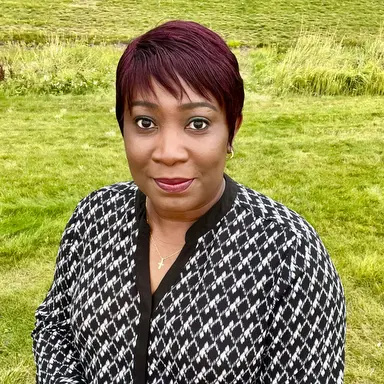
Jane Chukwujekwu, MSW
Registered Clinical Social Worker
"Maintaining a client-centred approach, I meet you where you're at, empowering you to navigate new ways of thinking that lead to a more positive life outlook and improved well-being. I am passionate about creating a safe space where you can reflect and re-evaluate, enabling you to make healthier life choices that will alleviate life stressors, leading to a more balanced and fulfilled life. My p...
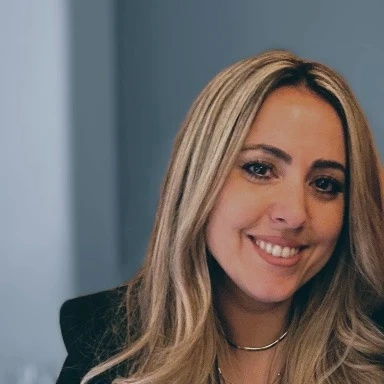
Maytal Oziel
Registered Psychotherapist (Qualifying)
Maytal Oziel is a Registered Psychotherapist (Qualifying) based in Ontario, Canada. Before transitioning to psychotherapy, she spent 20+ years working as a certified teacher, where she developed a deep appreciation for the ways we grow, learn, and navigate challenges throughout our lives.

Zeesy Halpern
Registered Psychotherapist (Qualifying)
I offer low cost therapy, including one free session for adults who are struggling with a range of issues including anxiety, depression, life transitions and experiences of trauma. If you have been feeling like you are going through the motions, unable to change unhelpful patterns and overwhelmed with life's challenges, therapy can help you reconnect with yourself, your goals and what matters.
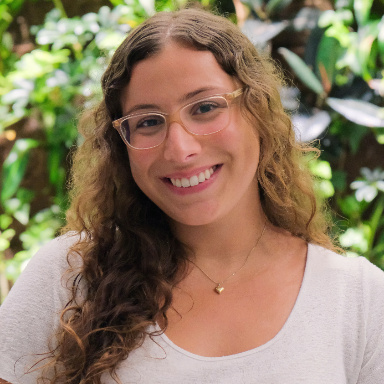
Sophie Cohen
Registered Psychotherapist (Qualifying)
Trauma-informed therapy available virtually

Geoffrey Stone - Glowing Hearts and Minds - Counselling and Psychotherapy
Registered Psychotherapist (Qualifying) - College of Registered Psychotherapists of Ontario
I provide psychotherapy to adults (18+) with stress, grief, depression, anxiety, low self-esteem, anger, trauma, and other issues. I take an integrative approach to psychotherapy, primarily operating from a Person-Centred approach, incorporating Cognitive Behaviour Therapy, Acceptance and Commitment Therapy, Logotherapy, and Mindfulness. I continue to learn new therapies to better help my clients.
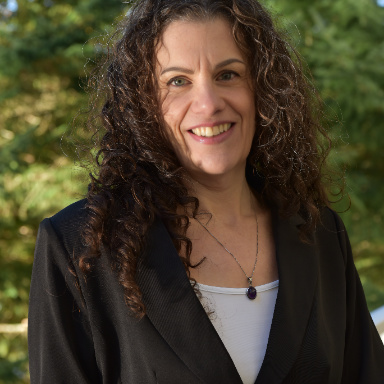
Renee Crossan (she/her)
Registered Social Worker (MSW, RSW)
I know how important it is to find a therapist that who truly understands you. As a trauma-informed therapist, I understand that a strong therapeutic relationship is essential for healing and personal growth. I strive to create a safe and nurturing space where you can openly share your experiences, allowing us to work collaboratively on your journey toward resilience and self-discovery.

Carrin Adoma
Registered Social Worker, Psychotherapist
I’m a trauma-informed Registered Social Worker and psychotherapist with nearly a decade of experience supporting individuals through anxiety, trauma, and life transitions. My approach is eclectic, blending evidence-based therapies with deep empathy and attunement to help clients feel truly seen and supported.

Regina Yakubov
Registered Psychotherapist (Qualifying)
Hi, I’m Regina Yakubov, a Registered Psychotherapist (Qualifying). I understand how challenging it can feel to start therapy, and I strive to create a warm and nonjudgmental space where you feel supported in sharing your experiences at your own pace. My approach is collaborative and flexible, drawing on Cognitive Behavioral Therapy (CBT), Solution-Focused Therapy (SFT), Acceptance and Commitment…
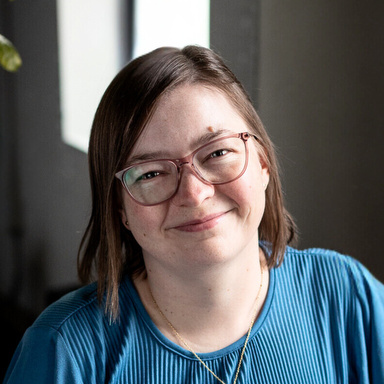
Monika Goetz (she/her)
Registered Social Worker
I support teens and adults struggling with misophonia (sound sensitivity), exploring 2SLGBTIQA+ experiences, anxiety, depression, stress, and more. I'm passionate about using an identity-affirming and weight-inclusive approach that accepts you as you are while supporting you to live the life that you want.

Haley Dodd
Registered Psychotherapist (Qualifying)
Haley is completing her MA in Counselling Psychology at Yorkville University and provides individual psychotherapy as part of her clinical practicum. Her warm, collaborative approach draws on CBT, mindfulness, somatic, and person-centred therapy. She supports clients with anxiety, overthinking, stress, burnout, self-esteem, life transitions, and relationship challenges.

Jordan Best
Registered Psychotherapist (Qualifying)
Anxiety can make your world feel smaller. Whether you're struggling with OCD, panic, health anxiety, social anxiety, an overwhelming phobia or constant worry, therapy can help you break free from the cycle. I provide compassionate, evidence-based therapy using ERP, CBT, and ACT to help you face fear, build confidence, and reconnect with the life you want to live.
How do therapists in Waterloo, ON compare?
Number of therapists listed
Average years in practice
Currently accepting new clients
Therapists in Waterloo, ON who prioritize treating:
How therapists see their clients
Top therapy approaches used in Waterloo, ON:
Frequently Asked Questions About Coping Skills
What are coping skills and why do they matter?
Coping skills are the strategies we use to manage stress, difficult emotions, and challenging situations. Some coping strategies are adaptive — exercise, seeking support, problem-solving, mindfulness — while others are maladaptive — avoidance, substance use, self-harm, rumination — providing short-term relief but creating longer-term problems. Therapy focused on coping skills helps you identify which strategies you currently use, understand their effects, and build a broader, more effective toolkit for managing life's difficulties.
What therapy approaches build coping skills?
DBT is one of the most skills-intensive therapy approaches, explicitly teaching four modules of coping skills: mindfulness, distress tolerance, emotional regulation, and interpersonal effectiveness. CBT builds problem-solving, cognitive restructuring, and behavioural activation skills. ACT develops psychological flexibility. Mindfulness-Based Stress Reduction (MBSR) teaches mindfulness as a core coping tool. Many therapists integrate skills from multiple approaches based on what is most relevant for your specific challenges.
Who benefits most from coping skills therapy?
Coping skills work benefits almost anyone experiencing stress, anxiety, depression, emotional dysregulation, or difficult life circumstances. It is particularly valuable for people who feel overwhelmed by their emotions, who rely on avoidance or unhealthy behaviours to get through hard times, who are managing chronic illness or pain, or who are going through significant life transitions. Children and adolescents also benefit greatly from learning coping skills early, before maladaptive patterns become entrenched.
What is the difference between coping skills and deeper therapy work?
Coping skills address the how of managing distress — the practical tools and strategies. Deeper therapy work addresses the why — the root causes, unresolved experiences, and underlying patterns that create the distress in the first place. Both are important: coping skills provide the stability needed to engage in deeper work, while deeper work reduces the need to rely heavily on coping strategies over time. Many effective treatments integrate both levels.
How quickly can I expect to benefit from coping skills therapy?
Coping skills can produce relatively rapid benefits — many people notice improvements in their ability to manage distress within the first few sessions as they begin applying new tools. The key is consistent practice between sessions: skills that are learned but not practised tend to be unavailable in moments of high distress. Most coping-focused therapies are short to medium term, ranging from 6 to 16 sessions, with the option to continue if deeper exploration is indicated.