Sexual Addiction Therapists in Alberta
View all cities in Alberta

Verified by Theralist
Verified and in good standing. Last verified Nov 12, 2026
Verification confirms registration only, not fit or quality of care.
How verification worksRegistered Psychotherapist
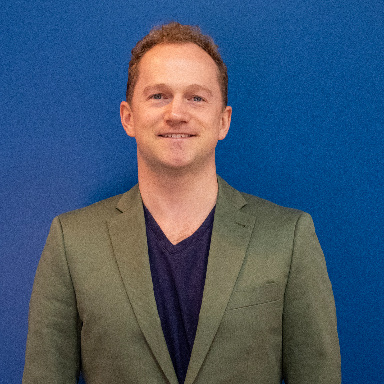
Yuhao Miao is a registered psychotherapist and therapist in Ontario who works with adults on anxiety, ADHD and depression, in English and Mandarin.
Verified by Theralist
Verified and in good standing. Last verified Nov 20, 2026
Verification confirms registration only, not fit or quality of care.
How verification worksRegistered Provisional Psychologist
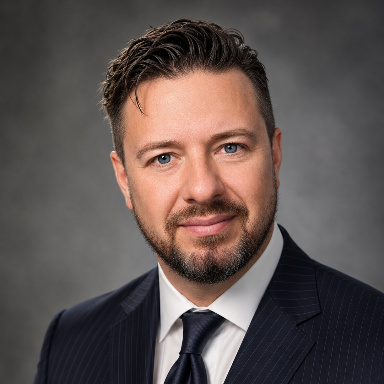
Connor O'Reilly is a registered provisional psychologist and therapist in Edmonton who works with adults on addiction and trauma, using CBT and EMDR.
Verified by Theralist
Verified and in good standing. Last verified Nov 12, 2026
Verification confirms registration only, not fit or quality of care.
How verification worksCounselling Therapist
Robyn Rehman-Stenz is a counselling therapist in Calgary, Alberta, with 18 years in practice, offering CBT for anxiety and ADHD to teens and adults.
Verified by Theralist
Verified and in good standing. Last verified Nov 5, 2026
Verification confirms registration only, not fit or quality of care.
How verification worksProfessional Counsellor, MPCC-Provisional designation with the Canadian Professional Counsellors Association (CPCA).
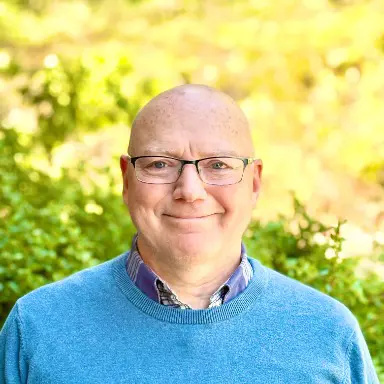
Chris Graham is a professional counsellor and therapist in Cochrane, Alberta, working with adult men and professional pilots online across Canada.
Alberta Therapists at a Glance
Number of therapists listed
Average years in practice
Currently accepting new clients
Therapists in Alberta who prioritize treating:
How therapists see their clients
Top therapy approaches used in Alberta:
Frequently Asked Questions About Sexual Addiction
What is sexual addiction and is it a recognized condition?
Sexual addiction — also called compulsive sexual behaviour or hypersexual disorder — refers to an ongoing pattern of sexual thoughts, urges, or behaviours that feel out of control and cause significant distress or harm to relationships, work, finances, or wellbeing. While not currently listed in the DSM-5, it is recognized in the ICD-11 as "compulsive sexual behaviour disorder." Debate exists in the clinical field about terminology, but the experience of those affected is real, and effective treatment is available.
What kinds of behaviours does sexual addiction counselling address?
Counselling addresses a range of compulsive sexual behaviours including compulsive pornography use, excessive masturbation, repeated affairs or serial infidelity, compulsive use of sex work, risky sexual encounters, and online sexual behaviour that has become time-consuming and unmanageable. The focus is not on the specific behaviour in isolation but on the compulsive cycle driving it, the underlying emotional needs it serves, and its impact on the person's life and relationships.
What therapy approaches are used for sexual addiction?
CBT is commonly used to identify triggers, interrupt compulsive cycles, and build healthier coping strategies. Trauma-informed therapy is often central, as compulsive sexual behaviour frequently develops as a coping mechanism for unresolved trauma, shame, or attachment wounds. ACT, motivational interviewing, and twelve-step facilitation (Sex Addicts Anonymous, Sex and Love Addicts Anonymous) are also used. Partners who have been betrayed by the behaviour may be included in therapy once the individual has established some stability.
How is sexual addiction different from a healthy interest in sex?
A healthy interest in sex becomes a concern when the behaviour feels compulsive rather than chosen, when it continues despite negative consequences, when it is used to cope with negative emotions rather than to connect and enjoy, and when it causes significant distress or harm. The key markers are loss of control, continued behaviour despite consequences, and the behaviour serving an emotional regulation function. A therapist can help you assess whether what you are experiencing falls into this category.
How long does treatment for sexual addiction take?
Treatment for compulsive sexual behaviour is typically longer-term, particularly when trauma underlies the behaviour. Initial stabilization — interrupting the compulsive cycle and building alternative coping — may occur over the first 3–6 months; deeper trauma work and relapse prevention extend the process further. Many people engage in both individual therapy and peer support groups concurrently. Partners, if involved, often benefit from their own separate therapeutic support.