Substance Use Therapists in Alberta
View all cities in Alberta

Verified by Theralist
Verified and in good standing. Last verified Nov 17, 2026
Verification confirms registration only, not fit or quality of care.
How verification worksRegistered Social Worker, RSW, MSW
Rajani Naik is a registered social worker and therapist in Alberta offering online sessions for PTSD, anxiety, depression and relationship issues.

Verified by Theralist
Verified and in good standing. Last verified Nov 5, 2026
Verification confirms registration only, not fit or quality of care.
How verification worksYYC Therapist - NW Calgary
Jen Robson is a social worker and therapist in Calgary, working with teens and adults on anxiety, depression, trauma and PTSD.
Verified by Theralist
Verified and in good standing. Last verified Nov 20, 2026
Verification confirms registration only, not fit or quality of care.
How verification worksRegistered Provisional Psychologist
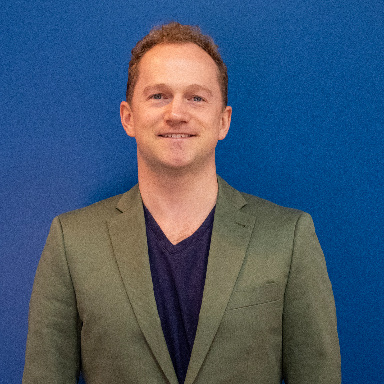
Connor O'Reilly is a registered provisional psychologist and therapist in Edmonton who works with adults on addiction and trauma, using CBT and EMDR.
Verified by Theralist
Verified and in good standing. Last verified Nov 5, 2026
Verification confirms registration only, not fit or quality of care.
How verification worksRegistered Psychologist
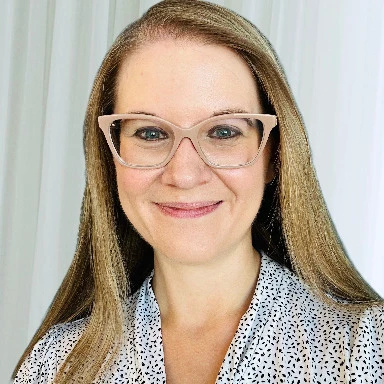
Paige Abbott is a registered psychologist and therapist in Calgary, Alberta, working with adults on substance use, codependency and relationships.

Verified by Theralist
Verified and in good standing. Last verified Nov 5, 2026
Verification confirms registration only, not fit or quality of care.
How verification worksRegistered Social Worker
Justine Little is a registered social worker and therapist in Vancouver, BC, supporting 2SLGBTQI+ adults and teens with trauma, anxiety and PTSD.
Alberta Therapists at a Glance
Number of therapists listed
Average years in practice
Currently accepting new clients
Therapists in Alberta who prioritize treating:
How therapists see their clients
Top therapy approaches used in Alberta:
Frequently Asked Questions About Substance Use
What is substance use disorder and how does it differ from occasional use?
Substance use disorder is diagnosed when substance use causes significant impairment or distress — affecting work, relationships, health, or safety — and when the person continues using despite these consequences, or has difficulty controlling or stopping use. The DSM-5 conceptualizes substance use on a spectrum from mild to severe, rather than as a binary "addict/not addict." Many people have problematic substance use that causes harm without meeting criteria for full dependence. Therapy is appropriate and beneficial across the full spectrum.
What therapy approaches are most effective for substance use?
Motivational Interviewing (MI) is foundational — it meets people where they are in terms of readiness for change without pressure or confrontation, and strengthens intrinsic motivation. CBT for substance use addresses the triggers, cravings, and thought patterns driving use and builds coping skills. ACT and Mindfulness-Based Relapse Prevention (MBRP) help people change their relationship to cravings. Twelve-step facilitation supports engagement with community programs. For opioid or alcohol use disorder, therapy is often combined with medication-assisted treatment (buprenorphine, naltrexone, methadone) for best outcomes.
Do I have to be abstinent to benefit from therapy for substance use?
No — many effective approaches, including harm reduction therapy, work with people who are actively using or who have not yet committed to abstinence as a goal. Harm reduction recognizes that reducing harm is a valid and meaningful goal, even if abstinence is not immediately achievable or desired. Abstinence-based approaches are also offered, and some people pursue both harm reduction initially and abstinence later. A good therapist will support the goals that align with your values and readiness, without imposing a single pathway.
What is the connection between substance use and mental health?
Substance use and mental health conditions co-occur at very high rates — trauma, anxiety, depression, ADHD, and PTSD are all strongly associated with problematic substance use. Substance use often begins as a way of managing emotional pain, anxiety, or trauma symptoms. Treating only one without addressing the other leads to poorer outcomes. Integrated treatment — addressing both substance use and co-occurring mental health conditions simultaneously — is recognized as best practice. Look for a therapist with experience in both areas.
How long does therapy for substance use typically take?
Recovery from substance use disorder is typically a longer process, often measured in years rather than months — though meaningful change begins earlier. Many people engage in intensive treatment initially (more frequent sessions or day programs) and then step down to weekly therapy and community support. Relapse is a common and often necessary part of the recovery process, not a sign of failure. Long-term engagement with therapy and/or peer support communities significantly improves outcomes.