Interpersonal Therapists in Alberta
View all cities in Alberta

Verified by Theralist
Verified and in good standing. Last verified Nov 17, 2026
Verification confirms registration only, not fit or quality of care.
How verification worksRegistered Psychotherapist (Qualifying)
Mara Behan is an online therapist in Ontario and registered psychotherapist (qualifying) focused on infidelity, divorce and infertility.

Verified by Theralist
Verified and in good standing. Last verified Nov 5, 2026
Verification confirms registration only, not fit or quality of care.
How verification worksRegistered Psychologist
Paige Rome is a registered psychologist and therapist in Airdrie, Alberta, working with teens, adults and couples on anxiety, depression and trauma.

Verified by Theralist
Verified and in good standing. Last verified Nov 11, 2026
Verification confirms registration only, not fit or quality of care.
How verification worksRegistered Psychotherapist (Qualifying)
Emily Griffin is a qualifying registered psychotherapist and online therapist in Ontario who helps teens and adults with anxiety and eating disorders.

Holistic Psychotherapist, Hypnotherapist & Transformational Coach
Alexandra Vartosu is an online psychotherapist in Alberta working with adults on anxiety, depression and emotional dysregulation, using DBT and CBT.

Verified by Theralist
Verified and in good standing. Last verified Nov 16, 2026
Verification confirms registration only, not fit or quality of care.
How verification worksCounselling Therapist, RTC • OCD & Anxiety
Sanaa Sanjad is an RTC counselling therapist in Alberta focused on OCD and anxiety, using CBT and ERP with teens and adults online or in person.

Verified by Theralist
Verified and in good standing. Last verified Nov 20, 2026
Verification confirms registration only, not fit or quality of care.
How verification worksRegistered Provisional Psychologist
Melanie Naguib is a registered provisional psychologist and therapist in Edmonton who helps adults with grief, anxiety and depression using CBT, DBT and EMDR.

Verified by Theralist
Verified and in good standing. Last verified Nov 7, 2026
Verification confirms registration only, not fit or quality of care.
How verification worksRegistered Provisional Psychology & Canadian Certified Counsellor
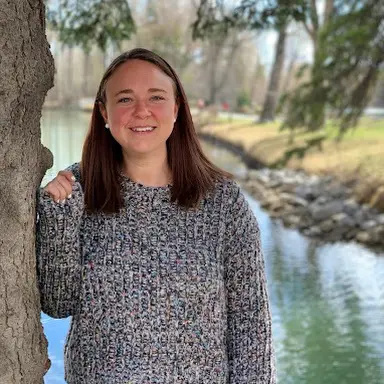
Mely Sio is a Canadian Certified Counsellor and therapist in Calgary, Alberta, offering couples therapy and support for anxiety, depression and trauma.
Verified by Theralist
Verified and in good standing. Last verified Nov 16, 2026
Verification confirms registration only, not fit or quality of care.
How verification worksRegistered Psychologist
Tiffany Warren is a registered psychologist and therapist in Calgary, Alberta, offering CBT and DBT for anxiety, depression, ADHD and trauma.

Verified by Theralist
Verified and in good standing. Last verified Nov 11, 2026
Verification confirms registration only, not fit or quality of care.
How verification worksRegistered Psychotherapist (Qualifying)
Mandeep Lalli is a registered psychotherapist (qualifying) and online therapist in Ontario, working with BIPOC adults and couples on anxiety and trauma.

Verified by Theralist
Verified and in good standing. Last verified Nov 12, 2026
Verification confirms registration only, not fit or quality of care.
How verification worksRegistered Clinical Counsellor, Registered Social Worker, Psychotherapist, MACP, RSW, RCC, CCC
Denise Mansell is a registered clinical counsellor and therapist in Medicine Hat, Alberta, for complex grief, hospice loss, first responders and trauma.

Verified by Theralist
Verified and in good standing. Last verified Nov 12, 2026
Verification confirms registration only, not fit or quality of care.
How verification worksRegistered Social Worker, Mental Health Therapist, Clinical Educator
Teak Daniel is a registered social worker and therapist in British Columbia, specializing in bipolar disorder, depression and anxiety.
Alberta Therapists at a Glance
Number of therapists listed
Average years in practice
Currently accepting new clients
Therapists in Alberta who prioritize treating:
How therapists see their clients
Top therapy approaches used in Alberta:
Frequently Asked Questions About Interpersonal
What is Interpersonal Therapy (IPT)?
Interpersonal Therapy (IPT) is a structured, time-limited psychotherapy developed by Gerald Klerman and Myrna Weissman in the 1970s, originally for depression. It is based on the observation that psychological symptoms occur in an interpersonal context — and that improving the quality of a person's relationships and social functioning produces improvement in symptoms. IPT focuses on four specific interpersonal problem areas: grief and loss, role transitions (life changes), role disputes (conflicts in key relationships), and interpersonal deficits (social isolation or difficulty forming relationships).
What conditions does IPT treat?
IPT has strong evidence for major depression (comparable to CBT and antidepressants), postpartum depression, bipolar disorder (as maintenance therapy), bulimia nervosa, and social anxiety. It has been adapted for adolescents (IPT-A), the elderly, people with HIV/AIDS, and diverse cultural populations. IPT is recommended as a first-line treatment for depression by major clinical guidelines including those of the American Psychological Association and National Institute for Health and Care Excellence (NICE).
What does IPT involve?
Standard IPT is delivered over 12–16 sessions in three phases. The initial phase (sessions 1–3) involves assessment, psychoeducation about depression, completing an "interpersonal inventory" (mapping key relationships), and identifying the primary focus area. The middle phase works on the identified interpersonal problem area using specific strategies — communication analysis, role-playing, exploring options, and improving social support. The termination phase consolidates gains and prepares for managing future difficulties.
How is IPT different from other depression treatments?
CBT focuses on the relationship between thoughts, feelings, and behaviour. Psychodynamic therapy explores unconscious patterns and past relationships. IPT has a narrower, specific focus on current interpersonal functioning and its connection to mood. IPT does not explore early childhood experiences in depth or seek to change cognitive patterns — its focus is on improving current relationships and functioning in real-world social contexts. This makes it particularly practical and accessible for people who want concrete help with their current relationship situation.
Who is IPT best suited for?
IPT is particularly well-suited for people whose depression or other symptoms are clearly linked to a specific interpersonal event or challenge — a bereavement, a major role transition (new parent, retirement, job loss), a significant conflict in a key relationship, or social isolation. It is a good fit for people who prefer a practical, focused approach and are comfortable talking about their relationships directly. It may be less suited to people with complex trauma histories, personality difficulties, or those who want open-ended exploration of their inner life.