Martha Li
Registered Psychotherapist
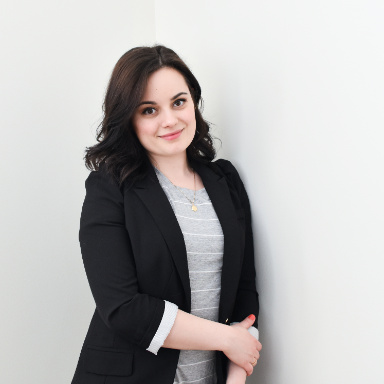
Martha Li is a registered psychotherapist and therapist in Ontario, working online with adults and elders on anxiety, depression and relationship issues.
Registered Psychotherapist
Martha Li is a registered psychotherapist and therapist in Ontario, working online with adults and elders on anxiety, depression and relationship issues.
Registered Psychotherapist (Qualifying)
Michaela DeSimone is a registered psychotherapist (qualifying) and therapist in Oakville, Ontario, working on anxiety, ADHD, relationships and school issues.
Registered Psychotherapist
Annie Szalkai is a registered psychotherapist and online therapist in Ontario, helping adults with anxiety and depression using CBT and DBT.
Registered Psychotherapist (Qualifying)
Mikyla Balicki is a qualifying registered psychotherapist and therapist in St. Catharines, Ontario, helping teens and adults with anxiety and ADHD.
Registered Psychotherapist
Cassandra Tennriello, a registered psychotherapist and online therapist in Ontario, works with anxiety, trauma, PTSD and codependency using CBT and DBT.
Student Therapist
Joshua Dhanaraj is a student therapist in Calgary, Alberta, offering CBT for anxiety and grief to teens, adults and seniors, in person or online.
Registered Psychotherapist
Mehek Somani is a registered psychotherapist and therapist in Ontario who works online with adults from BIPOC and immigrant communities.
Registered Psychotherapist (Qualifying), Naturopath
Margot Hovey is a Montreal therapist and registered psychotherapist (qualifying) helping adults, seniors and families with anxiety and depression.
Registered Psychotherapist(Q)
Hanadi Dar is a registered psychotherapist (qualifying) and therapist in Oakville, Ontario, working with anxiety, trauma, depression and ADHD.
Registered Psychotherapist, Clinical Supervisor & Traumatologist
Alysha Bernstein is a registered psychotherapist and therapist in Toronto, working with anxiety, trauma and PTSD, and couples using the Gottman Method.
Registered Psychotherapist
Laura Atkinson is a registered psychotherapist and therapist in Oakville, Ontario, helping adults with anxiety, anger management and ADHD, in person or online.
Registered Psychotherapist (Qualifying)
Abby Tait is a registered psychotherapist (qualifying) and therapist in Ontario who works online with adults on grief and addiction, using ACT and DBT.
Registered Psychotherapist
Aseel Al-Saheb is a registered psychotherapist and therapist in Ontario working online with adults and couples on anxiety and trauma in Arabic and English.
Registered Psychotherapist, CCC, RD
Sophia Wolsfeld, a registered psychotherapist and therapist in Saskatchewan, offers online trauma therapy for adults facing infidelity or domestic abuse.
Registered Psychotherapist
Laura Clarke is a registered psychotherapist and therapist in Mississauga, Ontario, working with anxiety, depression and relationship issues.
Registered Psychotherapist / Psychothérapeute autorisée
Rachelle Trudel, a registered psychotherapist and online therapist in Ontario, works with adults on anxiety, depression and family conflict.
Registered Psychotherapist (Qualifying)
Tina Pirvali is a registered psychotherapist (qualifying) in Ontario offering online couples therapy and therapy for infidelity in English and Farsi.
Registered Psychotherapist
Jillian Ivany is a registered psychotherapist and therapist in Burlington and online across Ontario, focusing on grief, trauma and PTSD.
Registered Psychotherapist (Qualifying), BA, PsiChi
Amelia Traer is a registered psychotherapist (qualifying) and therapist in Ontario who works online with ADHD, anxiety, OCD and depression using CBT and DBT.
Registered Psychotherapist
Natalie Demian is a registered psychotherapist and online therapist in Ontario supporting adults with grief, caregiver issues and anxiety.
Number of therapists listed
Average years in practice
Currently accepting new clients
Therapists in Ajax who prioritize treating:
How therapists see their clients
Top therapy approaches used in Ajax:
Attachment-based therapy draws on attachment theory — the framework developed by John Bowlby describing how early relationships with caregivers shape our emotional development and patterns of relating throughout life. Therapists using this approach help clients understand how early attachment experiences influence their current relationships, emotional responses, and sense of self, and work to develop more secure ways of connecting with others.
Research identifies four primary adult attachment styles: secure (comfortable with closeness and able to depend on others), anxious or preoccupied (craving closeness but fearful of abandonment), avoidant or dismissive (valuing independence and uncomfortable with emotional intimacy), and disorganized (a mix of longing for and fear of closeness, often related to trauma or frightening caregiving). These styles, while developed in childhood, can shift and become more secure through therapy and healthy relationships.
Attachment-based therapy is particularly effective for relationship difficulties, anxiety, depression, trauma, grief, and personality concerns that have roots in early caregiving. It is widely used for adults who experienced neglect, emotional unavailability, abuse, or significant loss in childhood. It also supports people struggling with patterns like fear of abandonment, difficulty trusting others, chronic loneliness, or self-sabotage in relationships.
In attachment-based therapy, the relationship between therapist and client is itself a therapeutic tool. The therapist provides a consistent, attuned, and safe relational experience — often described as a "corrective emotional experience" — that can help rewire attachment patterns developed in less secure early environments. Over time, this relationship models what secure connection feels like and helps clients internalize a more stable sense of safety with others.
Attachment-based therapy is typically longer-term, often ranging from one to several years, because it works with deep-rooted patterns developed over a lifetime of relational experience. Some people benefit from shorter courses of attachment-informed work for specific relationship concerns. The therapeutic relationship itself is central to the healing process, which means pace and depth are determined in collaboration with your therapist based on your history and goals.