Narrative Therapists in Hamilton, ON
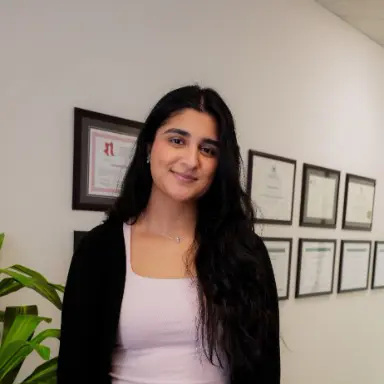
Navkiran Bajwa
Registered Psychotherapist (Qualifying)
Hi! My name is Nav and I am a Registered Psychotherapist (Qualifying) in Ontario! I currently practice in Vaughan and offer in-person & virtual sessions! Feel free to contact me for a free 15 minute consultation to see if I'd be a good fit for your needs!

Carla Barbosa
Registered Social Worker
I’m a bilingual psychotherapist (English | Portuguese) offering LGBTQ+ and neurodivergent-affirming therapy for adults navigating autism, ADHD, burnout, and identity exploration. I integrate compassion, cultural awareness, and evidence-based care to help clients feel seen and empowered across life’s transitions.

Monica Natalia
Registered Psychotherapist
Do you constantly judge yourself harshly and worry about how others perceive you? You’re someone who puts everyone else first, making sure the people around you are comfortable and happy. Yet even with all that effort, you still feel anxious, overwhelmed, and never “good enough.” You may hold back from changing because you fear conflict, disappointment, or losing the people you care about. But d…

Mehek Somani
Registered Psychotherapist
Hi there! I'm Mehek. I'm glad you're here! I specialize in burnout, stress, people-pleasing, self-esteem and relationship issues, intergenerational trauma for POC and immigrant communities. Using an emotionally focused, attachment-based, IFS, DBT, trauma informed and culturally sensitive approaches, I offer online therapy across Ontario (Mon-Wed).

Annie Szalkai
Registered Psychotherapist
I work with adults from diverse backgrounds, supporting those navigating anxiety, stress, and self-esteem challenges. My approach is client-centred and integrative, drawing from CBT, ACT, EFIT, Solution-Focused Therapy, and more to meet each person’s unique needs.

Mala Dorai
Therapist Intern
I offer a collaborative, trauma-informed therapy space for adults, couples, and families navigating anxiety, burnout, trauma, neurodivergence (including ADHD/autism), grief, and life transitions. Grounded in neuroscience and cultural humility, my work integrates mind, body, and environment, with gentle structure, practical tools, and care for meaningful growth.
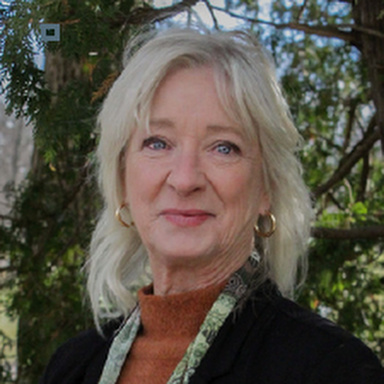
Christine McCarthy
Registered Psychotherapist-Qualifying, MACP, MScEd, R.N.MH.
As a Registered Psychotherapist (Qualifying), I offer compassionate support emphasizing resilience. My background in Healthcare, Education, and life transitions helps clients navigate change and growth. I use person-centered methods like compassion-focused therapy, mindfulness, CBT, and more, tailoring approaches to individual needs. Contact me to start your healing journey.

Meredith Bailey
Registered Psychotherapist
I believe that as a therapist, it is a privilege to be invited into another person’s life & one I never take lightly. Reaching out for support may feel overwhelming, & the task of finding the right person for you can be daunting. I want to assure you this is a safe space, & my primary objective is YOU finding the right person for YOU. Your confidence in that decision is extremely important to me.

Zarifa Andani
MPCC-P, RTC-C
This work isn’t about fixing your parts—it’s about helping you feel more like your whole self again. We can work together to slow down, get curious, and listen deeply. Our internal body wisdom is an integral source of information that speaks more significantly than words. Real change is possible when ALL of you feels safe enough to be seen and supported, just as you are.

Erin Ibrahim
Registered Psychotherapist (Qualifying), MACP, EMDR, ADHD-CCSP, BA
Whether you’re dealing with anxiety, relationship stress, self-esteem struggles, or just feeling stuck, we can work through it together. Pulling from a variety of frameworks to instead suit your unique needs instead of making it feel one-size-fits-all, I have interest in anxiety, depression, relationships, attachment, neurodiversity, and self-esteem. I look forward to connecting!

Chris Graham
Professional Counsellor, MPCC-Provisional designation with the Canadian Professional Counsellors Association (CPCA).
I work with pilots and men in high-pressure careers who are navigating anxiety, burnout, identity challenges, or major life transitions. Many of the people I support are looking for counselling that is practical, confidential, and respectful of their professional context. For pilots concerns about career impact, medical implications often create hesitation around seeking support.

Caroline D Souza
Registered Psychotherapist (Qualifying)
I am a Registered Psychotherapist (Qualifying) with over six years of experience supporting individuals across hospital, school, community, and outpatient mental health settings. I believe therapy should feel like a space where you can slow down, feel genuinely heard, and explore your experiences without judgment.

Katherine Koplov
Registered Psychotherapist (Qualifying)
A second-generation psychotherapist with lived experience as an immigrant, corporate leader, and survivor of relational trauma, I bring a compassionate, culturally attuned, and trauma-informed lens. My integrative approach draws on Mindfulness, Somatic Therapy, EFT, IFS, Polyvagal-informed approaches, Narrative Therapy, DBT, CBT, and SFBT to foster meaningful and lasting change.
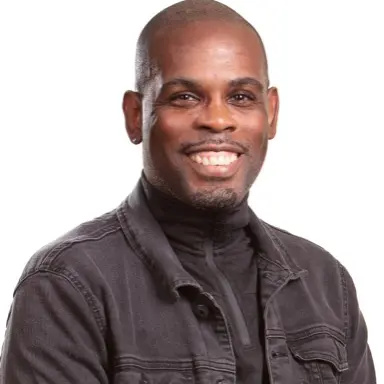
DeRoux Jones
Registered Psychotherapist
I’m DeRoux Jones, a Registered Psychotherapist in Ontario with a Master of Counselling Psychology specializing in Marriage & Family Therapy. I serve individuals, couples, and families, helping with anxiety, depression, grief, relationships, and Christian counselling. My approach is collaborative, evidence-based, and client-centered, creating a safe space for growth and healing.

Laura Clarke
Registered Psychotherapist
I’m a registered psychotherapist supporting individuals who feel stuck in patterns of self-doubt, emotional overwhelm, or disconnection in their relationships. My approach is warm, grounded, and conversational - integrating Narrative Therapy, EFT, Somatic, and Trauma-Informed practices to nurture safety, awareness, and sustainable change. Complimentary consultations available.
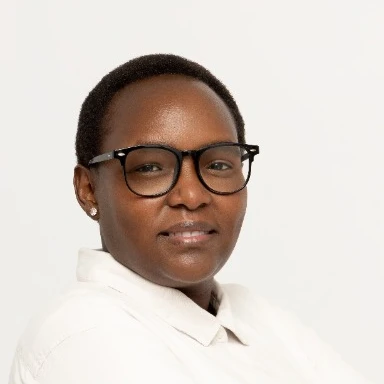
Josephine Loko
Registered Psychotherapist (Qualifying)
Feeling overwhelmed, anxious, or stuck? You may be navigating grief, relationship struggles, burnout, or a major life transition. I offer adults and couples a space to slow down, feel heard, and make sense of what you’re going through. As an immigrant, I also understand the challenges of balancing cultural values with life in Canada.

Rae Jardine
MA, RSSW, CC-PMH
I'm currently accepting new virtual clients in Ontario as well as in-person clients in Toronto with immediate availability and no waitlist, including limited sliding scale spaces. 2SLGBTQQIA+, Neurodivergence, Trauma, Perinatal

Sophie Cohen
Registered Psychotherapist (Qualifying)
Trauma-informed therapy available virtually

Mackenzie Fournier
Registered Psychotherapist
Hi, I’m Mackenzie! I’m a Psychotherapist who loves keeping therapy real, down-to-earth, and practical. I help people untangle patterns around anxiety, food, and self-trust using tools grounded in science. In sessions, I bring my authentic self—you can expect a mix of support, guidance, and maybe a little humour when it feels right—so we can tackle challenges together without the extra pressure.
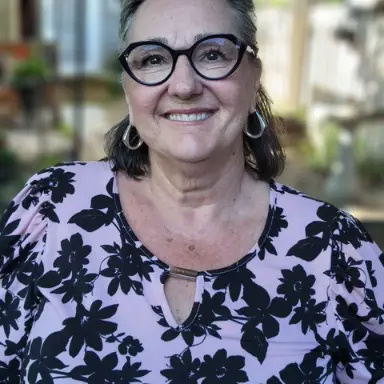
Siobhan McCarthy, MSW, RSW
Registered Individual and Family Therapist , Clinical Consultant
If you feel that you are not living your best life, your relationships are not what you hoped they would be, or the conflict in your life is not going away, perhaps it is time to talk to someone about it. Starting counselling is a brave first step and I will be there to support you through this process. Additionally, I provide supervision to Social Workers in Private Practice.
How do therapists in Hamilton, ON compare?
Number of therapists listed
Average years in practice
Currently accepting new clients
Therapists in Hamilton, ON who prioritize treating:
How therapists see their clients
Top therapy approaches used in Hamilton, ON:
Frequently Asked Questions About Narrative
What is narrative therapy?
Narrative therapy, developed by Michael White and David Epston, is based on the idea that people understand their lives through stories — and that the stories we tell about ourselves profoundly shape our identity, our possibilities, and our wellbeing. When life stories become dominated by problems, loss, and negative self-description ("I am depressed," "I am a failure"), narrative therapy helps people examine those stories, notice their limits, and begin writing richer, more empowering accounts of who they are. The approach is deeply respectful of the person and explicitly attentive to social and political context.
What is "externalizing" in narrative therapy?
Externalizing is one of narrative therapy's core practices: it separates the problem from the person. Rather than "I am anxious," narrative therapy might speak of "Anxiety" as something that visits you, has an influence on you, and that you have a relationship with — rather than something you are. This linguistic shift creates space to examine how the problem operates, when it has more and less influence, and what your preferences are in relation to it. Externalizing is particularly helpful with children, who respond well to the idea that "the problem is the problem, not the person."
What issues does narrative therapy address?
Narrative therapy is used for depression, anxiety, trauma, grief, eating difficulties, relationship concerns, and identity questions. It is particularly well-suited for work with people whose identities have been shaped by marginalization — Indigenous clients, racialized individuals, people with disabilities, LGBTQ2S+ people — because it explicitly names the social and cultural forces that produce problem-saturated stories and refuses to locate problems solely inside individuals. It is often used with families and groups, not just individuals.
What does a narrative therapy session look like?
Narrative therapists ask curious, open questions that explore the influence of the problem, the history of your relationship with it, and the moments when things were different — "unique outcomes" or "sparkling moments" that contradict the dominant problem story. They help you identify values and commitments that have guided you, and use these as material for constructing an alternative, preferred story of your identity. Narrative therapists sometimes write therapeutic letters summarizing these discoveries, which clients report as among the most meaningful elements of the process.
How long does narrative therapy take?
Narrative therapy does not have a fixed session model — it adapts to the person and the presenting concerns. Some people find clarity in a handful of sessions; others engage in longer-term narrative work, particularly when identity reconstruction after trauma or marginalization is central. Narrative therapy can also be used in a single consultation format. Many therapists integrate narrative practices within a broader repertoire rather than as a standalone approach, drawing on the powerful practices of externalization and re-authoring when they are most applicable.