Psychodynamic Therapists in Hamilton, ON
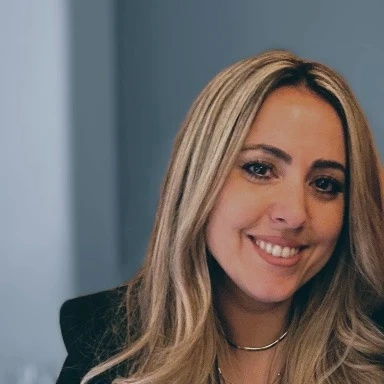
Maytal Oziel
Registered Psychotherapist (Qualifying)
Maytal Oziel is a Registered Psychotherapist (Qualifying) based in Ontario, Canada. Before transitioning to psychotherapy, she spent 20+ years working as a certified teacher, where she developed a deep appreciation for the ways we grow, learn, and navigate challenges throughout our lives.
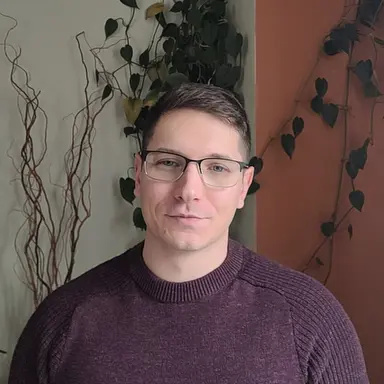
Casper Watras
Registered Psychotherapist
I work with motivated individuals who are looking to work towards better understanding, dealing with, and changing their lives. Clients of mine often have behaviours, thoughts, feelings, or emotions that are dysfunctional or cause them discomfort, such as feeling anxious, depressed, frustrated, reactive, or scattered. Many of my clients have difficulty with behaviours they feel they have no contr…
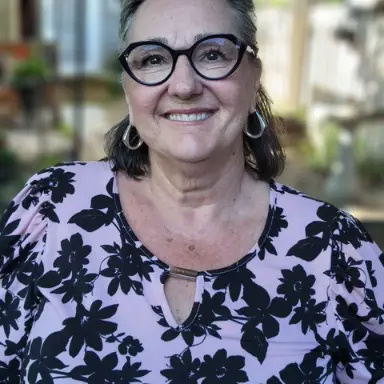
Siobhan McCarthy, MSW, RSW
Registered Individual and Family Therapist , Clinical Consultant
If you feel that you are not living your best life, your relationships are not what you hoped they would be, or the conflict in your life is not going away, perhaps it is time to talk to someone about it. Starting counselling is a brave first step and I will be there to support you through this process. Additionally, I provide supervision to Social Workers in Private Practice.

Zarifa Andani
MPCC-P, RTC-C
This work isn’t about fixing your parts—it’s about helping you feel more like your whole self again. We can work together to slow down, get curious, and listen deeply. Our internal body wisdom is an integral source of information that speaks more significantly than words. Real change is possible when ALL of you feels safe enough to be seen and supported, just as you are.

Johanna Benoit
Registered Psychotherapist
NIHB provider, specializing in CPTSD and trauma, perinatal grief and loss, PTSD, anxiety, depression and borderline personality disorder.

Geneviève Fontaine
Registered Psychotherapist
Hi, I'm Geneviève! I offer individual counselling and psychotherapy for adults. My approach to therapy is guided by the belief that every individual deserves meaningful human connection: to be seen, to be heard, and to be acknowledged. As a queer therapist, my role is to provide guidance, support, and practical tools that empower individuals to make choices that enhance their well-being.

Sydney Tricand
Registered Psychotherapist
Are you navigating the tender seasons of family building, pregnancy, postpartum, or early parenthood? You might feel overwhelmed, unlike yourself, or wonder if you’re experiencing postpartum anxiety or depression. A tough birth, NICU stay, feeding issues, or grief may have shaken your sense of self, body, or relationships. Are you hoping to feel more seen and understood in this vulnerable time?
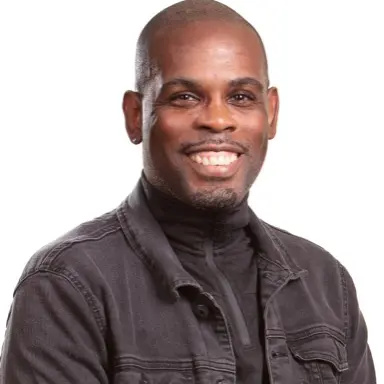
DeRoux Jones
Registered Psychotherapist
I’m DeRoux Jones, a Registered Psychotherapist in Ontario with a Master of Counselling Psychology specializing in Marriage & Family Therapy. I serve individuals, couples, and families, helping with anxiety, depression, grief, relationships, and Christian counselling. My approach is collaborative, evidence-based, and client-centered, creating a safe space for growth and healing.

Teodora Kostadinovska
Registered Psychotherapist (Qualifying)
I am dedicated to supporting youth, adults, and couples who may be feeling stuck, overwhelmed, or uncertain about their next steps in life. Reaching out for support can be a vulnerable and courageous decision, and my goal is to create a space where you feel safe, heard, and understood. Therapy is a journey, and I am here to offer a steady hand as you move toward growth and greater well-being.

Josephine Loko
Registered Psychotherapist (Qualifying)
Feeling overwhelmed, anxious, or stuck? You may be navigating grief, relationship struggles, burnout, or a major life transition. I offer adults and couples a space to slow down, feel heard, and make sense of what you’re going through. As an immigrant, I also understand the challenges of balancing cultural values with life in Canada.

Sophie Cohen
Registered Psychotherapist (Qualifying)
Trauma-informed therapy available virtually

Ivana Stanic
Registered Social Worker
I'm Ivana Stanic, MSW, RSW, offering individual and couples therapy for anxiety, trauma, ADHD, and relationship patterns including communication, trust, emotional connection, and life transitions. My approach draws on Gottman Method, EFT, CBT, and EMDR, built on six years of experience in the mental health field. I see clients virtually across Ontario and in person in Hamilton.

Salima Jadavji
Registered Social Worker, MSW, RSW, CHyp™
I support high-functioning professionals and caregivers who feel exhausted, anxious, or disconnected beneath the surface. Using a trauma-informed, collaborative approach, I help you move beyond coping toward steadiness and self-trust. Email [email protected] to book a free consultation and see if we’re a fit.

Ukasha Malik
Registered Psychotherapist
Ukasha Psychotherapy is a private therapy practice focused on trauma-informed care, self-awareness, and empowerment. It offers a safe, supportive space for clients to work through challenges like anxiety, depression, and relationship issues. The practice emphasizes accessible mental health education, coping tools, and personal growth.

Paul Jozsef
Clinical Counsellor, CCC
I'm a licensed clinical counsellor with over ten years of experience helping individuals and couples manage anxiety, anger, and relationship challenges. I hold a Master's in Counselling and Psychotherapy with additional training in mindfulness-based approaches. I offer sessions in-person or online.

Mackenzie Fournier
Registered Psychotherapist
Hi, I’m Mackenzie! I’m a Psychotherapist who loves keeping therapy real, down-to-earth, and practical. I help people untangle patterns around anxiety, food, and self-trust using tools grounded in science. In sessions, I bring my authentic self—you can expect a mix of support, guidance, and maybe a little humour when it feels right—so we can tackle challenges together without the extra pressure.

Laura Clarke
Registered Psychotherapist
I’m a registered psychotherapist supporting individuals who feel stuck in patterns of self-doubt, emotional overwhelm, or disconnection in their relationships. My approach is warm, grounded, and conversational - integrating Narrative Therapy, EFT, Somatic, and Trauma-Informed practices to nurture safety, awareness, and sustainable change. Complimentary consultations available.

Varshini Skantharajah
Registered Psychotherapist

Vrushalee N
Registered Psychotherapist
I’m a Registered Psychotherapist specializing in relational trauma, narcissistic abuse, attachment wounds, identity, self-worth, and emotional regulation. My approach is trauma-informed, integrative, culturally responsive, and deeply collaborative, helping clients move beyond survival patterns toward self-trust, healthier boundaries, and meaningful change.

Matthew Pitts
Registered Psychotherapist
I work with individuals and couples, focusing on areas like anxiety, relationship conflict, career stress, and recurring interpersonal patterns. My approach is collaborative, reflective, compassionate, and direct when helpful. Drawing from experience in family law, finance, marriage, and parenthood, I help clients navigate conflict, stress, and personal growth.
How do therapists in Hamilton, ON compare?
Number of therapists listed
Average years in practice
Currently accepting new clients
Therapists in Hamilton, ON who prioritize treating:
How therapists see their clients
Top therapy approaches used in Hamilton, ON:
Frequently Asked Questions About Psychodynamic
What is psychodynamic therapy?
Psychodynamic therapy is an approach rooted in psychoanalytic theory that explores how unconscious processes, past experiences (particularly early relationships), and recurring emotional and relational patterns shape current psychological difficulties. Unlike classical psychoanalysis, psychodynamic therapy is typically conducted in weekly sessions face-to-face, is more flexible in its format, and may be shorter or longer depending on goals. It focuses on insight into patterns, the therapeutic relationship as a vehicle of change, and the emotional processing of past experiences.
How does psychodynamic therapy differ from CBT?
CBT focuses on identifying and modifying current thoughts, beliefs, and behaviours, with structured homework and techniques. Psychodynamic therapy explores the historical origins of current difficulties, works with unconscious patterns and defences, uses the therapeutic relationship itself as a primary source of data and change, and is typically less structured and less symptom-focused. CBT tends to be shorter and more focused; psychodynamic work tends to be longer and more exploratory. Both have strong evidence, and many therapists integrate elements of both.
What does psychodynamic therapy address?
Psychodynamic therapy addresses depression, anxiety, personality difficulties, relationship patterns, identity and self-esteem issues, trauma, grief, somatic symptoms with psychological roots, and difficulties with intimacy and attachment. It is particularly valuable for people with complex, long-standing patterns that have not responded to briefer approaches — those who feel they understand their problems but keep repeating them, or who sense there are deeper layers not addressed by symptom-focused work.
What is the transference and why is it important in psychodynamic therapy?
Transference refers to the emotional reactions and relational patterns that the client brings to the therapeutic relationship — ways of experiencing the therapist that are rooted in past relationships rather than the therapist's actual qualities. In psychodynamic therapy, these transference reactions are not seen as problems to be avoided but as valuable data — windows into the client's internalized relational world. Exploring transference in the therapeutic relationship allows patterns to be observed, understood, and changed in a live, immediate context.
How long does psychodynamic therapy last?
Psychodynamic therapy ranges from brief (Short-Term Psychodynamic Psychotherapy, 16–40 sessions) to open-ended long-term work over several years. Brief psychodynamic therapy uses a specific focus agreed upon at the start to concentrate the work. Long-term therapy allows more thorough exploration of deeply rooted patterns. The duration depends on the person's goals, the complexity of their concerns, and practical factors. Short-term psychodynamic therapy has strong evidence for depression, anxiety, and somatic symptoms.