Cognitive Processing (CPT) Therapists in Nepean, ON

Ukasha Malik
Registered Psychotherapist
Ukasha Psychotherapy is a private therapy practice focused on trauma-informed care, self-awareness, and empowerment. It offers a safe, supportive space for clients to work through challenges like anxiety, depression, and relationship issues. The practice emphasizes accessible mental health education, coping tools, and personal growth.

Mahum Ahmed
Registered Social Worker
Struggling with anxiety, depression, trauma, or PTSD? You may feel overwhelmed or stuck and want deeper understanding—not just symptom relief. I offer compassionate, tailored therapy using evidence-based approaches like CBT. Together, we’ll build emotional regulation, stronger relationships, and a more fulfilling, empowered future.
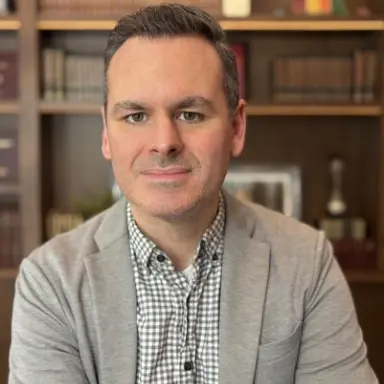
Mike Thibodeau
Registered Clinical Psychologist (PhD)
Dr. Michel (Mike) Thibodeau has helped over a hundred adults with obsessive-compulsive disorder and anxiety-related disorders. He offers efficient treatment using cognitive behavioural therapy and exposure and response prevention guided by current research on best practices. His pragmatic skills-based approach is paired with a collaborative therapeutic style to promote lasting changes.
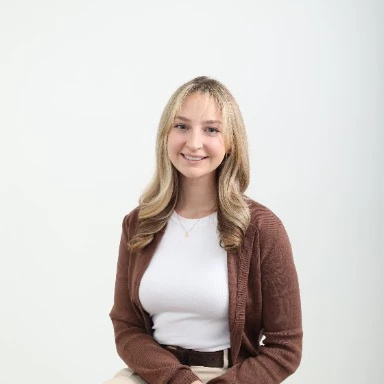
Ivana Stanic
Registered Social Worker
I'm Ivana Stanic, MSW, RSW, offering individual and couples therapy for anxiety, trauma, ADHD, and relationship patterns including communication, trust, emotional connection, and life transitions. My approach draws on Gottman Method, EFT, CBT, and EMDR, built on six years of experience in the mental health field. I see clients virtually across Ontario and in person in Hamilton.
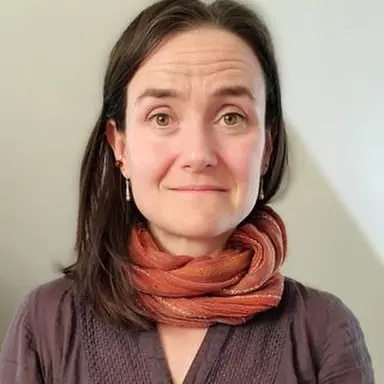
Stacy Kirkbride
Registered Psychotherapist, Recreation Therapist
I offer compassionate support for those living with chronic illness, pain, and post-injury life challenges. I specialize in helping you navigate the emotional and mental hurdles these bring. My goal is to help you reclaim your sense of self, cope with grief and loss, and rebuild your life with resilience and purpose. You're not alone--I'm here to support you every step of the way.
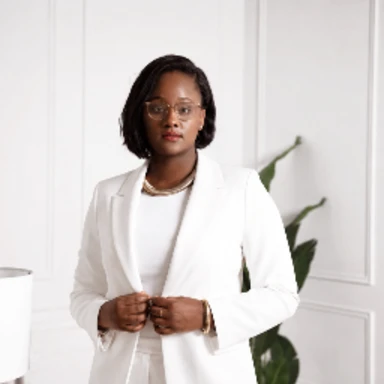
Cristal Hines
Clinical Social Worker & Therapist
I am a Registered Social Worker, and trauma therapist specializing in complex trauma, PTSD, family therapy, and racial trauma. I provide culturally responsive, trauma-informed care using CPT, CBT, DBT, and Narrative Therapy to help adolescents, adults, and families heal, build resilience, and create meaningful, lasting change.

Jessica DeMille
Registered Psychotherapist (Qualifying), MACP, B.Sc (Hons)
I work with individuals, couples, families, and children (10+), providing a safe, supportive space for exploration and growth. Using an integrative, client-centered approach, I help clients navigate anxiety, depression, relationships, and life transitions, fostering resilience, self-awareness, and meaningful change. Together, we explore tools and strategies to support emotional well-being.

Stephanie Campoli
MSW, RSW
Stephanie Campoli Psychotherapy is a trauma-focused practice in Oshawa, Ontario, offering in-person therapy and virtual psychotherapy across Ontario and Nova Scotia. The practice specializes in comprehensive Dialectical Behaviour Therapy (DBT), trauma therapy, and addictions treatment, with particular expertise in supporting people living with Borderline Personality Disorder (BPD) and trauma.
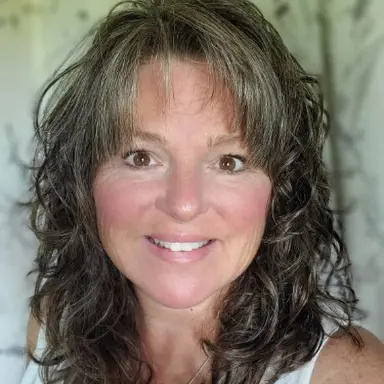
Shelley Sayle-Udall
Registered Psychotherapist (RP)
I’m Shelley, a psychotherapist offering integrative, mind–body therapy that goes beyond talk therapy. My work combines insight with nervous system, physiological, and gut–brain understanding to help clients truly make sense of their experiences. Through psychoeducation and compassionate support, I help people reconnect with their inner wisdom and create meaningful, lasting change.
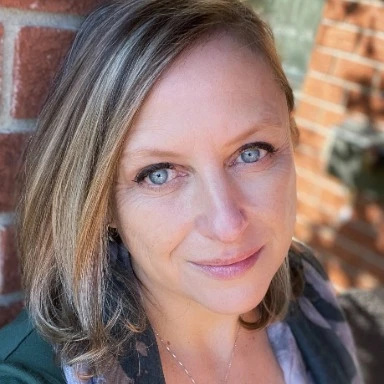
Allison Mundle
Registered Psychotherapist, Sandalwood Psychotherapy
Online therapy for women in Ontario navigating anxiety, relationships, and emotional overwhelm. You may look like you are holding everything together, while inside you feel anxious, emotionally drained, or disconnected from yourself. Maybe you are used to keeping the peace, carrying too much, or saying yes when something inside you is saying no.

Paris Moaf
Registered Psychotherapist, M Psy, MSc, RP
As the founder and clinical director of Paris Mind Clinic, Paris Parastoo Moaf specializes in helping clients manage and overcome depression, anxiety, PTSD, emotional disorders, grief, and relationship issues. Using CBT, DBT, MBCT, ACT, EFT, and Adlerian Therapy, Paris Parastoo Moaf tailors sessions to your unique needs.
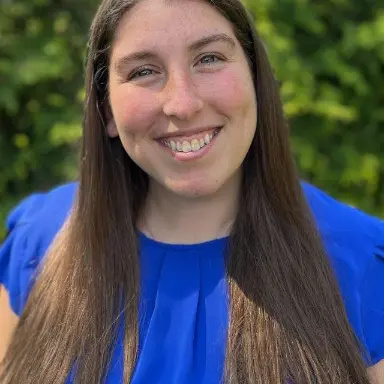
Alysha Bernstein
Registered Psychotherapist, Clinical Supervisor & Traumatologist
I am a registered psychotherapist with a decade of experience in mental healthcare. I have built an authentic, client-centred, and empathic space in my private practice since 2020. We provide care for a wide range of mental health issues and couples or family conflict. My team is as accessible and affordable as possible and we are constantly learning new and better ways to support our clients
How do therapists in Nepean, ON compare?
Number of therapists listed
Average years in practice
Currently accepting new clients
Therapists in Nepean, ON who prioritize treating:
How therapists see their clients
Top therapy approaches used in Nepean, ON:
Frequently Asked Questions About Cognitive Processing (CPT)
What is Cognitive Processing Therapy (CPT)?
Cognitive Processing Therapy (CPT) is an evidence-based, structured psychotherapy for PTSD developed by Patricia Resick in the 1980s, originally for survivors of sexual assault and later validated across diverse trauma populations. CPT is based on the understanding that trauma can disrupt how we make sense of the world — altering beliefs about safety, trust, power and control, esteem, and intimacy in ways that maintain PTSD symptoms. The therapy focuses on identifying and challenging these trauma-related cognitions ("stuck points") to allow natural recovery to proceed.
What does CPT treat?
CPT is primarily used for PTSD resulting from a wide range of traumatic events — sexual assault, combat trauma, natural disasters, motor vehicle accidents, physical abuse, and complex developmental trauma. It is also effective for depression and other conditions that co-occur with PTSD. CPT has been widely implemented in military and veteran populations and has been adapted for diverse cultural contexts. It is recommended by major clinical guidelines including the VA/DoD and NICE as a first-line PTSD treatment.
How does CPT differ from EMDR and Prolonged Exposure?
All three are first-line evidence-based treatments for PTSD. EMDR uses bilateral stimulation to process traumatic memories directly. Prolonged Exposure works through detailed imaginal and in-vivo re-engagement with traumatic memories and situations, using habituation and extinction. CPT focuses primarily on challenging the unhelpful beliefs that have developed as a result of the trauma, with less emphasis on detailed narrative processing of the traumatic event itself. CPT may be preferable for people who are resistant to memory-focused approaches or who have multiple traumas.
What does CPT involve?
CPT is typically delivered over 12 sessions following a structured protocol. After psychoeducation about PTSD and the CPT model, clients write an impact statement describing their beliefs about why the trauma occurred and its effects on their life. Subsequent sessions involve identifying "stuck points" — problematic cognitions maintaining the PTSD — and using structured worksheets (Challenging Questions Worksheet, Patterns of Problematic Thinking) to examine and modify these beliefs. The five themes of safety, trust, power/control, esteem, and intimacy are systematically addressed.
How effective is CPT?
CPT is one of the most extensively researched PTSD treatments available. Dozens of randomized controlled trials across diverse populations and trauma types demonstrate its efficacy — approximately 50–70% of people who complete CPT no longer meet diagnostic criteria for PTSD at follow-up. Effect sizes are large and gains are durable. CPT is effective delivered individually or in group format, and in some studies a written-only version (CPT without the trauma account) has shown similar effectiveness to the full protocol.