Strength-Based Therapists in Oshawa, ON
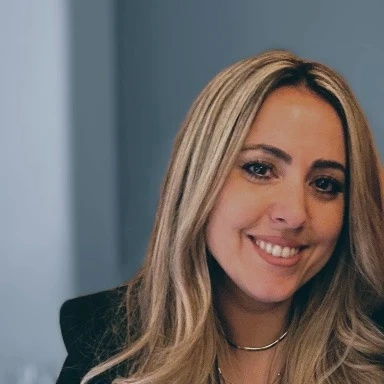
Maytal Oziel
Registered Psychotherapist (Qualifying)
Maytal Oziel is a Registered Psychotherapist (Qualifying) based in Ontario, Canada. Before transitioning to psychotherapy, she spent 20+ years working as a certified teacher, where she developed a deep appreciation for the ways we grow, learn, and navigate challenges throughout our lives.
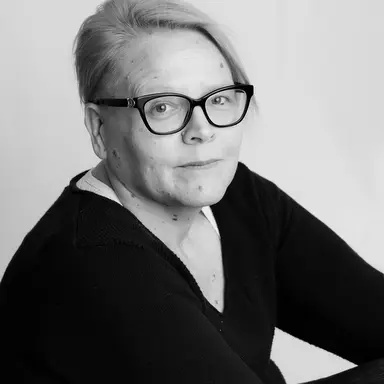
Johanna Benoit
Registered Psychotherapist
NIHB provider, specializing in CPTSD and trauma, perinatal grief and loss, PTSD, anxiety, depression and borderline personality disorder.
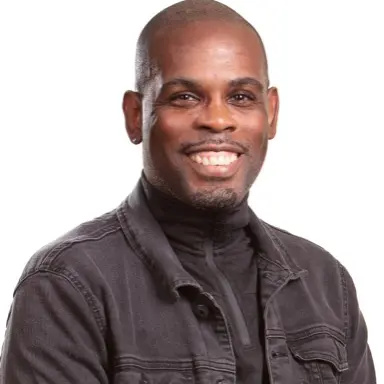
DeRoux Jones
Registered Psychotherapist
I’m DeRoux Jones, a Registered Psychotherapist in Ontario with a Master of Counselling Psychology specializing in Marriage & Family Therapy. I serve individuals, couples, and families, helping with anxiety, depression, grief, relationships, and Christian counselling. My approach is collaborative, evidence-based, and client-centered, creating a safe space for growth and healing.
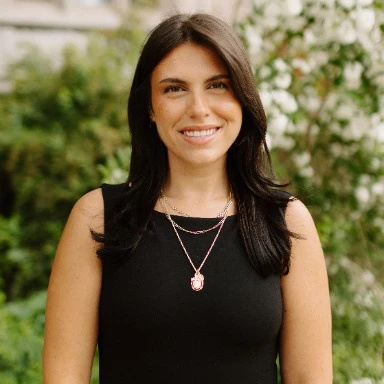
Teodora Kostadinovska
Registered Psychotherapist (Qualifying)
I am dedicated to supporting youth, adults, and couples who may be feeling stuck, overwhelmed, or uncertain about their next steps in life. Reaching out for support can be a vulnerable and courageous decision, and my goal is to create a space where you feel safe, heard, and understood. Therapy is a journey, and I am here to offer a steady hand as you move toward growth and greater well-being.

Rachelle Trudel, RP / PA, CCC - *Psychothérapeute bilingue*
Registered Psychotherapist / Psychothérapeute autorisée
Welcome! I support my clients in healing from burn-out so that they can get back to feeling like themselves and to being able to handle the demands and pressures of work and home life in a healthy way. I use my knowledge in CBT, SFBT, and mindfulness to support my clients in a compassionate, collaborative, pragmatic, goal-oriented, and trauma-informed way. I look forward to meeting you!
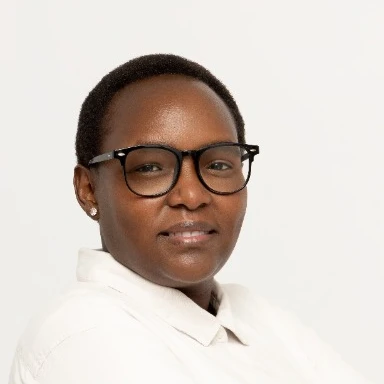
Josephine Loko
Registered Psychotherapist (Qualifying)
Feeling overwhelmed, anxious, or stuck? You may be navigating grief, relationship struggles, burnout, or a major life transition. I offer adults and couples a space to slow down, feel heard, and make sense of what you’re going through. As an immigrant, I also understand the challenges of balancing cultural values with life in Canada.
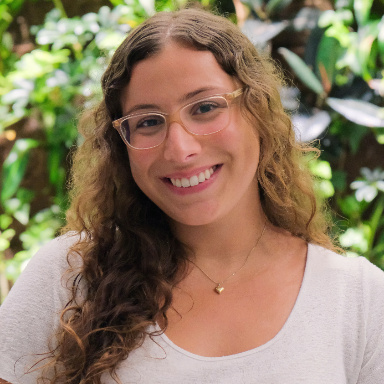
Sophie Cohen
Registered Psychotherapist (Qualifying)
Trauma-informed therapy available virtually

Emma Laughlan
Registered Psychotherapist (Qualifying)
I work with children (10+), teens, and adults who feel anxious, overwhelmed, or exhausted by the pressure to get everything “right.” You may be stuck in overthinking, people‑pleasing, panic symptoms, health anxiety, or relationship patterns that leave you doubting yourself. On the outside, you might appear high‑achieving and capable. Inside, you feel tense, self‑critical, or never quite enough.
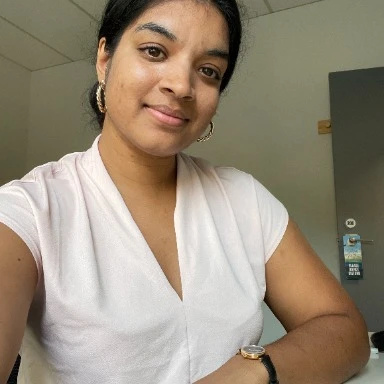
Chantelle Vaz
Registered Psychotherapist
I offer a warm and collaborative space where you can explore your experiences with curiosity and care. My approach is rooted in empathy and authenticity, supporting you in understanding your story, building self-compassion, and creating meaningful change. I draw from narrative, attachment, and emotion-focused therapies to meet your unique needs.

Salima Jadavji
Registered Social Worker, MSW, RSW, CHyp™
I support high-functioning professionals and caregivers who feel exhausted, anxious, or disconnected beneath the surface. Using a trauma-informed, collaborative approach, I help you move beyond coping toward steadiness and self-trust. Email [email protected] to book a free consultation and see if we’re a fit.
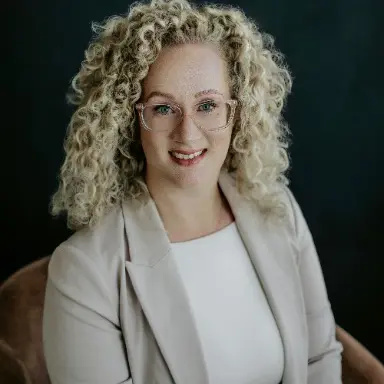
Michelle Keough
Master of Clinical Social Work, Registered Social Worker
Feeling disconnected from your partner has got you feeling discouraged and frustrated in your relationship. You're tired of having the same arguments continue to happen in your relationship with no understanding. Being stuck in conflict has lead to you feeling disconnected from your partner and is holding you back from creating a secure loving bond. You no longer need to feel alone in your rela...

Katharine De Santos
Registered Psychotherapist
Healthy Minds Psychotherapy was founded in 2018 with the mission of providing psychotherapeutic care to individuals from diverse backgrounds, fostering resilience in each person and our community as a whole.
Manisha Grewal
Registered Psychotherapist (Qualifying)
I offer a compassionate space to address both immediate struggles and deeper patterns. Together, we’ll build tools to manage symptoms in the present while exploring past experiences, identity, and meaning. My approach blends existential therapy, parts work (IFS), and ACT, and is inclusive, culturally sensitive, and LGBTQIA+/BIPOC affirming.

Denise Smith
Registered Social Worker, BSW, MSW, RSW
Are you feeling overwhelmed and anxious with balancing work, relationships and/or parenting? Maybe you’re feeling unmotivated, disconnected from yourself and your loved ones and find your mood up and down. You might be struggling with a big life decision or change. It can be difficult to know how to move forward. I’ve been there and I understand how stressful it can be.

Ukasha Malik
Registered Psychotherapist
Ukasha Psychotherapy is a private therapy practice focused on trauma-informed care, self-awareness, and empowerment. It offers a safe, supportive space for clients to work through challenges like anxiety, depression, and relationship issues. The practice emphasizes accessible mental health education, coping tools, and personal growth.

Mackenzie Fournier
Registered Psychotherapist
Hi, I’m Mackenzie! I’m a Psychotherapist who loves keeping therapy real, down-to-earth, and practical. I help people untangle patterns around anxiety, food, and self-trust using tools grounded in science. In sessions, I bring my authentic self—you can expect a mix of support, guidance, and maybe a little humour when it feels right—so we can tackle challenges together without the extra pressure.

Paris Moaf
Registered Psychotherapist, M Psy, MSc, RP
As the founder and clinical director of Paris Mind Clinic, Paris Parastoo Moaf specializes in helping clients manage and overcome depression, anxiety, PTSD, emotional disorders, grief, and relationship issues. Using CBT, DBT, MBCT, ACT, EFT, and Adlerian Therapy, Paris Parastoo Moaf tailors sessions to your unique needs.
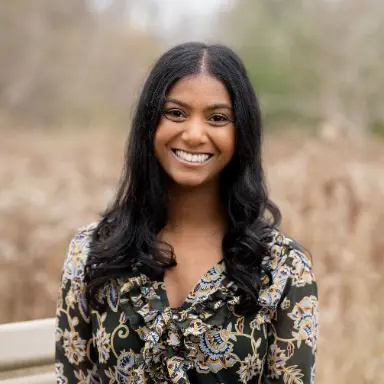
Varshini Skantharajah
Registered Psychotherapist

Tina Pirvali
Registered Psychotherapist (Qualifying)
Accepting new clients. I provide virtual therapy across Canada for adults and couples navigating trauma, relationship challenges, communication difficulties, infidelity, codependency, attachment patterns, and life transitions. Using a warm, trauma-informed approach, I help clients strengthen their relationships, reconnect with themselves, and create lasting, meaningful change.
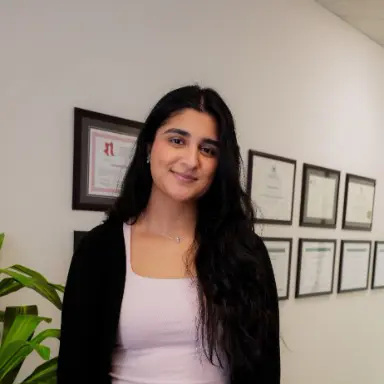
Navkiran Bajwa
Registered Psychotherapist (Qualifying)
Hi! My name is Nav and I am a Registered Psychotherapist (Qualifying) in Ontario! I currently practice in Vaughan and offer in-person & virtual sessions! Feel free to contact me for a free 15 minute consultation to see if I'd be a good fit for your needs!
How do therapists in Oshawa, ON compare?
Number of therapists listed
Average years in practice
Currently accepting new clients
Therapists in Oshawa, ON who prioritize treating:
How therapists see their clients
Top therapy approaches used in Oshawa, ON:
Frequently Asked Questions About Strength-Based
What is strength-based therapy?
Strength-based therapy is an orientation in therapy that deliberately focuses on the client's existing resources, strengths, values, capabilities, and resilience — rather than primarily on pathology, deficits, and problems. It is not denial of difficulties; it is a choice to place equal or greater weight on what is working, what the person has overcome, what they value, and what they are capable of. Strength-based approaches include Solution-Focused Brief Therapy (SFBT), Positive Psychology therapy, narrative approaches, and many humanistic frameworks.
How does strength-based therapy differ from traditional approaches?
Traditional approaches often focus heavily on problems, symptoms, deficits, and what is wrong. Strength-based therapy shifts the lens: rather than "what is your problem and what caused it," it asks "what do you want to be different, what resources do you have, and what has worked before?" This is not bypassing real difficulties — it is choosing to mobilize the person's existing capacity alongside addressing their challenges. The approach is often experienced as more validating and energizing than deficit-focused approaches.
What is Solution-Focused Brief Therapy (SFBT)?
Solution-Focused Brief Therapy (SFBT) is one of the most widely researched strength-based approaches. Developed by Steve de Shazer and Insoo Kim Berg, SFBT focuses on identifying and amplifying what the client does when the problem is less present (exceptions), describing in detail what their preferred future looks like (the miracle question), and building on their existing strengths and resources. SFBT has evidence for depression, anxiety, family therapy, school settings, and diverse populations. It is brief — often 3–8 sessions.
Is a strength-based approach appropriate for serious mental health concerns?
Yes — strength-based approaches are not limited to mild concerns or wellness coaching. Identifying and mobilizing resilience and existing resources is valuable alongside evidence-based treatment for depression, anxiety, trauma, and serious mental illness. A strength-based lens does not mean ignoring suffering — it means holding both the difficulty and the capability simultaneously. For very serious presentations, strength-based approaches are most effective as part of a comprehensive treatment plan rather than as the only approach.
Who benefits most from strength-based therapy?
Strength-based therapy tends to resonate particularly with people who feel pathologized or whose sense of self-efficacy has been eroded by chronic difficulties; with people who prefer a future-focused, action-oriented approach over extended exploration of the past; with children and adolescents for whom building on strengths is developmentally appropriate; and with people from cultural backgrounds where talking about problems or expressing distress is less natural than focusing on action and solutions. The approach can be deeply empowering when done well.