Liana Yip
Counsellor, MA, MCP, RCC
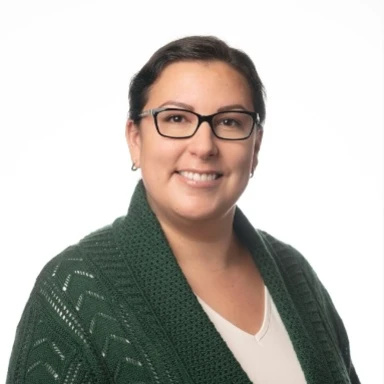
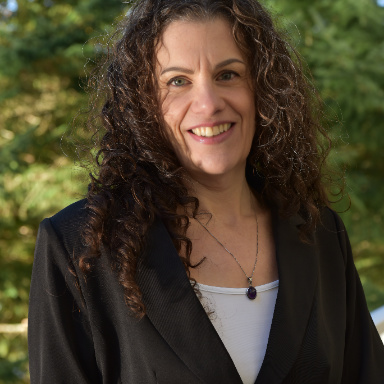
Liana Yip is an RCC counsellor and therapist in Vancouver who works with adults on grief, depression, anxiety and trauma, using a depth-oriented approach.
Counsellor, MA, MCP, RCC
Liana Yip is an RCC counsellor and therapist in Vancouver who works with adults on grief, depression, anxiety and trauma, using a depth-oriented approach.
Registered Psychotherapist, Canadian Certified Counsellor
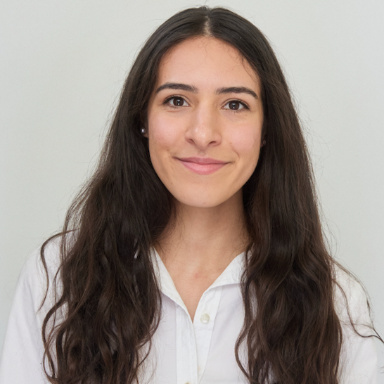
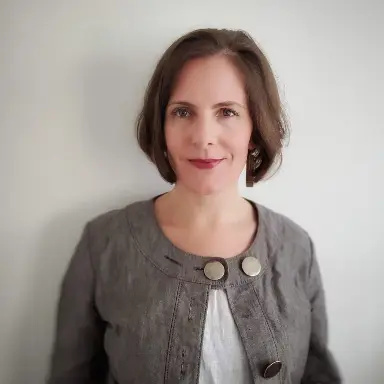
Maria Yaglovski is a registered psychotherapist and therapist in Ontario who works with adults on anxiety, stress and couples counselling.
Master Practitioner in Clinical Counselling- Provisional (MPCC-p), LPC
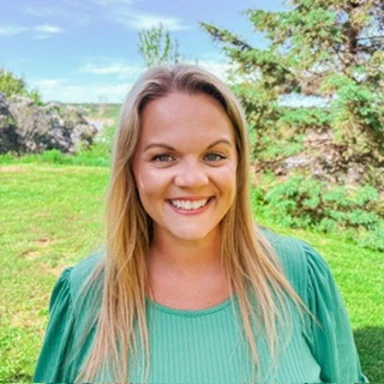
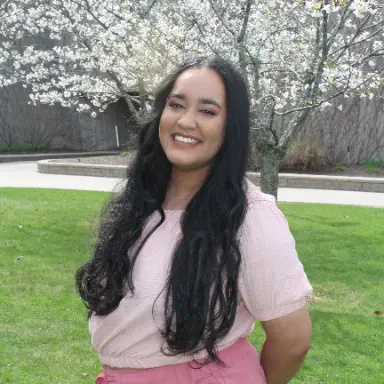
Alicia Buck is an MPCC-p and LPC therapist in British Columbia who works online with adults on anxiety, depression and grief, and offers a sliding scale.
Certified Counsellor
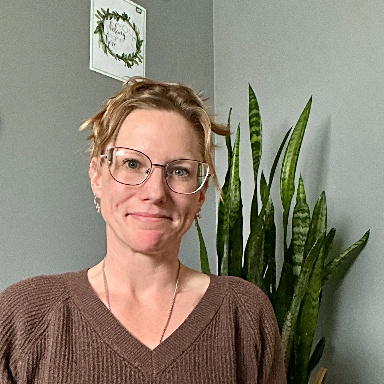
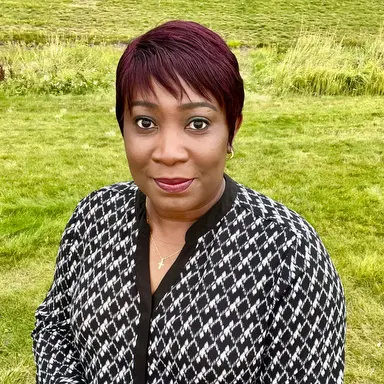
Erika Thebeau is a certified counsellor and therapist in New Brunswick who works online with adults and elders on anxiety, stress, and coping skills.
Registered Psychotherapist (Qualifying)
Abby Tait, a registered psychotherapist (qualifying) and online therapist in British Columbia, works with adults on grief, caregiver burnout and anxiety.
Registered Psychotherapist (Qualifying)
Abby Tait is a registered psychotherapist (qualifying) and therapist in Ontario who works online with adults on grief and addiction, using ACT and DBT.
Student Therapist
Joshua Dhanaraj is a student therapist in Calgary, Alberta, offering CBT for anxiety and grief to teens, adults and seniors, in person or online.
Registered Psychotherapist
Annie Szalkai is a registered psychotherapist and online therapist in Ontario, helping adults with anxiety and depression using CBT and DBT.
Registered Social Worker (RSW)
Hoi Shuen (Kasey) Chung is a registered social worker and therapist in British Columbia. Works online with teens and adults on anxiety and depression.
Canadian Certified Counsellor
Tabitha Brown is a Canadian certified counsellor and therapist in Alberta offering online counselling for trauma and PTSD, using EMDR and DBT.
Registered Social Worker (MSW, RSW)
Renee Crossan is a registered social worker and therapist in Ontario offering online counselling for adults on anxiety, depression, grief and menopause.
Registered Psychotherapist (Qualifying)
Mackenzie Howard is a registered psychotherapist (qualifying) and online therapist in Ontario, helping with anxiety, depression and stress using CBT.
Registered Clinical Counsellor
Leah Dhahan is a registered clinical counsellor and therapist in British Columbia offering online and in-person help with anxiety and relationship issues.
Registered Clinical Counsellor
Karine Keokongchack is a registered clinical counsellor and therapist in Vancouver, supporting adults and elders with anxiety, depression and grief.
Registered Social Worker
Lisa Willow is a registered social worker and therapist in British Columbia offering online support for adults with ADHD, anxiety and depression.
Registered Psychologist & Canadian Certified Counsellor
Danica Heidebrecht is a registered psychologist and therapist in Calgary who works with adults on codependency, grief and relationship issues.
Registered Psychotherapist
Ariel Dasrath is a registered psychotherapist and online therapist in Ontario for teens and adults on family conflict and peer relationships.
Registered Therapeutic Counsellor
Mikyla Bergman is a registered therapeutic counsellor and therapist in British Columbia, offering online support for ADHD and anxiety to teens and adults.
Registered Clinical Social Worker
Jane Chukwujekwu is a registered clinical social worker and therapist in Regina, Saskatchewan, helping teens and adults with anxiety, depression and grief.
Number of therapists listed
Average years in practice
Currently accepting new clients
Therapists in Surrey who prioritize treating:
How therapists see their clients
Top therapy approaches used in Surrey:
Coping skills are the strategies we use to manage stress, difficult emotions, and challenging situations. Some coping strategies are adaptive — exercise, seeking support, problem-solving, mindfulness — while others are maladaptive — avoidance, substance use, self-harm, rumination — providing short-term relief but creating longer-term problems. Therapy focused on coping skills helps you identify which strategies you currently use, understand their effects, and build a broader, more effective toolkit for managing life's difficulties.
DBT is one of the most skills-intensive therapy approaches, explicitly teaching four modules of coping skills: mindfulness, distress tolerance, emotional regulation, and interpersonal effectiveness. CBT builds problem-solving, cognitive restructuring, and behavioural activation skills. ACT develops psychological flexibility. Mindfulness-Based Stress Reduction (MBSR) teaches mindfulness as a core coping tool. Many therapists integrate skills from multiple approaches based on what is most relevant for your specific challenges.
Coping skills work benefits almost anyone experiencing stress, anxiety, depression, emotional dysregulation, or difficult life circumstances. It is particularly valuable for people who feel overwhelmed by their emotions, who rely on avoidance or unhealthy behaviours to get through hard times, who are managing chronic illness or pain, or who are going through significant life transitions. Children and adolescents also benefit greatly from learning coping skills early, before maladaptive patterns become entrenched.
Coping skills address the how of managing distress — the practical tools and strategies. Deeper therapy work addresses the why — the root causes, unresolved experiences, and underlying patterns that create the distress in the first place. Both are important: coping skills provide the stability needed to engage in deeper work, while deeper work reduces the need to rely heavily on coping strategies over time. Many effective treatments integrate both levels.
Coping skills can produce relatively rapid benefits — many people notice improvements in their ability to manage distress within the first few sessions as they begin applying new tools. The key is consistent practice between sessions: skills that are learned but not practised tend to be unavailable in moments of high distress. Most coping-focused therapies are short to medium term, ranging from 6 to 16 sessions, with the option to continue if deeper exploration is indicated.