Expressive Arts Therapists in Cambridge, ON

Zarifa Andani
MPCC-P, RTC-C
This work isn’t about fixing your parts—it’s about helping you feel more like your whole self again. We can work together to slow down, get curious, and listen deeply. Our internal body wisdom is an integral source of information that speaks more significantly than words. Real change is possible when ALL of you feels safe enough to be seen and supported, just as you are.
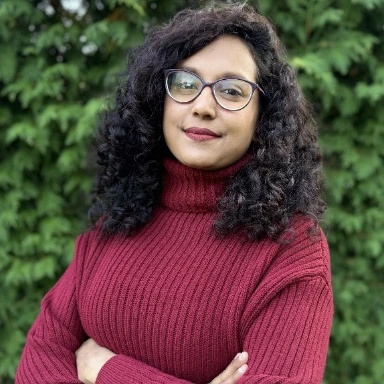
Caroline D Souza
Registered Psychotherapist (Qualifying)
I am a Registered Psychotherapist (Qualifying) with over six years of experience supporting individuals across hospital, school, community, and outpatient mental health settings. I believe therapy should feel like a space where you can slow down, feel genuinely heard, and explore your experiences without judgment.

Savannah Dasilva
Registered Psychotherapist (Qualifying), Expressive Arts Therapist at Savannah Dasilva Psychotherapy
Savannah Dasilva Psychotherapy is a queer-owned practice providing virtual and in-person psychotherapy services in Toronto, ON. We work wth 2SLGBTQI+ neurodivergent children, teens and adults who are looking to find balance and sustainability in their lives living with neurodivergence, anxiety, stress, chronic illness/pain, grief and loss, relationships, and identity challenges; by using the arts.
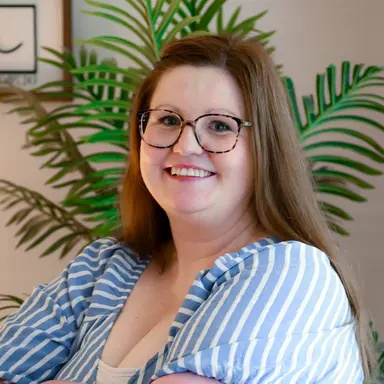
Nikki Ward
Registered Psychotherapist
Therapist & Clinic Owner at Electric City Wellness Accepting new clients both In-Person in Peterborough & Virtually throughout Ontario! Offering FREE 20-minute consultations!
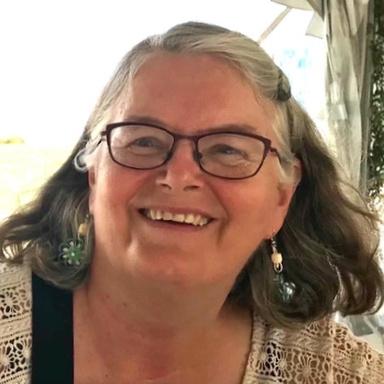
Signy Fridriksson
Registered Psychotherapist
It takes a lot of courage to start a healing journey! I listen with empathy and respect as you explore the challenges that life has brought you. I am known to be warm, calm and non-judgmental. I provide a safe, reassuring environment, allowing you to grow in self-awareness, self-compassion and a sense of hope.
How do therapists in Cambridge, ON compare?
Number of therapists listed
Average years in practice
Currently accepting new clients
Therapists in Cambridge, ON who prioritize treating:
How therapists see their clients
Top therapy approaches used in Cambridge, ON:
Frequently Asked Questions About Expressive Arts
What is expressive arts therapy?
Expressive arts therapy (ExAT) integrates multiple art forms — visual art, music, movement, drama, creative writing, and poetry — within a therapeutic relationship. Unlike specialized modality therapies (art therapy, music therapy), expressive arts therapy uses the interplay between different art forms rather than mastery of one. Developed by Paolo Knill and colleagues in the 1970s, it is grounded in the belief that creative expression is central to human experience and that moving fluidly between different expressive modes opens pathways of healing not available through verbal language alone.
Who benefits from expressive arts therapy?
Expressive arts therapy benefits people across all ages and backgrounds — it is used with children, adolescents, adults, and elders in diverse settings. It is particularly valuable for trauma survivors (for whom trauma is often stored in non-verbal, sensory, and image-based form), people with communication challenges, those who find talk therapy insufficient or inaccessible, individuals navigating grief and loss, and people who identify as creative and respond naturally to artistic expression as a mode of self-exploration and healing.
Do I need to be artistic or creative to do expressive arts therapy?
No — and this is a common misunderstanding. Expressive arts therapy is not about producing good art or having artistic skill. It is about engaging in creative process as a mode of self-expression, exploration, and connection. The therapist is not evaluating quality; they are present with the process and with what emerges from it. People who identify as "not creative" often find expressive arts therapy surprisingly accessible once they set aside the idea that their creations need to be "good."
What does an expressive arts therapy session look like?
Sessions vary widely depending on the therapist and client. A session might begin with movement or breathing, move into visual art-making (drawing, painting, clay), then shift to writing or poetry, and close with verbal reflection on what emerged across the different media. The therapist witnesses and holds the creative process, offers invitations rather than directives, and helps the client make meaning from what arises. Sessions can be individual or group.
How do I find an expressive arts therapist in Canada?
Expressive arts therapists in Canada may be registered through the Canadian Expressive Arts Therapy Association (CEATA). The field overlaps with art therapy, drama therapy, music therapy, and dance/movement therapy — many practitioners integrate expressive arts approaches within their broader therapeutic practice. Theralist lists therapists who offer expressive arts therapy in their practice; searching for this specialty will help identify available practitioners in your area.