Strength-Based Therapists in Cambridge, ON

Verified by Theralist
Verified and in good standing. Last verified Nov 12, 2026
Verification confirms registration only, not fit or quality of care.
How verification worksRegistered Social Worker, Psychotherapist
Kanica Coshal is a registered social worker and therapist in Milton, Ontario, supporting children, teens and adults with anxiety, OCD and depression.

Verified by Theralist
Verified and in good standing. Last verified Nov 11, 2026
Verification confirms registration only, not fit or quality of care.
How verification worksRegistered Social Worker/ Psychotherapist
Donnica Campbell is a registered social worker and psychotherapist in Ontario who works online with trauma, PTSD and domestic abuse, using CBT and DBT.

Verified by Theralist
Verified and in good standing. Last verified Nov 11, 2026
Verification confirms registration only, not fit or quality of care.
How verification worksRegistered Psychotherapist (Qualifying)
Brock Vaughan is a registered psychotherapist (qualifying) and therapist in Cambridge, Ontario, helping teens and adults with anxiety and depression.

Verified by Theralist
Verified and in good standing. Last verified Nov 6, 2026
Verification confirms registration only, not fit or quality of care.
How verification worksRegistered Psychotherapist (Qualifying), MACP, EMDR, ADHD-CCSP, BA
Erin Ibrahim is a registered psychotherapist (qualifying) and online therapist in Ontario, helping teens, adults and couples with anxiety, trauma and ADHD.

Verified by Theralist
Verified and in good standing. Last verified Nov 8, 2026
Verification confirms registration only, not fit or quality of care.
How verification worksRegistered Psychotherapist (Qualifying)
Lester Vega is a registered psychotherapist (qualifying) and therapist in Toronto, offering online psychodynamic support for adults with trauma and grief.

Verified by Theralist
Verified and in good standing. Last verified Nov 8, 2026
Verification confirms registration only, not fit or quality of care.
How verification worksRegistered Social Worker, MSW, RSW, CHyp™
Salima Jadavji is a registered social worker and online therapist in Ontario who works with teens and adults on anxiety, depression, grief and trauma.

Verified by Theralist
Verified and in good standing. Last verified Nov 12, 2026
Verification confirms registration only, not fit or quality of care.
How verification worksRegistered Psychotherapist (Qualifying)
Love Veronneau is a qualifying registered psychotherapist and therapist in Alberta who works online with adults on menopause, ADHD, autism and anxiety.
Verified by Theralist
Verified and in good standing. Last verified Nov 8, 2026
Verification confirms registration only, not fit or quality of care.
How verification worksRegistered Psychotherapist (Qualifying)
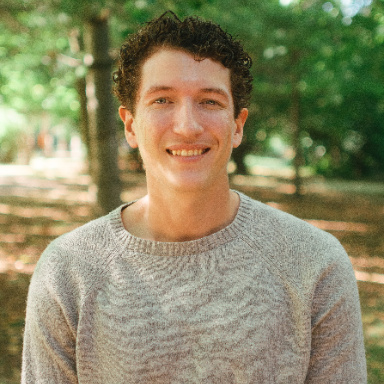
Parker Willis is a registered psychotherapist (qualifying) and therapist in Brantford, Ontario, working on anxiety, addiction and trauma.

Verified by Theralist
Verified and in good standing. Last verified Nov 7, 2026
Verification confirms registration only, not fit or quality of care.
How verification worksRegistered Social Worker
Carla Barbosa is a registered social worker and therapist in Ontario who works online with adults on ADHD, autism and anxiety, in English and Portuguese.

Verified by Theralist
Verified and in good standing. Last verified Nov 20, 2026
Verification confirms registration only, not fit or quality of care.
How verification worksRegistered Psychotherapist (Qualifying)
Mikyla Balicki is a qualifying registered psychotherapist and therapist in St. Catharines, Ontario, helping teens and adults with anxiety and ADHD.

Verified by Theralist
Verified and in good standing. Last verified Nov 11, 2026
Verification confirms registration only, not fit or quality of care.
How verification worksRegistered Psychotherapist
Varshini Skantharajah is a registered psychotherapist and therapist in Toronto helping adults with anxiety, depression and trauma, in person or online.

Verified by Theralist
Verified and in good standing. Last verified Nov 17, 2026
Verification confirms registration only, not fit or quality of care.
How verification worksRegistered Psychotherapist (Qualifying)
Bethany Richer is a registered psychotherapist (qualifying) and therapist in Ottawa, working with teens and adults on anxiety, depression and ADHD.

Verified by Theralist
Verified and in good standing. Last verified Nov 9, 2026
Verification confirms registration only, not fit or quality of care.
How verification worksRegistered Clinical Social Worker, MSW, RCSW
Heather Andrew is a registered clinical social worker and therapist in Edmonton, Alberta, offering EMDR for trauma, anxiety, depression, grief and ADHD.

Verified by Theralist
Verified and in good standing. Last verified Nov 6, 2026
Verification confirms registration only, not fit or quality of care.
How verification worksRegistered Psychotherapist (Qualifying), ADHD-CCSP, MS, HBA, BA
Eleni Anagnosti, a registered psychotherapist (qualifying) and therapist in Ontario, works online with adults on ADHD, anxiety and trauma.

Verified by Theralist
Verified and in good standing. Last verified Nov 11, 2026
Verification confirms registration only, not fit or quality of care.
How verification worksRegistered Psychotherapist
Yasmin Rombola-Bacchus is a registered psychotherapist and therapist in Toronto, Ontario, working with children, teens and adults on trauma and anxiety.

Verified by Theralist
Verified and in good standing. Last verified Nov 11, 2026
Verification confirms registration only, not fit or quality of care.
How verification worksRegistered Social Worker, Psychotherapist
Rebecca Steele is a registered social worker and therapist in Ontario, working online with adults on anxiety, depression, OCD and relationship issues.
Verified by Theralist
Verified and in good standing. Last verified Nov 6, 2026
Verification confirms registration only, not fit or quality of care.
How verification worksRegistered Psychotherapist
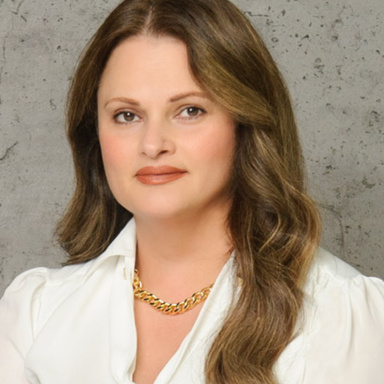
Kim Michael is a registered psychotherapist and therapist in Ontario who works online with couples recovering from infidelity, using the Gottman Method.

Verified by Theralist
Verified and in good standing. Last verified Nov 11, 2026
Verification confirms registration only, not fit or quality of care.
How verification worksRegistered Social Worker
Mahum Ahmed is a registered social worker and therapist in Milton, Ontario, offering CBT for anxiety, depression and trauma, online or in person.
Verified by Theralist
Verified and in good standing. Last verified Nov 11, 2026
Verification confirms registration only, not fit or quality of care.
How verification worksRegistered Psychotherapist
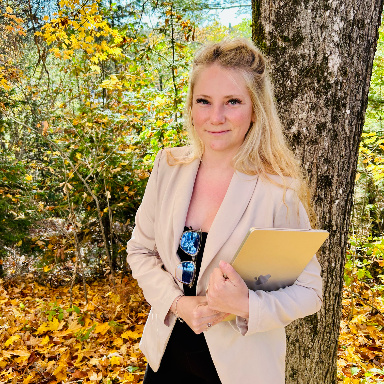
Allison Clayton is a registered psychotherapist and art therapist in Barrie and Collingwood, Ontario, working with teens and adults on anxiety and trauma.

Verified by Theralist
Verified and in good standing. Last verified Nov 11, 2026
Verification confirms registration only, not fit or quality of care.
How verification worksRegistered Psychotherapist (Qualifying)
Shae Watson is a registered psychotherapist (qualifying) and therapist in Ontario who works online with ADHD, anxiety and 2SLGBTQI+ clients.
Cambridge Therapists at a Glance
Number of therapists listed
Average years in practice
Currently accepting new clients
Therapists in Cambridge who prioritize treating:
How therapists see their clients
Top therapy approaches used in Cambridge:
Frequently Asked Questions About Strength-Based
What is strength-based therapy?
Strength-based therapy is an orientation in therapy that deliberately focuses on the client's existing resources, strengths, values, capabilities, and resilience — rather than primarily on pathology, deficits, and problems. It is not denial of difficulties; it is a choice to place equal or greater weight on what is working, what the person has overcome, what they value, and what they are capable of. Strength-based approaches include Solution-Focused Brief Therapy (SFBT), Positive Psychology therapy, narrative approaches, and many humanistic frameworks.
How does strength-based therapy differ from traditional approaches?
Traditional approaches often focus heavily on problems, symptoms, deficits, and what is wrong. Strength-based therapy shifts the lens: rather than "what is your problem and what caused it," it asks "what do you want to be different, what resources do you have, and what has worked before?" This is not bypassing real difficulties — it is choosing to mobilize the person's existing capacity alongside addressing their challenges. The approach is often experienced as more validating and energizing than deficit-focused approaches.
What is Solution-Focused Brief Therapy (SFBT)?
Solution-Focused Brief Therapy (SFBT) is one of the most widely researched strength-based approaches. Developed by Steve de Shazer and Insoo Kim Berg, SFBT focuses on identifying and amplifying what the client does when the problem is less present (exceptions), describing in detail what their preferred future looks like (the miracle question), and building on their existing strengths and resources. SFBT has evidence for depression, anxiety, family therapy, school settings, and diverse populations. It is brief — often 3–8 sessions.
Is a strength-based approach appropriate for serious mental health concerns?
Yes — strength-based approaches are not limited to mild concerns or wellness coaching. Identifying and mobilizing resilience and existing resources is valuable alongside evidence-based treatment for depression, anxiety, trauma, and serious mental illness. A strength-based lens does not mean ignoring suffering — it means holding both the difficulty and the capability simultaneously. For very serious presentations, strength-based approaches are most effective as part of a comprehensive treatment plan rather than as the only approach.
Who benefits most from strength-based therapy?
Strength-based therapy tends to resonate particularly with people who feel pathologized or whose sense of self-efficacy has been eroded by chronic difficulties; with people who prefer a future-focused, action-oriented approach over extended exploration of the past; with children and adolescents for whom building on strengths is developmentally appropriate; and with people from cultural backgrounds where talking about problems or expressing distress is less natural than focusing on action and solutions. The approach can be deeply empowering when done well.