Motivational Interviewing Therapists in Sudbury, ON
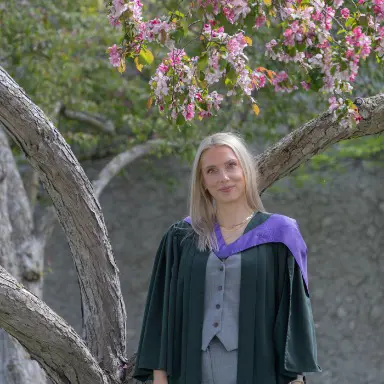
Janalyn Dodds MSW, BSW, RSW
Registered Social Worker/ Psychotherapist
I am a Registered Social Worker and psychotherapist with The Support Station, a Canadian-based, woman-owned organization that believes cost shouldn't be a barrier to accessing quality mental health and wellness support. Each client's session fees are adjusted according to not only their monthly income, but also any bills and debts paid out regularly get considered as well.

Annie Szalkai
Registered Psychotherapist
I work with adults from diverse backgrounds, supporting those navigating anxiety, stress, and self-esteem challenges. My approach is client-centred and integrative, drawing from CBT, ACT, EFIT, Solution-Focused Therapy, and more to meet each person’s unique needs.

Siobhan McCarthy, MSW, RSW
Registered Individual and Family Therapist , Clinical Consultant
If you feel that you are not living your best life, your relationships are not what you hoped they would be, or the conflict in your life is not going away, perhaps it is time to talk to someone about it. Starting counselling is a brave first step and I will be there to support you through this process. Additionally, I provide supervision to Social Workers in Private Practice.
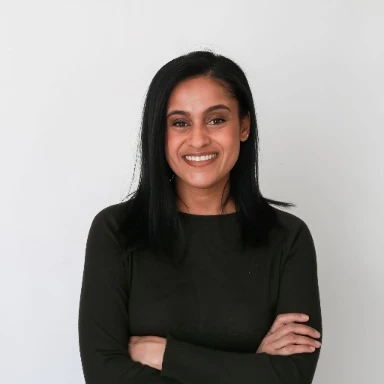
Mandeep Lalli
Registered Psychotherapist (Qualifying)
Are you feeling anxious, overwhelmed or stuck? Maybe something feels wrong? I help people navigate anxiety, depression, ADHD, trauma, and relationship struggles, with culturally sensitive care that honours your full background, including pressures others may miss. As a South Asian therapist who spent 15 years in the corporate world, I bring lived experience and real-world context to therapy.

Haley Moore
Registered Social Worker (RSW)
Welcome to Therapy Uninterrupted, where your mental well-being is our top priority. We understand that life can be challenging, and sometimes we all need a little extra support. As a team of dedicated clinicians, we are here to help you navigate through your journey and find the strength within yourself to heal and grow.

Nikki Ward
Registered Psychotherapist
Therapist & Clinic Owner at Electric City Wellness Accepting new clients both In-Person in Peterborough & Virtually throughout Ontario! Offering FREE 20-minute consultations!

Jessica DeMille
Registered Psychotherapist (Qualifying), MACP, B.Sc (Hons)
I work with individuals, couples, families, and children (10+), providing a safe, supportive space for exploration and growth. Using an integrative, client-centered approach, I help clients navigate anxiety, depression, relationships, and life transitions, fostering resilience, self-awareness, and meaningful change. Together, we explore tools and strategies to support emotional well-being.

Teodora Kostadinovska
Registered Psychotherapist (Qualifying)
I am dedicated to supporting youth, adults, and couples who may be feeling stuck, overwhelmed, or uncertain about their next steps in life. Reaching out for support can be a vulnerable and courageous decision, and my goal is to create a space where you feel safe, heard, and understood. Therapy is a journey, and I am here to offer a steady hand as you move toward growth and greater well-being.

Rose Pinghera
MS, Registered Psychotherapist (Qualifying), Canadian Certified Counsellor (CCC), Member of Ontario Association of Mental Health Practitioners
Your grit shines! You are courageously seeking support to overcome the barriers that distance you from your sun within. Are you feeling overwhelmed with: anxiety, depression, relationship challenges, stress, and/or trauma? Are these barriers blocking your: hope, joy, and/or peace? You are much more than your challenges. You have a unique reservoir of self-knowledge!

DeRoux Jones
Registered Psychotherapist
I’m DeRoux Jones, a Registered Psychotherapist in Ontario with a Master of Counselling Psychology specializing in Marriage & Family Therapy. I serve individuals, couples, and families, helping with anxiety, depression, grief, relationships, and Christian counselling. My approach is collaborative, evidence-based, and client-centered, creating a safe space for growth and healing.

Katharine De Santos
Registered Psychotherapist
Healthy Minds Psychotherapy was founded in 2018 with the mission of providing psychotherapeutic care to individuals from diverse backgrounds, fostering resilience in each person and our community as a whole.

Stacy Recalla
Nurse Practitioner
Now offering trauma-informed and neuro-affirming ADHD Assessments, medication management, and general psychiatric appointments and support.

Lylla Goheen
Registered Psychotherapist RP (Qualifying), Certified Canadian Counsellor (CCC)
Do you and your partner speak different languages? Whether it’s the silence of a "roommate phase," sexual dysfunction, or the weight of chronic illness, you don't have to navigate it alone. I provide inclusive Sex Therapy, Gottman Couples Counselling, and Chronic Pain support in Etobicoke & Toronto. My practice is judgment-free and not "one-size-fits-all." Let's start your new era.
Connie Coda
Registered Nurse Psychotherapist, Certified Nurse Psychotherapist
Connie is a Registered Nurse Psychotherapist and Certified Nurse Psychotherapist offering virtual therapy to individuals aged 16 and up across Ontario. She supports clients coping with chronic illness, anxiety, grief (including pet loss), stress, and life transitions, using a compassionate and collaborative approach.

Delia Bagi
EMDR Therapist
Délia Bagi, RP(Q) is a warm, intuitive EMDR therapist who specializes in helping self-aware people finally feel the change they've long understood. With expertise in anxiety, trauma, and relationships, she blends EMDR, CBT, and mindfulness into a thoughtful, unhurried approach - creating real, lasting shifts between sessions, not just during them.

Horace Spence
RSSW, Psychotherapist
Coach Spence Wellness & Therapy Services provides trusted, culturally grounded therapy and holistic coaching for individuals, couples, and families. We support healing from stress, anxiety, and conflict while strengthening communication, resilience, and self-care. Through counseling, workshops, and wellness tools, we help clients build balance across mind, body, and spirit.
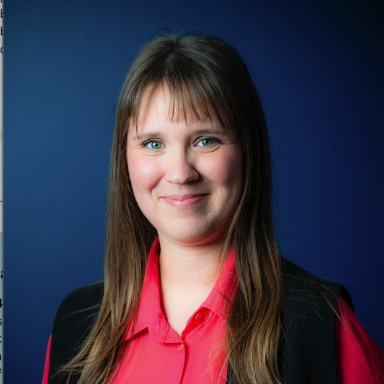
Caitlin Kemmett
Registered Psychotherapist (Qualifying)
I’m Caitlin, a Registered Psychotherapist (Qualifying) offering individual and couples therapy in Ottawa and virtually across Ontario. I support adults facing anxiety, burnout, ADHD, relationship challenges, and life transitions. My warm, collaborative approach blends CBT, ACT, and the Gottman Method to help you feel grounded, connected, and confident moving forward.

Katelyn Matias
Registered Psychotherapist
Hi, I’m Katelyn Matias, a Registered Psychotherapist and the Founder of Anchor & Bloom Psychotherapy. My approach to therapy is trauma-informed, relational, and grounded in attachment theory. I believe that our experiences, relationships, and nervous system responses shape how we understand ourselves, navigate emotions, and connect with others.

Amanda Rennick-Hazen
Registered Psychotherapist
I enjoy using a variety of techniques such as Cognitive Behavioral Therapy, Solution Focused Strategies, Mindfulness Meditation, Trauma Informed, Compassion Focused, & Emotion Focused. Depression & Sadness Anxiety & Worry Work , Home, & School Stress Grief & Loss Divorce & Separation Unexpected life transitions, unexpected change, lost opportunities

Amanda Rout
Registered Psychotherapist
Have you been struggling with stress, anxiety, depression, or self-esteem? Have you been feeling tired, overwhelmed, or stuck? You are not alone. I offer a safe, supportive, and non-judgemental space for you to show up as your authentic self and feel heard and understood. Working from a client-centred and collaborative approach, I strive to meet you where you are and support you in navigating th…
How do therapists in Sudbury, ON compare?
Number of therapists listed
Average years in practice
Currently accepting new clients
Therapists in Sudbury, ON who prioritize treating:
How therapists see their clients
Top therapy approaches used in Sudbury, ON:
Frequently Asked Questions About Motivational Interviewing
What is motivational interviewing?
Motivational Interviewing (MI) is a collaborative, goal-oriented communication style developed by William Miller and Stephen Rollnick to strengthen a person's own motivation and commitment to change. MI is based on the premise that ambivalence about change is normal — people simultaneously want to change and want to stay the same — and that the therapist's role is to help the person explore and resolve this ambivalence in the direction of their own values and goals, rather than imposing change or providing advice. It is person-centred, evidence-based, and widely used in addiction treatment, health behaviour change, and mental health.
What are the core skills of motivational interviewing?
The core MI skills (OARS) are Open-ended questions (inviting exploration), Affirmations (recognizing strengths and efforts), Reflections (reflecting back what the person has said to deepen understanding), and Summaries (pulling together what has been discussed). The spirit of MI is as important as the skills: a collaborative, evocative, honouring approach that respects the person's autonomy. MI involves selectively attending to and amplifying "change talk" (the person's own arguments for change) while avoiding the righting reflex (the urge to argue for change or give advice).
What does motivational interviewing treat or help with?
MI has strong evidence for substance use disorders (alcohol, opioids, cannabis), smoking cessation, medication adherence, diet and exercise change, weight management, and engaging people who are ambivalent about treatment. It is used as a standalone treatment and as a pre-treatment "engagement" phase before other evidence-based therapies (CBT, community reinforcement approach). MI is also widely used in healthcare settings for health behaviour change.
What is the difference between motivational interviewing and advice-giving?
MI deliberately avoids advice-giving, confrontation, and persuasion — approaches that tend to increase resistance in ambivalent people. When a practitioner argues for change or lists the reasons someone should stop drinking (for example), the person often responds by articulating the reasons they shouldn't — and convincing themselves to stay the same. MI flips this: it evokes the person's own reasons for change and their own arguments, which are far more persuasive to them than arguments from an external authority.
How many sessions of motivational interviewing are needed?
MI has demonstrated efficacy in as few as 1–4 sessions. In many studies, brief MI interventions (even a single 45-minute session) produce significant effects on substance use and behaviour change. MI is often used as an engagement or pre-treatment phase before longer therapy rather than as a prolonged standalone treatment. The brevity makes it particularly valuable in primary care, emergency departments, and settings where extended contact is limited.