Obsessive-Compulsive Disorder (OCD) Therapists in Calgary, AB

Verified by Theralist
Verified and in good standing. Last verified Nov 5, 2026
Verification confirms registration only, not fit or quality of care.
How verification worksRegistered Psychologist
Dr. Alissa Priolo is a registered psychologist and therapist in Calgary, Alberta, working with children and teens on anxiety, ADHD, OCD and depression.

Verified by Theralist
Verified and in good standing. Last verified Nov 9, 2026
Verification confirms registration only, not fit or quality of care.
How verification worksRegistered Psychotherapist (Qualifying)
Mairin Clarke is a registered psychotherapist (qualifying) and therapist in Oakville, Ontario, working with OCD, ADHD, anxiety and men's mental health.

Verified by Theralist
Verified and in good standing. Last verified Nov 7, 2026
Verification confirms registration only, not fit or quality of care.
How verification worksRegistered Social Worker, Psychotherapist
Karina Ramdath is a registered social worker, psychotherapist and online therapist in Alberta, working with trauma, grief and eating disorders using CBT.

Verified by Theralist
Verified and in good standing. Last verified Nov 11, 2026
Verification confirms registration only, not fit or quality of care.
How verification worksRegistered Psychologist
Hailey Allegro is a registered psychologist and therapist in Calgary, Alberta, offering CBT and ERP for OCD, anxiety and trauma.

Verified by Theralist
Verified and in good standing. Last verified Nov 17, 2026
Verification confirms registration only, not fit or quality of care.
How verification worksRegistered Psychologist
Dr. Sarah Owens is a registered psychologist and therapist in Calgary, Alberta, working with children, teens and families on anxiety and OCD.

Verified by Theralist
Verified and in good standing. Last verified Nov 7, 2026
Verification confirms registration only, not fit or quality of care.
How verification worksRegistered Psychologist
Kevin Jones is a registered psychologist and therapist in Calgary, Alberta, offering CBT, couples therapy and trauma-focused care for adults and elders.

Verified by Theralist
Verified and in good standing. Last verified Nov 5, 2026
Verification confirms registration only, not fit or quality of care.
How verification worksRegistered Child Psychologist
Dr. Lisa Pascal is a registered child psychologist and therapist in Calgary who works with children and teens on OCD and anxiety, using CBT and ACT.

Verified by Theralist
Verified and in good standing. Last verified Nov 6, 2026
Verification confirms registration only, not fit or quality of care.
How verification worksRegistered Psychotherapist (Qualifying), BA, PsiChi
Amelia Traer is a registered psychotherapist (qualifying) and therapist in Ontario who works online with ADHD, anxiety, OCD and depression using CBT and DBT.

Verified by Theralist
Verified and in good standing. Last verified Nov 9, 2026
Verification confirms registration only, not fit or quality of care.
How verification worksChild Psychologist
Dr. Erin Pougnet is a child psychologist and therapist in Calgary, Alberta, working with children and teens on ADHD, anxiety and OCD.

Verified by Theralist
Verified and in good standing. Last verified Nov 16, 2026
Verification confirms registration only, not fit or quality of care.
How verification worksCanadian Certified Counsellor
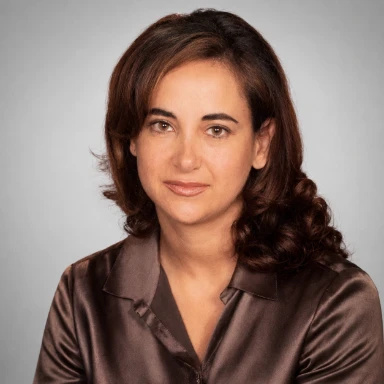
Tryphena Gabriel is a Canadian Certified Counsellor and therapist in Nunavut working online with children, teens and adults on depression or ADHD.
Verified by Theralist
Verified and in good standing. Last verified Nov 16, 2026
Verification confirms registration only, not fit or quality of care.
How verification worksCounselling Therapist, RTC • OCD & Anxiety
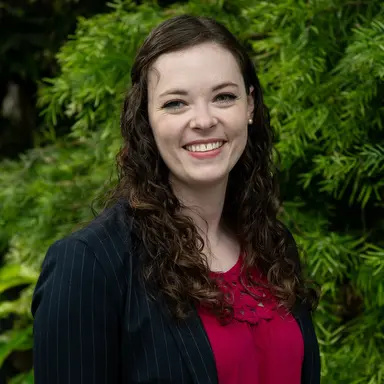
Sanaa Sanjad is an RTC counselling therapist in Alberta focused on OCD and anxiety, using CBT and ERP with teens and adults online or in person.
Verified by Theralist
Verified and in good standing. Last verified Nov 16, 2026
Verification confirms registration only, not fit or quality of care.
How verification worksRegistered Clinical Psychologist
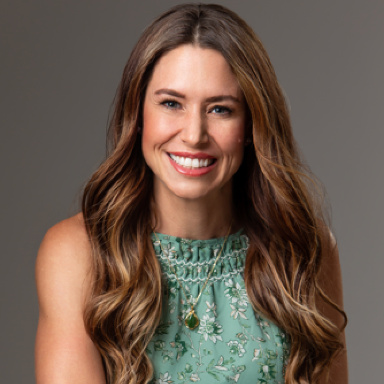
Dr. Katrina McDougall is a registered clinical psychologist and therapist in Calgary, Alberta, who works with children and teens on anxiety, OCD and ADHD.
Verified by Theralist
Verified and in good standing. Last verified Nov 7, 2026
Verification confirms registration only, not fit or quality of care.
How verification worksRegistered Psychologist
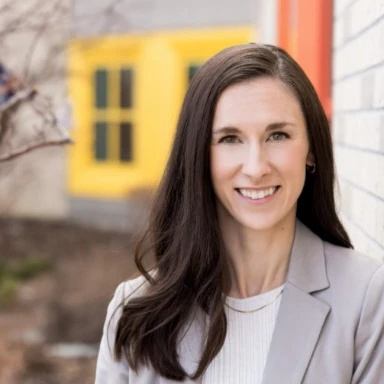
Michelle Bourque is a registered psychologist and therapist in Calgary offering individual and couples therapy for adults with ADHD, anxiety or trauma.
Verified by Theralist
Verified and in good standing. Last verified Nov 17, 2026
Verification confirms registration only, not fit or quality of care.
How verification worksRegistered Clinical Psychologist
Laurel Korotana is a registered clinical psychologist and therapist in Calgary treating anxiety, OCD and trauma with CBT and ERP for children, teens and adults.
Calgary Therapists at a Glance
Number of therapists listed
Average years in practice
Currently accepting new clients
Therapists in Calgary who prioritize treating:
How therapists see their clients
Top therapy approaches used in Calgary:
Frequently Asked Questions About Obsessive-Compulsive Disorder (OCD)
What is OCD?
Obsessive-Compulsive Disorder (OCD) is a condition marked by persistent, unwanted thoughts (obsessions) and repetitive behaviours or mental acts (compulsions) carried out to reduce distress. It affects approximately 2–3% of Canadians and can severely disrupt work, relationships, and daily functioning. OCD is not about being organized or detail-oriented — it involves genuine suffering caused by intrusive thoughts that feel impossible to control.
What is the most effective treatment for OCD?
Exposure and Response Prevention (ERP) is the gold-standard psychological treatment for OCD, supported by decades of strong research. ERP gradually exposes you to feared situations or thoughts while helping you resist the compulsive response, breaking the anxiety cycle over time. The Canadian Psychological Association recognizes ERP-based CBT as the first-line psychological treatment for OCD across all ages.
How is OCD different from everyday worries or habits?
Most people have occasional intrusive thoughts or repetitive routines — the key difference with OCD is the level of distress and impairment they cause. OCD obsessions feel persistent, uncontrollable, and deeply upsetting; compulsions are performed to relieve anxiety, not for pleasure or preference. If unwanted thoughts or rituals are consuming more than an hour a day or meaningfully affecting your life, speaking with a therapist is a worthwhile step.
Does OCD treatment require medication?
ERP therapy alone is highly effective for many people with OCD, particularly those with mild to moderate symptoms. For moderate to severe OCD, combining ERP with medication — typically SSRIs such as fluoxetine or fluvoxamine — often produces stronger outcomes. Your therapist can help coordinate care with a physician or psychiatrist if medication appears warranted.
How many sessions does OCD therapy take?
ERP for OCD typically involves 12–20 weekly sessions, though some people benefit from more intensive formats. Because OCD can be a chronic condition, periodic maintenance sessions may help with long-term management. Progress depends on symptom severity, co-occurring conditions, and how consistently you practise ERP exercises between sessions.
Related Articles

How to Find a Therapist in Calgary: Your Complete 2026 Guide
Everything you need to know to find a qualified therapist in Calgary — from understanding credentials and costs to narrowing down the right specialty and fit for your situation.
Theralist Staff · Apr 10, 2026 · 9 min read

Mental Health Support for New Calgarians: 15 Essential Resources You Need to Know
Find free and affordable mental health resources for newcomers in Calgary. Access therapy in 70+ languages, crisis support 24/7, and culturally sensitive counselling. Complete guide to Calgary therapists who understand immigrant experiences.
Theralist Staff · Oct 26, 2025 · 19 min read

Cost of Therapy in Calgary: What to Expect in 2025
Learn the cost of therapy in Calgary in 2025. Find affordable options, sliding scale rates, and covered services with Theralist's local therapist directory.
Theralist Staff · Jul 30, 2025 · 3 min read