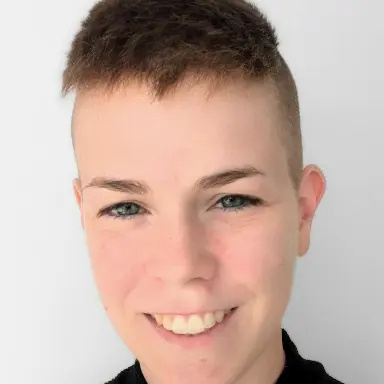
Taylor van der Deen
Registered Social Worker
Taylor van der Deen is a registered social worker and therapist in Guelph, Ontario, focusing on ADHD, anxiety and postpartum support, in person or online.
Registered Social Worker
Taylor van der Deen is a registered social worker and therapist in Guelph, Ontario, focusing on ADHD, anxiety and postpartum support, in person or online.
Registered Psychotherapist
Annie Szalkai is a registered psychotherapist and online therapist in Ontario, helping adults with anxiety and depression using CBT and DBT.
Registered Psychotherapist (Qualifying)
Joanna Czub is a registered psychotherapist (qualifying) and therapist in Mississauga. Works with ADHD, grief and family conflict, online or in person.
Registered Psychotherapist (Qualifying)
Mikyla Balicki is a qualifying registered psychotherapist and therapist in St. Catharines, Ontario, helping teens and adults with anxiety and ADHD.
Registered Psychotherapist (Qualifying)
Namita Patel is a registered psychotherapist (qualifying) and therapist in Ontario offering online sessions for anxiety, depression and grief.
MPCC-P, RTC-C
Zarifa Andani is an MPCC-P, RTC-C therapist in British Columbia who works online with teens, adults and couples on grief, trauma and PTSD.
Registered Psychotherapist (Qualifying)
Franklynn Bartol, a registered psychotherapist (qualifying) and therapist in Toronto, works with individuals and couples on relationships and trauma.
Registered Social Worker
Tanja Ivic is a registered social worker and therapist in Ontario, working online with teens and adults on trauma, anxiety and addiction using DBT and CBT.
Registered Psychotherapist and Hypnotherapist
Laura Lockhart is a registered psychotherapist and hypnotherapist in Saugeen Shores, Ontario, working with adults on anxiety, depression and trauma.
Registered Psychotherapist (Qualifying)
Serena Welsh is an Ottawa therapist and registered psychotherapist (qualifying) working with teens, adults and couples on BPD and bipolar disorder.
Therapist
Erin Rehmann is a therapist in Ontario offering online sessions for adults with anxiety, depression, grief or emotional dysregulation.
Registered Social Worker, Psychotherapist
Megan Gauthier is a registered social worker and therapist in Guelph, Ontario, helping adults and teens with trauma, anxiety and relationship issues.
Registered Psychotherapist (Qualifying)
Christy Liu is a registered psychotherapist (qualifying) and therapist in Hamilton, Ontario, working with anxiety, depression and trauma online or in person.
Registered Psychotherapist
Mackenzie Fournier, a registered psychotherapist and therapist in Ontario, works online with teens and adults on anxiety and eating disorders using CBT.
Registered Clinical Social Worker, MSW, RCSW (AB), RSW (ONT)
Treena Peters is a registered clinical social worker and therapist in Alberta who works online with teens and adults on anxiety, depression and trauma.
MSW, RSW
Catherine Sullivan is an RSW and therapist in Ottawa offering trauma therapy with CPT and EMDR for adults, including 2SLGBTQI+ and neurodivergent clients.
Registered Psychotherapist
Laura Clarke is a registered psychotherapist and therapist in Mississauga, Ontario, working with anxiety, depression and relationship issues.
Psychologist
Sneha Pitre is a psychologist and therapist in Ontario seeing teens, preteens and adults online for grief, trauma and PTSD, ADHD, or OCD.
Registered Psychotherapist
Geneviève Fontaine is a registered psychotherapist and therapist in Ottawa, working with adults on anxiety and trauma, in English or French.
Registered Clinical Social Worker/Mental Health Therapist, MSW, RCSW
Kristy Brosz is a registered clinical social worker and therapist in Alberta, offering online sessions for trauma, grief and chronic illness.
Number of therapists listed
Average years in practice
Currently accepting new clients
Therapists in Uxbridge who prioritize treating:
How therapists see their clients
Top therapy approaches used in Uxbridge:
Emotional dysregulation refers to difficulty managing the intensity, duration, or expression of emotions in ways that are appropriate to the situation. This may look like emotions that feel overwhelming or unpredictable, rapid shifts in mood, explosive anger, prolonged despair, difficulty calming down after being upset, or the use of harmful coping strategies (such as self-harm or substance use) to manage emotional pain. It is not a character flaw but a learnable skill — the nervous system's ability to regulate can be developed at any age.
Emotional dysregulation is a central feature of several conditions: Borderline Personality Disorder (where it is often most intense), PTSD and complex trauma (where the nervous system is chronically dysregulated), ADHD (where impulsivity and emotional reactivity are core features), autism spectrum conditions, mood disorders, and anxiety. It also occurs independently of a diagnosable condition — many people with significant early adverse experiences develop dysregulation without meeting criteria for any formal diagnosis.
DBT (Dialectical Behaviour Therapy) is the most specialized and evidence-based approach for emotional dysregulation — it explicitly teaches four modules of skills: mindfulness, distress tolerance, emotional regulation, and interpersonal effectiveness. ACT builds psychological flexibility — the ability to experience difficult emotions without being ruled by them. Trauma-focused therapies address the dysregulation that stems from unresolved trauma. Somatic approaches work with the body's role in emotional regulation. Many therapists integrate elements of all of these.
Children develop the capacity to regulate emotions in large part through co-regulation with attuned caregivers — being soothed when distressed, having emotions named and validated, and experiencing a predictable, safe environment. When early caregiving was inconsistent, frightening, or absent, the nervous system does not fully develop these self-regulation capacities. This is not a permanent deficit: trauma-informed therapy, skills training, and the regulatory experience of a consistent therapeutic relationship can build regulatory capacity even decades after childhood.
Building emotional regulation capacity is often longer-term work, particularly when dysregulation is rooted in early trauma or characterizes a personality pattern. A full DBT program typically runs 6 months to a year with weekly individual therapy and a weekly skills group. More focused DBT-informed skills work can be shorter. Many people notice meaningful improvement within the first few months as they begin applying concrete skills, with deeper stabilization occurring over the following year or more.