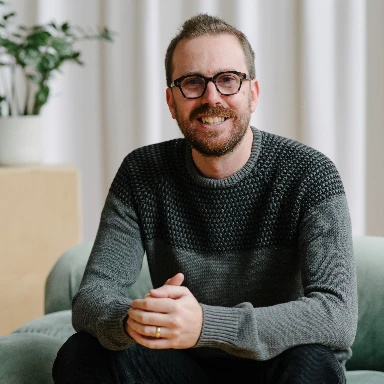
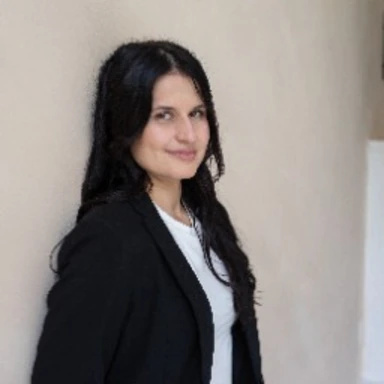
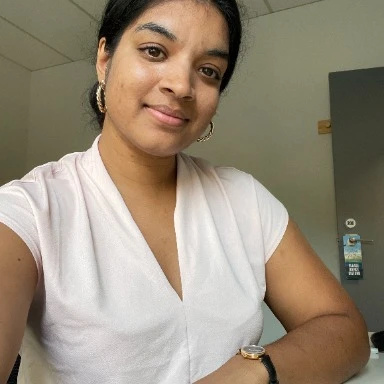
Thomas Mosher
Registered Psychotherapist
Thomas Mosher is a registered psychotherapist and therapist in Toronto, Ontario, working with adults on anxiety, depression, grief and relationship issues.
Registered Psychotherapist
Thomas Mosher is a registered psychotherapist and therapist in Toronto, Ontario, working with adults on anxiety, depression, grief and relationship issues.
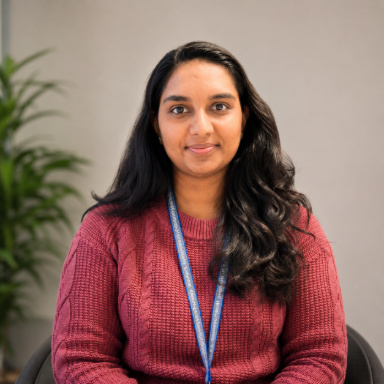
MA, RSSW, CC-PMH
Rae Jardine is a registered social service worker and therapist in Toronto offering trauma-focused work, including with 2SLGBTQI+ clients.
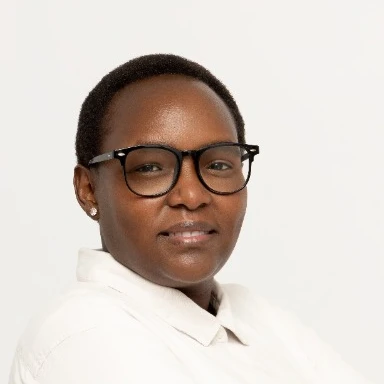
Registered Psychotherapist
Lisa O'Donovan is a registered psychotherapist and therapist in Burlington, Ontario, working with trauma, addiction and relationships, in person or online.
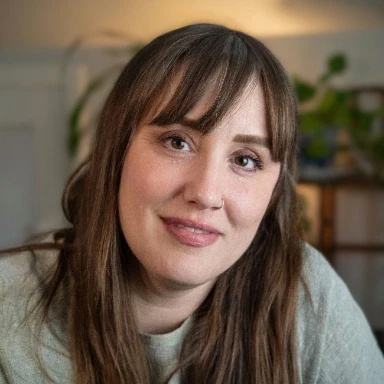
Registered Psychotherapist
Tracey Ropp is a registered psychotherapist and therapist in Ontario who works with teens and adults on ADHD and anxiety online.
Registered Psychotherapist
Sara Notenboom is a registered psychotherapist and therapist in Ontario offering online sessions for trauma, grief, anxiety and depression.
Registered Psychotherapist, Clinical Supervisor & Traumatologist
Alysha Bernstein is a registered psychotherapist and therapist in Toronto, working with anxiety, trauma and PTSD, and couples using the Gottman Method.
Canadian Indigenous Addiction Counsellor (CIAC)
Krishna Ramanathan is a Canadian Indigenous addiction counsellor and therapist in Ontario who offers online sessions for anxiety, depression and trauma.
Registered Psychotherapist (Qualifying)
Josephine Loko is a registered psychotherapist (qualifying) and therapist in Ontario offering online couples counselling, grief and anxiety support.
Registered Psychotherapist
Laura Shaw is a registered psychotherapist and online therapist in Ontario who works with neurodivergent adults on ADHD, anxiety, depression and grief.
Registered Psychotherapist
Annie Szalkai is a registered psychotherapist and online therapist in Ontario, helping adults with anxiety and depression using CBT and DBT.
Registered Psychotherapist (Qualifying)
Gillian Katsoulis is a registered psychotherapist (qualifying) and therapist in Ontario who works online with adults on anxiety and relationship issues.
Registered Psychotherapist, Canadian Certified Counsellor (CCC)
Lylla Goheen is a registered psychotherapist and therapist in Etobicoke, offering couples therapy, sex therapy and anxiety support, in person or online.
MPCC-P, RTC-C
Zarifa Andani is an MPCC-P, RTC-C therapist in British Columbia who works online with teens, adults and couples on grief, trauma and PTSD.
Registered Psychotherapist
Natascha Piciga is a registered psychotherapist and online therapist in Ontario working with teens and families on anxiety, ADHD and depression.
Registered Social Worker
Tanja Ivic is a registered social worker and therapist in Ontario, working online with teens and adults on trauma, anxiety and addiction using DBT and CBT.
Registered Psychotherapist
Chantelle Vaz is a registered psychotherapist and therapist in Mississauga, Ontario, working in person and online with anxiety, depression and ADHD.
Registered Psychotherapist (Qualifying)
Serena Welsh is an Ottawa therapist and registered psychotherapist (qualifying) working with teens, adults and couples on BPD and bipolar disorder.
Registered Social Worker, Psychotherapist
Megan Gauthier is a registered social worker and therapist in Guelph, Ontario, helping adults and teens with trauma, anxiety and relationship issues.
Registered Psychotherapist
Feel Your Way Therapy is a registered psychotherapist and therapist in Toronto for anxiety, trauma, ADHD and relationship issues, using EFT and EMDR.
Registered Psychotherapist
Shereen Ishag is a registered psychotherapist and therapist in Burlington, Ontario, who works with couples, families and teens on anxiety and trauma.
Number of therapists listed
Average years in practice
Currently accepting new clients
Therapists in Uxbridge who prioritize treating:
How therapists see their clients
Top therapy approaches used in Uxbridge:
Person-centred therapy (also called client-centred therapy) was developed by Carl Rogers and is built on the belief that people have an inherent capacity for growth and self-healing when given the right conditions. The therapist provides unconditional positive regard, empathy, and genuineness — creating a non-judgmental space in which clients can explore their experiences, feelings, and sense of self without direction or pressure. The client, not the therapist, sets the pace and focus.
Person-centred sessions are led by you rather than the therapist. There are no homework assignments, structured exercises, or predetermined topics — you bring what feels most important, and the therapist reflects, explores, and responds with empathy and care. The relationship itself is considered the primary vehicle for change. Many clients find this approach deeply accepting — it can be particularly powerful for people who have felt judged, unseen, or unheard in their lives.
Person-centred therapy is appropriate for depression, anxiety, grief, low self-esteem, identity concerns, relationship difficulties, and general distress. It is particularly well-suited for people who want to explore their inner world, who feel they lack a compassionate witness in their lives, or who have had negative experiences with more directive approaches. Research supports it as effective for mild to moderate depression and anxiety, and it is widely used as the foundation of many integrative therapeutic styles.
CBT and DBT are structured, skills-focused, and often therapist-led — sessions follow frameworks with specific techniques and between-session practice. Person-centred therapy is unstructured, exploratory, and client-led — the therapist provides conditions for growth rather than directing the content or teaching skills. Neither is universally better; they suit different people and goals. Some people thrive in the structure of CBT; others find the openness of person-centred therapy more healing. Many therapists integrate elements of both.
Person-centred therapy is often open-ended rather than time-limited — it continues as long as it is beneficial, without a predefined number of sessions. Some people work briefly to process a specific situation; others engage in longer-term therapy over years as part of ongoing personal growth. This flexibility is one of the approach's strengths — it adapts to where you are and what you need, rather than fitting your experience into a pre-set treatment arc.