Feminist Therapists in Ontario
View all cities in Ontario

Verified by Theralist
Verified and in good standing. Last verified Nov 9, 2026
Verification confirms registration only, not fit or quality of care.
How verification worksRegistered Psychotherapist (Qualifying)
Caitlin Kemmett is a registered psychotherapist (qualifying) and therapist in Ottawa, working with couples and individuals on ADHD and relationship issues.

Verified by Theralist
Verified and in good standing. Last verified Nov 11, 2026
Verification confirms registration only, not fit or quality of care.
How verification worksRegistered Psychotherapist (RP)
Myroslava Stadnyk is a registered psychotherapist (RP) and therapist in Toronto who works with adults on trauma, anxiety and relationship issues.

Verified by Theralist
Verified and in good standing. Last verified Nov 9, 2026
Verification confirms registration only, not fit or quality of care.
How verification worksRegistered Psychotherapist
Shannon Deeley is a registered psychotherapist and therapist in Toronto, Ontario, offering CBT and DBT for trauma, PTSD and ADHD in person or online.

Verified by Theralist
Verified and in good standing. Last verified Nov 11, 2026
Verification confirms registration only, not fit or quality of care.
How verification worksRegistered Psychotherapist (Qualifying)
Sophie Cohen is a registered psychotherapist (qualifying) and therapist in Ontario offering online sessions for anxiety, depression and stress.

Verified by Theralist
Verified and in good standing. Last verified Nov 7, 2026
Verification confirms registration only, not fit or quality of care.
How verification worksRegistered Psychotherapist
Marinela Trickett is a registered psychotherapist and therapist in Guelph, Ontario, who works with anxiety, addiction and trauma using CBT and DBT.

Verified by Theralist
Verified and in good standing. Last verified Nov 7, 2026
Verification confirms registration only, not fit or quality of care.
How verification worksRegistered Psychotherapist
Elizabeth Beiderman is a registered psychotherapist and online therapist in Ontario, working with adults on anxiety, depression and family conflict.

Verified by Theralist
Verified and in good standing. Last verified Nov 5, 2026
Verification confirms registration only, not fit or quality of care.
How verification worksRegistered Psychotherapist
Johanna Benoit is a registered psychotherapist and online therapist in Ontario, working with frontline workers and with pregnancy and infant loss.

Verified by Theralist
Verified and in good standing. Last verified Nov 11, 2026
Verification confirms registration only, not fit or quality of care.
How verification worksRegistered Psychotherapist
Sydney Tricand is a registered psychotherapist and therapist in Guelph, Ontario, helping adults with anxiety, trauma, and pregnancy-related concerns.

Verified by Theralist
Verified and in good standing. Last verified Nov 17, 2026
Verification confirms registration only, not fit or quality of care.
How verification worksRegistered Psychotherapist and Canadian Certified Counsellor
Kaitlyn Hillier is a registered psychotherapist and therapist in Ontario who offers online sex therapy and help with anxiety, depression and stress.

Verified by Theralist
Verified and in good standing. Last verified Nov 17, 2026
Verification confirms registration only, not fit or quality of care.
How verification worksRegistered Psychotherapist (Qualifying)
Sarah Perone is a registered psychotherapist (qualifying) and therapist in Ontario who works online with couples on infidelity and codependency.
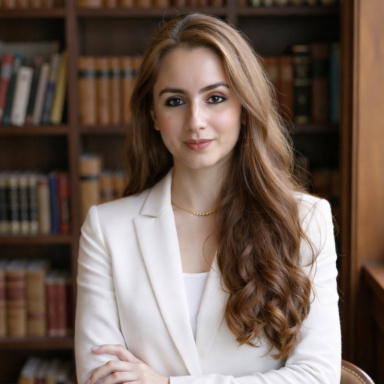
Verified by Theralist
Verified and in good standing. Last verified Nov 11, 2026
Verification confirms registration only, not fit or quality of care.
How verification worksRegistered Psychotherapist (Qualifying)
Manisha Grewal is a registered psychotherapist (qualifying) and therapist in Ontario, seeing adults for anxiety, depression and grief through online sessions.

Verified by Theralist
Verified and in good standing. Last verified Nov 7, 2026
Verification confirms registration only, not fit or quality of care.
How verification worksRegistered Social Worker
Carla Barbosa is a registered social worker and therapist in Ontario who works online with adults on ADHD, autism and anxiety, in English and Portuguese.

Verified by Theralist
Verified and in good standing. Last verified Nov 5, 2026
Verification confirms registration only, not fit or quality of care.
How verification worksRegistered Psychotherapist, Sandalwood Psychotherapy
Allison Mundle is a registered psychotherapist and therapist in Etobicoke, Ontario, working with women on anxiety, codependency and trauma.

Verified by Theralist
Verified and in good standing. Last verified Nov 5, 2026
Verification confirms registration only, not fit or quality of care.
How verification worksRegistered Psychotherapist, CCC, RD
Sophia Wolsfeld, a registered psychotherapist and therapist in Saskatchewan, offers online trauma therapy for adults facing infidelity or domestic abuse.

Verified by Theralist
Verified and in good standing. Last verified Nov 9, 2026
Verification confirms registration only, not fit or quality of care.
How verification worksRegistered Psychotherapist (Qualifying)
Tina Lefebvre is a registered psychotherapist (qualifying) and therapist in Brantford, Ontario, using EMDR for trauma with teens and adults.

Verified by Theralist
Verified and in good standing. Last verified Nov 11, 2026
Verification confirms registration only, not fit or quality of care.
How verification worksRegistered Social Worker, Psychotherapist
Rebecca Steele is a registered social worker and therapist in Ontario, working online with adults on anxiety, depression, OCD and relationship issues.

Verified by Theralist
Verified and in good standing. Last verified Nov 11, 2026
Verification confirms registration only, not fit or quality of care.
How verification worksMA, RSSW, CC-PMH
Rae Jardine is a registered social service worker and therapist in Toronto offering trauma-focused work, including with 2SLGBTQI+ clients.

Verified by Theralist
Verified and in good standing. Last verified Nov 11, 2026
Verification confirms registration only, not fit or quality of care.
How verification worksRegistered Psychotherapist
Varshini Skantharajah is a registered psychotherapist and therapist in Toronto helping adults with anxiety, depression and trauma, in person or online.

Verified by Theralist
Verified and in good standing. Last verified Nov 11, 2026
Verification confirms registration only, not fit or quality of care.
How verification worksRegistered Psychotherapist (Qualifying)
Shae Watson is a registered psychotherapist (qualifying) and therapist in Ontario who works online with ADHD, anxiety and 2SLGBTQI+ clients.

Verified by Theralist
Verified and in good standing. Last verified Nov 8, 2026
Verification confirms registration only, not fit or quality of care.
How verification worksRegistered Psychotherapist (Qualifying), Naturopath
Margot Hovey is a Montreal therapist and registered psychotherapist (qualifying) helping adults, seniors and families with anxiety and depression.
Ontario Therapists at a Glance
Number of therapists listed
Average years in practice
Currently accepting new clients
Therapists in Ontario who prioritize treating:
How therapists see their clients
Top therapy approaches used in Ontario:
Frequently Asked Questions About Feminist
What is feminist therapy?
Feminist therapy is a therapeutic approach rooted in feminist theory and social justice principles. It understands psychological wellbeing and distress in the context of social, cultural, and political power structures — particularly those related to gender, race, class, sexuality, disability, and other axes of oppression. A central premise is that the personal is political: many individual psychological struggles are not merely individual pathology but responses to unjust social conditions. Feminist therapy aims to be empowering, egalitarian, and attentive to the ways social context shapes psychological experience.
Is feminist therapy only for women?
No — feminist therapy is for anyone, regardless of gender. While it was developed with particular attention to the experiences of women, feminist therapeutic principles apply to all people whose psychological wellbeing is shaped by experiences of oppression, marginalization, or power imbalance. Men, non-binary, and gender-diverse people also benefit from therapy that takes power, privilege, and social context seriously. Feminist therapy is particularly relevant for people navigating intersecting forms of marginalization.
What are the core principles of feminist therapy?
Core principles include the egalitarian therapeutic relationship (working to minimize power imbalances between therapist and client), recognition of sociocultural context (understanding symptoms and distress as shaped by social forces, not just individual psychology), empowerment (helping clients develop agency and voice), consciousness-raising (supporting clients in recognizing how social conditions affect their experience), a commitment to social change, and attention to intersectionality — the ways in which multiple systems of oppression interact in a person's life.
What issues does feminist therapy address?
Feminist therapy addresses trauma and sexual violence, eating disorders and body image in social context, depression and anxiety (including considering the social stressors that contribute to them), relationship issues (including power dynamics), issues related to gender role expectations, experiences of discrimination and harassment, and struggles with identity, voice, and self-worth. It is integrated with many other approaches (CBT, psychodynamic, somatic) rather than being a standalone technique.
How is feminist therapy different from standard therapy?
The key differences are in the lens and relationship structure. Feminist therapists actively consider how social factors (sexism, racism, homophobia, classism) contribute to a client's distress rather than locating problems exclusively within the individual. They work to minimize power differentials in the therapeutic relationship — being more transparent about their orientation, more willing to self-disclose when appropriate, and more collaborative in setting goals. The aim is empowerment rather than adjustment to the status quo.