Motivational Interviewing Therapists in Ontario
View all cities in Ontario

Abby Tait
Registered Psychotherapist (Qualifying)
You might come to therapy feeling stuck in familiar patterns - ways of coping, thinking, or relating that once made sense but now feel hard to shift. You may be thoughtful and self-aware, yet find yourself overthinking, avoiding certain emotions, or feeling disconnected from who you are or where you’re headed. Questions about identity, values, and purpose often sit quietly underneath these experi…

Khysandra Lee
Registered Psychotherapist
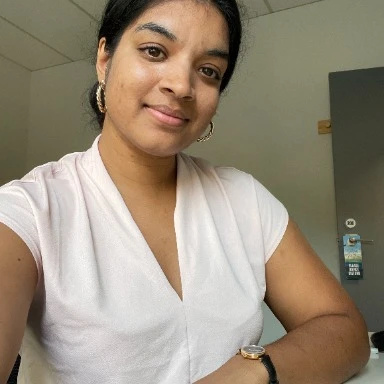
Chantelle Vaz
Registered Psychotherapist
I offer a warm and collaborative space where you can explore your experiences with curiosity and care. My approach is rooted in empathy and authenticity, supporting you in understanding your story, building self-compassion, and creating meaningful change. I draw from narrative, attachment, and emotion-focused therapies to meet your unique needs.

Caroline D Souza
Registered Psychotherapist (Qualifying)
I am a Registered Psychotherapist (Qualifying) with over six years of experience supporting individuals across hospital, school, community, and outpatient mental health settings. I believe therapy should feel like a space where you can slow down, feel genuinely heard, and explore your experiences without judgment.

Stacy Recalla
Nurse Practitioner
Now offering trauma-informed and neuro-affirming ADHD Assessments, medication management, and general psychiatric appointments and support.
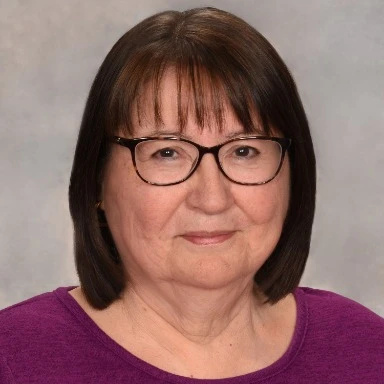
Edna Mitander
Registered Therapeutic Counsellor RTC
What is your understanding of joy and happiness? I'd like to hear your definition. Do you find it difficult to understand the suffering and challenges you face in your life? Do you still experience past trauma and feel like you're going through life on autopilot? Do you question your faith and finding yourself scrolling the internet to find answers?
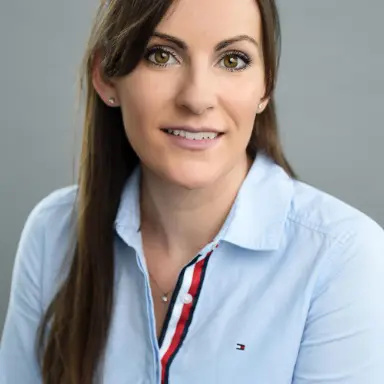
Anna Marson
Registered Psychotherapist
Anna Marson is a registered psychotherapist specializing in ADHD, trauma, neurodiversity, attachment, stress, and emotion regulation. She integrates evidence-based therapies, mindfulness, and ADHD coaching to help clients build resilience, regulate emotions, and develop practical skills for lasting, positive change. Her approach is compassionate, brain/body-informed, and strength-based.
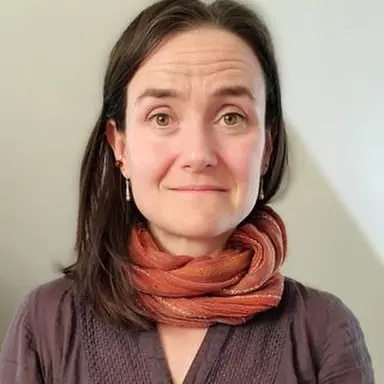
Stacy Kirkbride
Registered Psychotherapist, Recreation Therapist
I offer compassionate support for those living with chronic illness, pain, and post-injury life challenges. I specialize in helping you navigate the emotional and mental hurdles these bring. My goal is to help you reclaim your sense of self, cope with grief and loss, and rebuild your life with resilience and purpose. You're not alone--I'm here to support you every step of the way.

Annie Szalkai
Registered Psychotherapist
I work with adults from diverse backgrounds, supporting those navigating anxiety, stress, and self-esteem challenges. My approach is client-centred and integrative, drawing from CBT, ACT, EFIT, Solution-Focused Therapy, and more to meet each person’s unique needs.

Katharine De Santos
Registered Psychotherapist
Healthy Minds Psychotherapy was founded in 2018 with the mission of providing psychotherapeutic care to individuals from diverse backgrounds, fostering resilience in each person and our community as a whole.
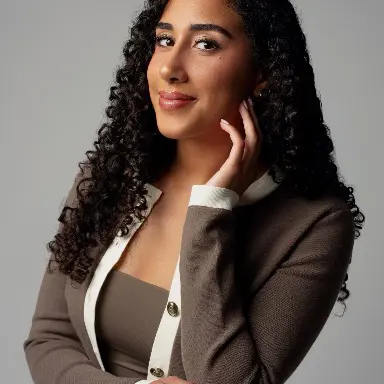
Natalie Demian
Registered Psychotherapist (Qualifying)
I’m dedicated to helping individuals navigate life’s challenges and discover inner strength. With an MS in Clinical Mental Health Counseling from Niagara University, I support those facing anxiety, grief and loss, life transitions, and relationship difficulties. I offer compassionate, collaborative in-person and virtual therapy across Ontario in a safe, supportive space for growth.

Mackenzie Fournier
Registered Psychotherapist
Hi, I’m Mackenzie! I’m a Psychotherapist who loves keeping therapy real, down-to-earth, and practical. I help people untangle patterns around anxiety, food, and self-trust using tools grounded in science. In sessions, I bring my authentic self—you can expect a mix of support, guidance, and maybe a little humour when it feels right—so we can tackle challenges together without the extra pressure.

Amanda Rennick-Hazen
Registered Psychotherapist
I enjoy using a variety of techniques such as Cognitive Behavioral Therapy, Solution Focused Strategies, Mindfulness Meditation, Trauma Informed, Compassion Focused, & Emotion Focused. Depression & Sadness Anxiety & Worry Work , Home, & School Stress Grief & Loss Divorce & Separation Unexpected life transitions, unexpected change, lost opportunities
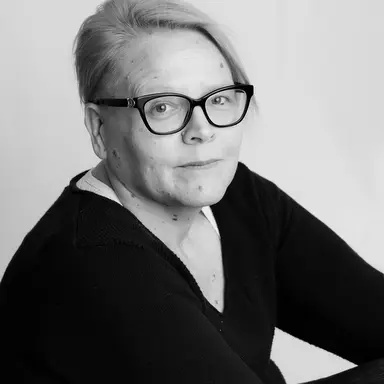
Johanna Benoit
Registered Psychotherapist
NIHB provider, specializing in CPTSD and trauma, perinatal grief and loss, PTSD, anxiety, depression and borderline personality disorder.

Haley Moore
Registered Social Worker (RSW)
Welcome to Therapy Uninterrupted, where your mental well-being is our top priority. We understand that life can be challenging, and sometimes we all need a little extra support. As a team of dedicated clinicians, we are here to help you navigate through your journey and find the strength within yourself to heal and grow.

Mala Dorai
Therapist Intern
I offer a collaborative, trauma-informed therapy space for adults, couples, and families navigating anxiety, burnout, trauma, neurodivergence (including ADHD/autism), grief, and life transitions. Grounded in neuroscience and cultural humility, my work integrates mind, body, and environment, with gentle structure, practical tools, and care for meaningful growth.
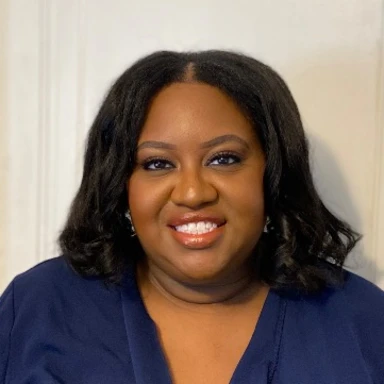
Avery Trice
Registered Social Worker
Need someone to talk to? Feeling lost or hopeless? Going through a major life change or transition? When life gives us more than we feel we can handle, it can help to have someone to lean on. Allow me to support you as you navigate through life’s challenges. My clinical specialties include working with people experiencing symptoms of anxiety, depression, and mood disorders.

Jessica DeMille
Registered Psychotherapist (Qualifying), MACP, B.Sc (Hons)
I work with individuals, couples, families, and children (10+), providing a safe, supportive space for exploration and growth. Using an integrative, client-centered approach, I help clients navigate anxiety, depression, relationships, and life transitions, fostering resilience, self-awareness, and meaningful change. Together, we explore tools and strategies to support emotional well-being.

Nikki Ward
Registered Psychotherapist
Therapist & Clinic Owner at Electric City Wellness Accepting new clients both In-Person in Peterborough & Virtually throughout Ontario! Offering FREE 20-minute consultations!
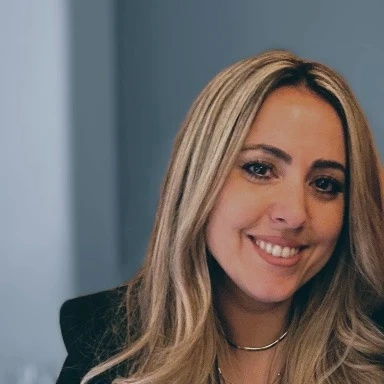
Maytal Oziel
Registered Psychotherapist (Qualifying)
Maytal Oziel is a Registered Psychotherapist (Qualifying) based in Ontario, Canada. Before transitioning to psychotherapy, she spent 20+ years working as a certified teacher, where she developed a deep appreciation for the ways we grow, learn, and navigate challenges throughout our lives.
How do therapists in Ontario compare?
Number of therapists listed
Average years in practice
Currently accepting new clients
Therapists in Ontario who prioritize treating:
How therapists see their clients
Top therapy approaches used in Ontario:
Frequently Asked Questions About Motivational Interviewing
What is motivational interviewing?
Motivational Interviewing (MI) is a collaborative, goal-oriented communication style developed by William Miller and Stephen Rollnick to strengthen a person's own motivation and commitment to change. MI is based on the premise that ambivalence about change is normal — people simultaneously want to change and want to stay the same — and that the therapist's role is to help the person explore and resolve this ambivalence in the direction of their own values and goals, rather than imposing change or providing advice. It is person-centred, evidence-based, and widely used in addiction treatment, health behaviour change, and mental health.
What are the core skills of motivational interviewing?
The core MI skills (OARS) are Open-ended questions (inviting exploration), Affirmations (recognizing strengths and efforts), Reflections (reflecting back what the person has said to deepen understanding), and Summaries (pulling together what has been discussed). The spirit of MI is as important as the skills: a collaborative, evocative, honouring approach that respects the person's autonomy. MI involves selectively attending to and amplifying "change talk" (the person's own arguments for change) while avoiding the righting reflex (the urge to argue for change or give advice).
What does motivational interviewing treat or help with?
MI has strong evidence for substance use disorders (alcohol, opioids, cannabis), smoking cessation, medication adherence, diet and exercise change, weight management, and engaging people who are ambivalent about treatment. It is used as a standalone treatment and as a pre-treatment "engagement" phase before other evidence-based therapies (CBT, community reinforcement approach). MI is also widely used in healthcare settings for health behaviour change.
What is the difference between motivational interviewing and advice-giving?
MI deliberately avoids advice-giving, confrontation, and persuasion — approaches that tend to increase resistance in ambivalent people. When a practitioner argues for change or lists the reasons someone should stop drinking (for example), the person often responds by articulating the reasons they shouldn't — and convincing themselves to stay the same. MI flips this: it evokes the person's own reasons for change and their own arguments, which are far more persuasive to them than arguments from an external authority.
How many sessions of motivational interviewing are needed?
MI has demonstrated efficacy in as few as 1–4 sessions. In many studies, brief MI interventions (even a single 45-minute session) produce significant effects on substance use and behaviour change. MI is often used as an engagement or pre-treatment phase before longer therapy rather than as a prolonged standalone treatment. The brevity makes it particularly valuable in primary care, emergency departments, and settings where extended contact is limited.