Cognitive Processing (CPT) Therapists in Ontario

View all cities in Ontario

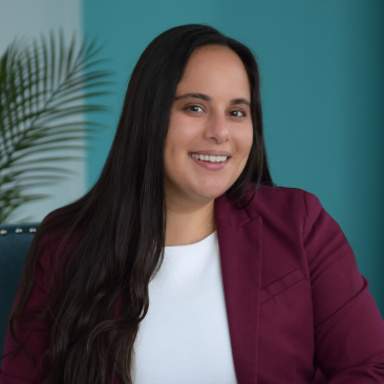
Alysha Bernstein

Registered Psychotherapist, Clinical Supervisor & Traumatologist

Accepting new clients Virtual In-Person

Alysha Bernstein is a registered psychotherapist and therapist in Toronto, working with anxiety, trauma and PTSD, and couples using the Gottman Method.

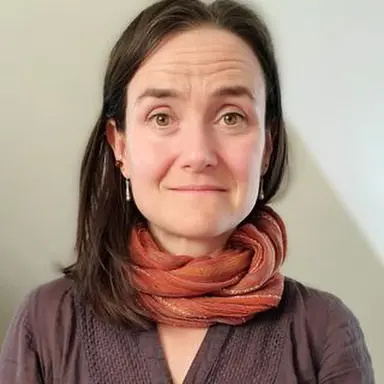
Christy Liu

Registered Psychotherapist (Qualifying)

Accepting new clients Virtual In-Person

Christy Liu is a registered psychotherapist (qualifying) and therapist in Hamilton, Ontario, working with anxiety, depression and trauma online or in person.

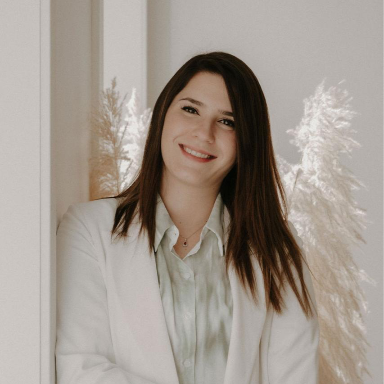
Jessica Campoli

Clinical and Health Psychologist

Accepting new clients Virtual

Jessica Campoli is a clinical and health psychologist and therapist in Ontario offering online CBT for adults with anxiety, depression and PTSD.

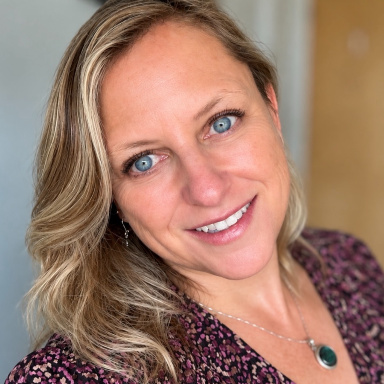
Shevanthi Collure

Registered Social Worker

Accepting new clients Virtual

Shevanthi Collure is a registered social worker and therapist in Ontario offering online trauma and PTSD care for adults, including first responders.

Catherine Sullivan

MSW, RSW

Accepting new clients Virtual In-Person

Catherine Sullivan is an RSW and therapist in Ottawa offering trauma therapy with CPT and EMDR for adults, including 2SLGBTQI+ and neurodivergent clients.

Stacy Kirkbride

Registered Psychotherapist, Recreation Therapist

Accepting new clients Virtual

Stacy Kirkbride is an Ontario registered psychotherapist and recreation therapist offering online therapy for chronic illness, chronic pain and anxiety.

Paris Moaf

Registered Psychotherapist, M Psy, MSc, RP

Accepting new clients Virtual

Paris Moaf is a registered psychotherapist and therapist in Ontario who sees couples and families online for anxiety, depression and anger.

Aseel Al-Saheb

Registered Psychotherapist

Accepting new clients Virtual

Aseel Al-Saheb is a registered psychotherapist and therapist in Ontario working online with adults and couples on anxiety and trauma in Arabic and English.

Allison Mundle

Registered Psychotherapist, Sandalwood Psychotherapy

Accepting new clients Virtual In-Person

Allison Mundle is a registered psychotherapist and therapist in Etobicoke, Ontario, working with women on anxiety, codependency and trauma.

Cristal Hines

Clinical Social Worker & Therapist

Accepting new clients Virtual

Cristal Hines is a clinical social worker and therapist in Ontario offering online help with trauma, PTSD and family therapy for teens, adults and elders.

Emily Griffin

Registered Psychotherapist (Qualifying)

Accepting new clients Virtual

Emily Griffin is a qualifying registered psychotherapist and online therapist in Ontario who helps teens and adults with anxiety and eating disorders.

Mahum Ahmed

Registered Social Worker

Accepting new clients Virtual In-Person

Mahum Ahmed is a registered social worker and therapist in Milton, Ontario, offering CBT for anxiety, depression and trauma, online or in person.

Shelley Sayle-Udall

Registered Psychotherapist (RP)

Accepting new clients Virtual

Shelley Sayle-Udall is a registered psychotherapist (RP) and therapist in Ontario offering online support for trauma, anxiety, grief and family conflict.

Mike Thibodeau

Registered Clinical Psychologist (PhD)

Accepting new clients Virtual

Mike Thibodeau is a registered clinical psychologist and therapist in Ontario who treats adults with OCD, anxiety and trauma online, in English or French.

Marinela Trickett

Registered Psychotherapist

Accepting new clients In-Person

Marinela Trickett is a registered psychotherapist and therapist in Guelph, Ontario, who works with anxiety, addiction and trauma using CBT and DBT.

Sudeshna Ghosh

Licensed Counselling Therapist

Accepting new clients Virtual

Sudeshna Ghosh is a licensed counselling therapist in Ontario offering online sessions in English, Hindi and Bengali for anxiety, grief and stress.

Keren Mann

Registered Psychotherapist

Accepting new clients Virtual In-Person

Keren Mann is a registered psychotherapist and therapist in Mississauga, Ontario, working with anxiety, depression, trauma and PTSD for adults and teens.

Ivana Stanic

Registered Social Worker

Accepting new clients Virtual In-Person

Ivana Stanic is a registered social worker and therapist in Hamilton, Ontario, offering couples therapy, EMDR and ADHD support for adults and teens.

Jessica DeMille

Registered Psychotherapist, MACP, B.Sc (Hons)

Accepting new clients Virtual In-Person

Jessica DeMille is a registered psychotherapist and therapist in Oshawa, Ontario, working with anxiety, depression, codependency and relationship issues.

Aurora Village Therapy & Wellness Centre

Registered Psychotherapist

Accepting new clients In-Person

Aurora Village Therapy & Wellness Centre is a registered psychotherapist and therapist in Aurora, Ontario, working with anxiety, depression and trauma.

Ontario Therapists at a Glance

Number of therapists listed

23

Average years in practice

7.6 Years

Currently accepting new clients

100 %

Therapists in Ontario who prioritize treating:

87% Anxiety
65% Trauma and PTSD
48% Depression
48% Relationship Issues
26% Stress
22% Family Conflict
17% Emotional Dysregulation
17% Grief

How therapists see their clients

39% In Person & Online
48% Online Only
13% In Person Only

Top therapy approaches used in Ontario:

100% Cognitive Processing (CPT)
96% Cognitive Behavioural (CBT)
91% Trauma Focused
78% Acceptance and Commitment (ACT)
57% Dialectical Behaviour (DBT)
57% Strength-Based
57% Attachment-based
52% Narrative

Frequently Asked Questions About Cognitive Processing (CPT)

What is Cognitive Processing Therapy (CPT)?

Cognitive Processing Therapy (CPT) is an evidence-based, structured psychotherapy for PTSD developed by Patricia Resick in the 1980s, originally for survivors of sexual assault and later validated across diverse trauma populations. CPT is based on the understanding that trauma can disrupt how we make sense of the world — altering beliefs about safety, trust, power and control, esteem, and intimacy in ways that maintain PTSD symptoms. The therapy focuses on identifying and challenging these trauma-related cognitions ("stuck points") to allow natural recovery to proceed.

What does CPT treat?

CPT is primarily used for PTSD resulting from a wide range of traumatic events — sexual assault, combat trauma, natural disasters, motor vehicle accidents, physical abuse, and complex developmental trauma. It is also effective for depression and other conditions that co-occur with PTSD. CPT has been widely implemented in military and veteran populations and has been adapted for diverse cultural contexts. It is recommended by major clinical guidelines including the VA/DoD and NICE as a first-line PTSD treatment.

How does CPT differ from EMDR and Prolonged Exposure?

All three are first-line evidence-based treatments for PTSD. EMDR uses bilateral stimulation to process traumatic memories directly. Prolonged Exposure works through detailed imaginal and in-vivo re-engagement with traumatic memories and situations, using habituation and extinction. CPT focuses primarily on challenging the unhelpful beliefs that have developed as a result of the trauma, with less emphasis on detailed narrative processing of the traumatic event itself. CPT may be preferable for people who are resistant to memory-focused approaches or who have multiple traumas.

What does CPT involve?

CPT is typically delivered over 12 sessions following a structured protocol. After psychoeducation about PTSD and the CPT model, clients write an impact statement describing their beliefs about why the trauma occurred and its effects on their life. Subsequent sessions involve identifying "stuck points" — problematic cognitions maintaining the PTSD — and using structured worksheets (Challenging Questions Worksheet, Patterns of Problematic Thinking) to examine and modify these beliefs. The five themes of safety, trust, power/control, esteem, and intimacy are systematically addressed.

How effective is CPT?

CPT is one of the most extensively researched PTSD treatments available. Dozens of randomized controlled trials across diverse populations and trauma types demonstrate its efficacy — approximately 50–70% of people who complete CPT no longer meet diagnostic criteria for PTSD at follow-up. Effect sizes are large and gains are durable. CPT is effective delivered individually or in group format, and in some studies a written-only version (CPT without the trauma account) has shown similar effectiveness to the full protocol.

Filters

Specialities
Modalities
Session Types
Client Focus
Client Ages
Gender
Languages
Religions
Specific Populations
Availability
Price

Individual session

Any price

Couples / Partners session

Any price

Sliding Scale

Only therapists offering reduced rates