Humanistic Therapists in Ontario
View all cities in Ontario

Verified by Theralist
Verified and in good standing. Last verified Nov 17, 2026
Verification confirms registration only, not fit or quality of care.
How verification worksRegistered Psychotherapist
Amanda Rout is a registered psychotherapist and therapist in Toronto, Ontario, helping adults with anxiety, depression, stress and self-esteem.

Verified by Theralist
Verified and in good standing. Last verified Nov 6, 2026
Verification confirms registration only, not fit or quality of care.
How verification worksRegistered Psychotherapist
Lisa O'Donovan is a registered psychotherapist and therapist in Burlington, Ontario, working with trauma, addiction and relationships, in person or online.

Verified by Theralist
Verified and in good standing. Last verified Nov 11, 2026
Verification confirms registration only, not fit or quality of care.
How verification worksRegistered Psychotherapist (Qualifying)
Carolyn Holmes is a registered psychotherapist (qualifying) and therapist in Ontario who sees teens, adults and seniors online for ADHD, anxiety and grief.

Verified by Theralist
Verified and in good standing. Last verified Nov 10, 2026
Verification confirms registration only, not fit or quality of care.
How verification worksRegistered Psychotherapist
Aida Retta is a registered psychotherapist and online therapist in Ontario who works with adults and elders on anxiety, depression, trauma and PTSD.

Verified by Theralist
Verified and in good standing. Last verified Nov 11, 2026
Verification confirms registration only, not fit or quality of care.
How verification worksRegistered Psychotherapist
Mehek Somani is a registered psychotherapist and therapist in Ontario who works online with adults from BIPOC and immigrant communities.

Registered Psychotherapist
Feel Your Way Therapy is a registered psychotherapist and therapist in Toronto for anxiety, trauma, ADHD and relationship issues, using EFT and EMDR.

Verified by Theralist
Verified and in good standing. Last verified Nov 12, 2026
Verification confirms registration only, not fit or quality of care.
How verification worksRegistered Psychotherapist (Qualifying)
Love Veronneau is a registered psychotherapist (qualifying) and therapist in Alberta offering online ADHD and autism support for teens and adults.

Verified by Theralist
Verified and in good standing. Last verified Nov 5, 2026
Verification confirms registration only, not fit or quality of care.
How verification worksRegistered Psychotherapist
Signy Fridriksson is a registered psychotherapist and therapist in Ottawa, Ontario, offering couples therapy for infidelity and grief counselling.

Verified by Theralist
Verified and in good standing. Last verified Nov 6, 2026
Verification confirms registration only, not fit or quality of care.
How verification worksRegistered Psychotherapist
Laura Atkinson is a registered psychotherapist and therapist in Oakville, Ontario, helping adults with anxiety, anger management and ADHD, in person or online.

Verified by Theralist
Verified and in good standing. Last verified Nov 7, 2026
Verification confirms registration only, not fit or quality of care.
How verification worksRegistered Psychotherapist (Qualifying)
Victoria Brassard is a registered psychotherapist (qualifying) and therapist in Kingston, Ontario, helping adults with anxiety, grief, ADHD and trauma.

Verified by Theralist
Verified and in good standing. Last verified Nov 8, 2026
Verification confirms registration only, not fit or quality of care.
How verification worksRegistered Psychotherapist (Qualifying)
Katherine Koplov is a registered psychotherapist (qualifying) and therapist in Mississauga, Ontario, for anxiety and relationships in English and Russian.

Verified by Theralist
Verified and in good standing. Last verified Nov 7, 2026
Verification confirms registration only, not fit or quality of care.
How verification worksRegistered Psychotherapist
Marinela Trickett is a registered psychotherapist and therapist in Guelph, Ontario, who works with anxiety, addiction and trauma using CBT and DBT.

Verified by Theralist
Verified and in good standing. Last verified Nov 5, 2026
Verification confirms registration only, not fit or quality of care.
How verification worksRegistered Psychotherapist
Shane Pokroy is a registered psychotherapist and therapist in Ontario who works online with adults and couples on anxiety, stress and relationship issues.

Verified by Theralist
Verified and in good standing. Last verified Nov 17, 2026
Verification confirms registration only, not fit or quality of care.
How verification worksRegistered Psychotherapist and Canadian Certified Counsellor
Kaitlyn Hillier is a registered psychotherapist and therapist in Ontario who offers online sex therapy and help with anxiety, depression and stress.
Verified by Theralist
Verified and in good standing. Last verified Nov 17, 2026
Verification confirms registration only, not fit or quality of care.
How verification worksRegistered Social Worker
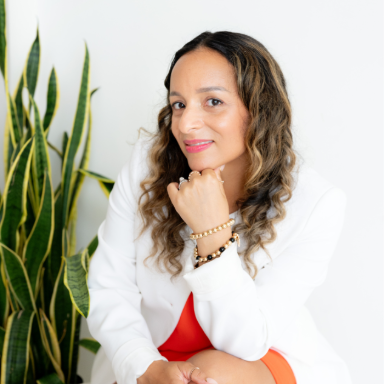
Jodi Tingling is a registered social worker and therapist in Ajax, Ontario, offering in-person career counselling to adults, including BIPOC clients.
Verified by Theralist
Verified and in good standing. Last verified Nov 11, 2026
Verification confirms registration only, not fit or quality of care.
How verification worksRegistered Psychotherapist
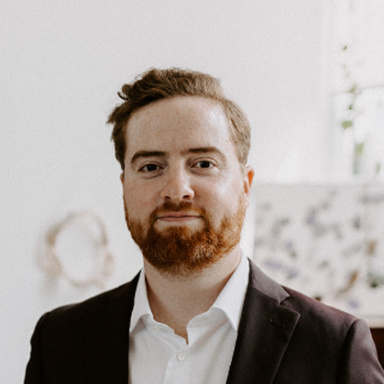
Elliott McLarnon is a registered psychotherapist and online therapist in Toronto, Ontario, working with adults on anxiety, depression, grief and stress.
Verified by Theralist
Verified and in good standing. Last verified Nov 11, 2026
Verification confirms registration only, not fit or quality of care.
How verification worksRegistered Psychotherapist (Qualifying)
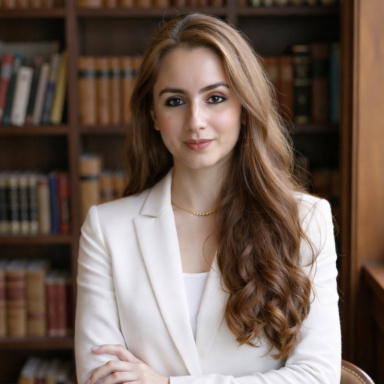
Manisha Grewal is a registered psychotherapist (qualifying) and therapist in Ontario, seeing adults for anxiety, depression and grief through online sessions.

Verified by Theralist
Verified and in good standing. Last verified Nov 5, 2026
Verification confirms registration only, not fit or quality of care.
How verification worksRegistered Psychotherapist, Sandalwood Psychotherapy
Allison Mundle is a registered psychotherapist and therapist in Etobicoke, Ontario, working with women on anxiety, codependency and trauma.

Verified by Theralist
Verified and in good standing. Last verified Nov 6, 2026
Verification confirms registration only, not fit or quality of care.
How verification worksRegistered Psychotherapist, MACP, B.Sc (Hons)
Jessica DeMille is a registered psychotherapist and therapist in Oshawa, Ontario, working with anxiety, depression, codependency and relationship issues.

Verified by Theralist
Verified and in good standing. Last verified Nov 20, 2026
Verification confirms registration only, not fit or quality of care.
How verification worksRegistered Psychotherapist (Qualifying)
Mikyla Balicki is a qualifying registered psychotherapist and therapist in St. Catharines, Ontario, helping teens and adults with anxiety and ADHD.
Ontario Therapists at a Glance
Number of therapists listed
Average years in practice
Currently accepting new clients
Therapists in Ontario who prioritize treating:
How therapists see their clients
Top therapy approaches used in Ontario:
Frequently Asked Questions About Humanistic
What is humanistic therapy?
Humanistic therapy is a family of approaches united by a belief in human dignity, the inherent drive toward growth and self-actualization, and the importance of the therapeutic relationship as the primary vehicle of change. Humanistic approaches include Person-Centred Therapy (Carl Rogers), Gestalt therapy, Existential therapy, and Emotion-Focused Therapy. They arose in the mid-20th century as a "third force" in psychology, distinct from the determinism of psychoanalysis and the mechanism of behaviourism.
What are the core principles of humanistic therapy?
Core humanistic principles include unconditional positive regard (accepting the client as a whole person without judgment), empathic understanding (deeply grasping the client's subjective experience), congruence (authenticity in the therapist), belief in the client's capacity for self-direction and growth, a focus on present experience rather than past history alone, and the view that a genuine therapeutic relationship is itself healing — not merely a vehicle for delivering techniques.
What does humanistic therapy help with?
Humanistic therapy is effective for depression, anxiety, grief, low self-esteem, identity questions, relationship difficulties, personal growth, existential concerns (meaning, purpose), and life transitions. Because humanistic approaches prioritize the therapeutic relationship above specific techniques, they are broadly applicable and particularly valuable for people who want to feel genuinely seen and understood rather than treated as a collection of symptoms or problems to be solved.
How is Person-Centred Therapy different from other humanistic approaches?
Person-Centred Therapy (PCT), developed by Carl Rogers, is the most non-directive humanistic approach — the therapist follows the client's lead, reflects their experience, and trusts the client's own inner wisdom about their direction and pace. Gestalt therapy uses more active techniques (experiments, empty chair). Existential therapy engages with philosophical questions about existence. Emotion-Focused Therapy structures the work around emotional processing. All share humanistic values but differ in how active and directive the therapist is.
Is humanistic therapy evidence-based?
Humanistic therapy has a substantial evidence base, though it is often less discussed than CBT. Carl Rogers conducted some of the earliest empirical research on psychotherapy outcomes. Meta-analyses consistently show humanistic and experiential therapies to be as effective as other approaches for depression, anxiety, and many other conditions, with particularly strong effects for conditions involving self-concept, interpersonal difficulties, and personal growth. The core conditions Rogers identified — empathy, positive regard, congruence — are among the strongest predictors of therapy outcome across all approaches.